Author: info

Using evaluation practices to propel our mandate

Our Centre recently completed an evaluation exercise that provided us with the opportunity to reflect on our founding vision and mission while measuring our progress and impact. This evaluation also helped us to critically identify wins and losses of our journey so far and pathways that we used to learn and improve our interventions. As a result, we have developed a revised theory of change, a monitoring and evaluation framework as well as delivery indicators.

Using the period starting in 2016 to March 2022, the evaluation process unearthed key findings and recommendations that may improve our relevance, coherence, effectiveness, and efficiency in the sector.

Download the report

The following are outcomes that our team will be working to implement in the coming months:

  1. Implement strategies to generate additional revenue and attract more funders to nurture long-term strategic partnerships.
  2. Invest in more staff to teach and supervise Masters and PhD students, thereby ensuring that the content of courses and the topics of postgraduate students are aligned with the Centre’s goals and objectives.
  3. Forge new networks across the whole of Africa offering scholarships to individuals from underprivileged communities academic programmes and short courses.
  4. Further integrate philanthropy into the programmes of Wits Business School, thereby influencing the leaders of business who attend the school’s courses.
  5. Develop a post-training feedback system that tracks individuals who graduate from various courses, to ascertain the impact of the skills and knowledge they have gained on philanthropy in Africa.

‘For the first time since our birth, we can now refer to an official evaluation of our work and cite some exciting successes and lessons that are backed by data. All along, we have been depending on ad-hoc information. This evaluation does not surprise us, but it gave us hard evidence that we are moving in the right direction, but the journey is not as easy as we would like it to be. For example, how do we make the Centre truly African including through the lens of its funding? How do we also embed our courses not just as standalone but as integral in the other offerings by the school? These are the challenges that the evaluation has thrown back at us. We will be working hard to address these, and many other issues raised by the evaluation’, emphasised Bhekinkosi Moyo, Director of CAPSI.

Strengthening our partnership with the Mott Foundation

In the month of March, our team and the  Executive Management of Wits Business School welcomed the Charles Stewart Mott Foundation leadership team, who were in the country as part of a regional oversight visit. This visit provided us with the platform to showcase the positive impact that has been achieved through the Foundation’s funding and technical support.

The Foundation is an early supporter and partner of our Centre’s overall mission and has provided support and resources towards our work on developing community philanthropy resources and enabling its implementation.

The visiting Mott delegation was welcomed by the Head of School and the Academic Director of Wits Business School, Profs Maurice Radebe and Logan Rangasamy respectively. The Mott Foundation team was represented by the Vice President of Programmes (Neil Hegarthy), Director for Civil Society Programmes (Shannon Lawder), Director for Education Programmes (Benita Melton), Director for Environment Programmes (Samuel Passmore), Director for Flint Area Programmes (Kimberly Roberson) and Programme Officers for Civil Society (Mamo Mohapi and Lorenzo Wakefield, based in South Africa).

Following Prof Rangasamy’s introduction where he profiled the School’s commitment to integrating modules on philanthropy and social investment in its MBA offering, Prof Radebe added that “CAPSI plays a pivotal part in the School’s community and as such we are able to infuse knowledge of philanthropy and social investment like no other institution. Thanks to this unique positioning, WBS students are equipped to be a driving force for sustainable change across the continent.”

CAPSI’s Deputy Director, Prof Jacob Mati reflected on the journey of the Centre and the milestones that have been achieved, highlighting that many students have remained with the Centre by transitioning to academic roles such as Lecturers and Postdoctoral Researchers. This has allowed CAPSI to upscale the academic and executive education offerings which are now offered through an online format for practitioners across the continent. This forms part of the Centre’s mission to train cohorts of new scholars in philanthropy.

Prof Mati emphasised that the Centre has extended its support to Masters and Doctoral students through technical skills workshops and thematic events that enhance their research journeys. All of this, amongst others, has been made possible through the support and funding received from Mott Foundation, and other donors of the Centre.

Diroshnee Govender, a student at the Centre, shared her experience with the Centre. Her journey began as one of the first students on the Postgraduate Diploma in African Philanthropy and Resource Mobilisation which she completed and is now completing her Master of Management in African Philanthropy. “My time with CAPSI has left a massive impression on me professionally and personally, giving me the confidence to speak with authority on what matters to me. This time has informed how I can make a fulfilling contribution within my community, of which I now coach young people to prepare for the world of work. I have written guides on work-readiness that have been accessed by over 5 000 youth and serve as a trustee on an educational programme. I am excited to grow on this journey and intend to register for CAPSI’s PhD programme after I complete my Masters.”

In his reflection, Neil Hegarthy remarked that the mandate of the Centre was well aligned with that of the Foundation, as there was a gap to fill in philanthropy. He extended his congratulations to the Centre and remarked on the Foundation’s pride of these milestones. In his closing remarks, CAPSI’s Director, Bhekinkosi Moyo said “Our experiences over the last couple of years have sharpened our resolve to map the changes in the landscapes of African philanthropy and social investment, while assisting the sector make informed decisions as well as tilt the narrative on African philanthropy towards a positive one.”

We are grateful to the Foundation for their continued support and their generous time spent with us.


Research Spotlight Series – 2nd edition

The Research Spotlight Series offers insights into various expressions of philanthropic forms, types and practices across the continent. We have worked with several researchers and partners in Africa to begin to write a new narrative on African Philanthropy and Social Investment. 

In this edition the speakers are Associate Professor at the University of Yaoundé I, Gérard Tchouassi, and Postdoctoral Research Fellow at the University of Johannesburg, Chengete Chakamera, will share insights into their latest reports. 

Date: Thursday, 29 June 2023

Time: 14h00 – 15h30 Johannesburg time

Format: Online via Zoom

Call for Special Issue Editor: International Review of Philanthropy and Social Investment

The Centre on African Philanthropy and Social Investment (CAPSI) is a leading research institution on African philanthropy, with a mission to advance knowledge, foster innovation, and catalyse transformative change in the sector. Through our research, education, and engagement programs, we aim to promote effective and sustainable philanthropic practices in Africa, and to build a vibrant and inclusive philanthropic ecosystem that can contribute to social and environmental justice.

The International Review of Philanthropy and Social Investment (IRPSI) is the flagship research journal and has been publishing cutting-edge research on philanthropy and social investment in Africa since 2020. The journal provides a platform for critical analysis and scholarly discourse on a wide range of issues related to African philanthropy, including governance, transparency, impact, and innovation. Over the last few years, the IRPSI has published numerous papers that have contributed to a better understanding of the complexities and nuances of philanthropy in Africa, and that have provided actionable insights for practitioners and policymakers.

Despite the progress made, however, there is still much to be explored in African philanthropy, particularly given the rapidly changing landscape of philanthropy in Africa and the need for new approaches to addressing emerging social and environmental challenges. As such, we are inviting scholars and researchers with expertise in African philanthropy to submit proposals for papers that address one or more of the following topics:

  • South-South philanthropy: Examining the dynamics and trends of philanthropy within Africa and between African countries, and the role of South-South philanthropy in promoting development and social change in Africa.
  • Power dynamics and philanthropy: Investigating the power dynamics that shape philanthropy in Africa, including issues of localization, partnership, and accountability, and identifying innovative ways to rebalance power relations.
  • Technology and philanthropy in Africa: Exploring the potential of technology to enhance the effectiveness and efficiency of philanthropy in Africa and addressing the ethical and social implications of technology adoption in philanthropy.
  • Emerging giving models in African philanthropy: Investigating the diversity of giving models and practices in African philanthropy, including impact investing, venture philanthropy, and social entrepreneurship, and their potential to drive transformative change.
  • Philanthropy and youth empowerment in Africa: Examining the role of philanthropy in promoting youth empowerment and fulfilling work opportunities, and the potential of digitization and new technologies to drive positive social and economic outcomes for young people.
  • Climate justice and philanthropy in Africa: Exploring the role of philanthropy in promoting climate action and resilience in Africa and addressing the disproportionate impacts of climate change on marginalized communities.
  • Gender and philanthropy in Africa: Examining the gendered dimensions of philanthropy in Africa, including the role of women as donors, recipients, and intermediaries, and the impact of philanthropy on gender equality and empowerment.
  • Social innovation and philanthropy in Africa: Investigating the potential of social innovation to drive transformative change in Africa, and the role of philanthropy in supporting and scaling social innovation initiatives.
  • Philanthropy and health in Africa: Examining the intersection between philanthropy and health in Africa, including the role of philanthropy in supporting healthcare systems, addressing public health challenges, and promoting health equity.
  • Philanthropy and education in Africa: Exploring the potential of philanthropy to promote equitable and quality education in Africa, and addressing the challenges of access, quality, and relevance in education.
  • Impact measurement and evaluation in African philanthropy: Examining the challenges and opportunities of measuring and evaluating the impact of philanthropic interventions in Africa, and identifying innovative approaches to impact assessment.
  • Philanthropy and the arts in Africa: Investigating the role of philanthropy in promoting and sustaining the arts in Africa, and the potential of the arts to contribute to social and cultural change.

In conclusion, IRPSI is pleased to announce a call for proposals for a special issue on various research topics and nuances on African philanthropy. We invite scholars and practitioners to submit proposals that address critical issues related to the changing landscape of philanthropy in general, south-south relations, localisation, power dynamics, technology, new and emerging giving models, patterns emerging from the pandemic, historical perspectives, and youth empowerment. Other relevant and cutting-edge topics are also welcome.

The special issue editor(s) must commit to producing the research in collaboration with the authors by December 2023, and to adhering to the highest standards of academic rigour and ethical conduct. All submissions will be subject to a rigorous peer review process, and the special issue will be published in the IRPSI in 2024. The special issue editor will work closely with the authors to ensure the production of high-quality papers that will significantly contribute to the advancement of knowledge and practice in African philanthropy. We firmly believe that this special issue will make a substantial contribution to the field, and we eagerly await your proposals to help shape this exciting initiative.

Interested authors should submit a brief proposal by Friday, 30 June, 2023, accompanied by a brief bio and a list of relevant publications to xolani.dlamini@wits.ac.za. Selected proposals will be notified by Monday, 31 July, 2023, and full papers will be due by Thursday, 30 November, 2023. We are confident that this special issue will make a significant contribution to the advancement of knowledge and practice in African philanthropy, and we look forward to receiving your proposals to help shape this exciting initiative.

CAPSI and Mastercard Foundation Partner on Project Geared Towards Youth Employment Research in Africa

The project will be carried out in cooperation with an African-led network of academic institutions and will include research, knowledge dissemination, training, policy creation, and advocacy.

Johannesburg, 13 April 2023 – The Mastercard Foundation has provided support to the Centre on African Philanthropy and Social Investment (CAPSI) at the Wits Business School to enable vital research on knowledge and opportunities emanating from the Foundation’s Young Africa Works Strategy.

The Foundation’s Young Africa Works strategy, which aims to enable 30 million young Africans to secure dignified and fulfilling work by 2030, mirrors CAPSI’s mission of creating new possibilities for Africans by training new cohorts of academics and researchers in the non-profit sector and changing the African narrative with emphasis on self reliance and African solutions.

Additionally, the non-profit sector’s research in employment creation for young people in Africa will produce significant metrics and data that the private sector, decision-makers, and society at large will require to better the lives of young people. The five-year support of $7.8 million (about R140 milllion) will be undertaken in collaboration with an autonomous African-led network of researchers and institutions in selected African countries and will concentrate on the contributions of the non-profit sector to African economies, with a specific focus on enabling young people in Africa to secure dignified and fulfilling work.

There are three objectives that will be fulfilled through this project:

  1. Produce data and knowledge that details the extent to which the non-profit sector in 17 African countries is able to create decent, dignified and fulfilling employment opportunities for young people between the ages of 15 and 35.
  2. Train 20 doctoral students over a period of five years from across African universities in the disciplines of social entrepreneurship, job creation, technology inclusion, financial inclusion, enterprise development, and youth studies. Such training is expected to propel further research and development of impactful youth employment in Africa.
  3. Enable sustainable and reliable knowledge generation that will benefit all parties through the provision of measurement frameworks, data for decision-making and a digital hub that is functional for the purposes of matching the needs and opportunities of young Africans with dignified employment.

“The role played by the non-profit sector is generally underestimated in many economies. Several anecdotes exist in every country about how the non-profit sector keeps society cohesive and glued together through social and economic functions. Few studies have been conducted in this regard, such as the Johns Hopkins project on the size and scope of the non-profit sector in only about three African countries. This support from the Mastercard Foundation provides us a once off opportunity to test the hypothesis that the non-profit sector is a major force to be reckoned with in African societies,” says Professor Bhekinkosi Moyo, Director of CAPSI.

The research will be undertaken in the following 17 African countries:

  1. Burkina Faso
  2. Cote d’Ivoire
  3. Democratic Republic of the Congo
  4. Egypt
  5. Ethiopia
  6. Ghana
  7. Kenya
  8. Morocco
  9. Mozambique
  10. Nigeria
  11. Rwanda
  12. South Africa
  13. Senegal
  14. Tanzania
  15. Uganda
  16. Zambia
  17. Zimbabwe

About the Centre on African Philanthropy and Social Investment (CAPSI)

Founded in 2017 and situated within Wits Business School, CAPSI aspires to nurture a new generation of African experts, researchers and leaders in African Philanthropy, Social Investment and related disciplines. The Centre serves as a source of knowledge and learning, a platform for partnerships, and a hub for community engagement for participating organisations and institutions across and for the benefit of Africa. CAPSI’s portfolio of offerings include postgraduate academic programmes, short courses, masterclasses, post-doctoral fellowships, publications and partner-collaborated research and development projects in the fields of social investment and philanthropy.

For more information on CAPSI, please visit: www.capsi.co.za.

About the Mastercard Foundation

The Mastercard Foundation works with visionary organizations to enable young people in Africa and in Indigenous communities in Canada to access dignified and fulfilling work. It is one of the largest private foundations in the world with a mission to advance learning and promote financial inclusion to create an inclusive and equitable world. It was established in 2006 through the generosity of Mastercard when it became a public company. The Foundation is an independent organization and its policies, operations, and program decisions are determined by its own Board of Directors and senior leadership team. It is a registered Canadian charity with offices in Toronto, Kigali, Accra and Nairobi, Kampala, Lagos, Dakar, and Addis Ababa. 

For more information on the Foundation, please visit: www.mastercardfdn.org.

Community check-in-mailer

As a research and education-focused centre, we believe in the power of a gendered narrative towards philanthropy in Africa. As we join the global community in commemorating International Women’s Month, we invite you to support events and initiatives that offer opportunities to deepen your professional and personal experience of the role of women in philanthropy.

Yours in giving,  
CAPSI Communications 

Registrations for the September 2023 intake of our Masters of Management In the field African Philanthropy are officially open. 

Our programme is ideal for professionals within the development sector, who want to further their career in either the business or social sectors. The delivery of the course is fully online, thereby making it accessible to people across the continent.

We welcome applications from students registered at African universities as well as African students registered at non-African universities, whose topic of study is on matters related to Africa. Full details of the sectors, themes of study and application conditions are available here.
 

Application closing date: Wednesday, 31 May 2023   
Applications enquiries:mmabatho.leeuw@wits.ac.za 
General enquiries:  thandi.makhubele@wits.ac.za 


Click here to apply

We have received numerous enquiries on the Masters in African Philanthropy programme. This is a one-year, full-time academic programme comprising of four core courses, a choice of three electives and a Research Report. It is ideal for professionals within the development sector who want to further their careers in either the business or social sectors.

Should you or a colleague be considering registering for this programme; we invite you to join us for a virtual information session where Programme Director Prof Jacob Mati and programme team members will share finer details of the course and respond to any questions that you may have. 

Pogramme brochure: http://bit.ly/3x9ZlBW
Date: Wednesday, 15 March 2023 
Time: 17h00 Johannesburg time 


Register for the information session

The Conversations on African Philanthropy podcast features leaders and game-changers whose work has enabled the development of the sector.

Our vision for this podcast is to have intergenerational conversations on African philanthropy with individuals who have walked the journey. 

Subscribe to our streaming platforms: 

YouTube – http://bit.ly/3ygJnXu  
Spotify – https://spoti.fi/3Jewaon  
Apple Podcasts – https://apple.co/3ydkXxY 
Amazon Music – https://amzn.to/41JyDhX 


Click to watch the latest episodes


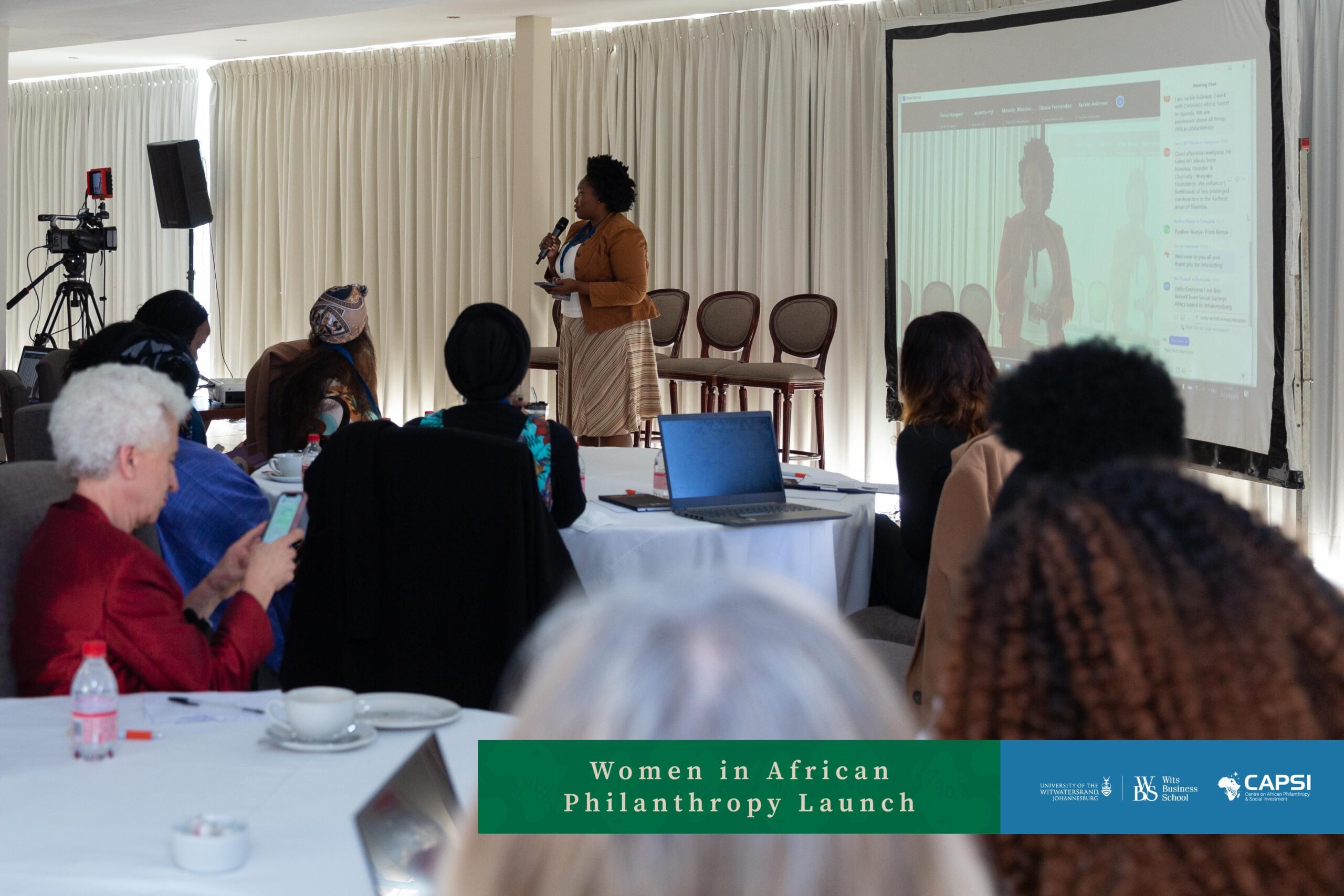
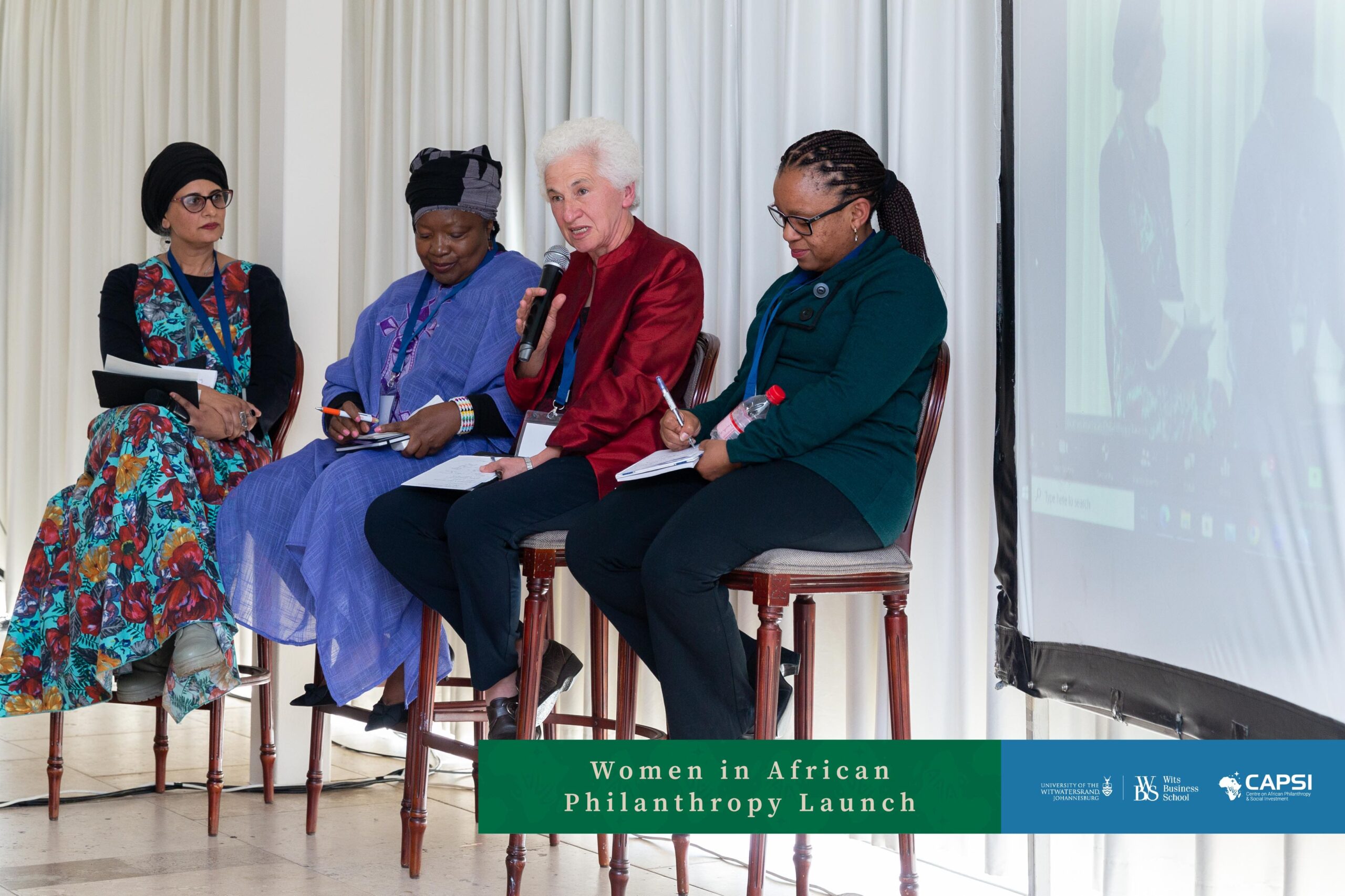
One of the frequently referenced narratives in African philanthropy is the role that women have played, particularly in how their efforts have been integral to the development of communities across the continent.

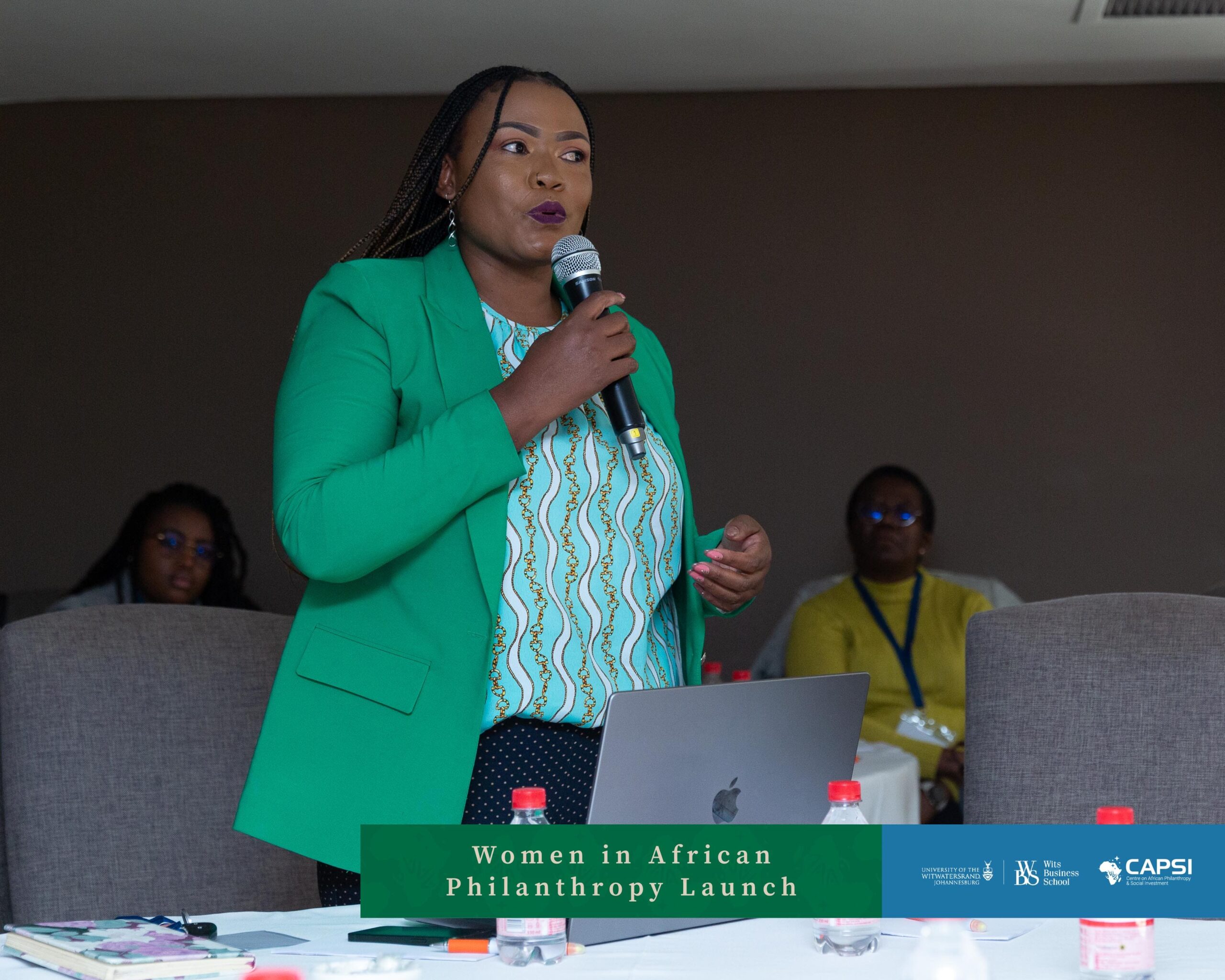
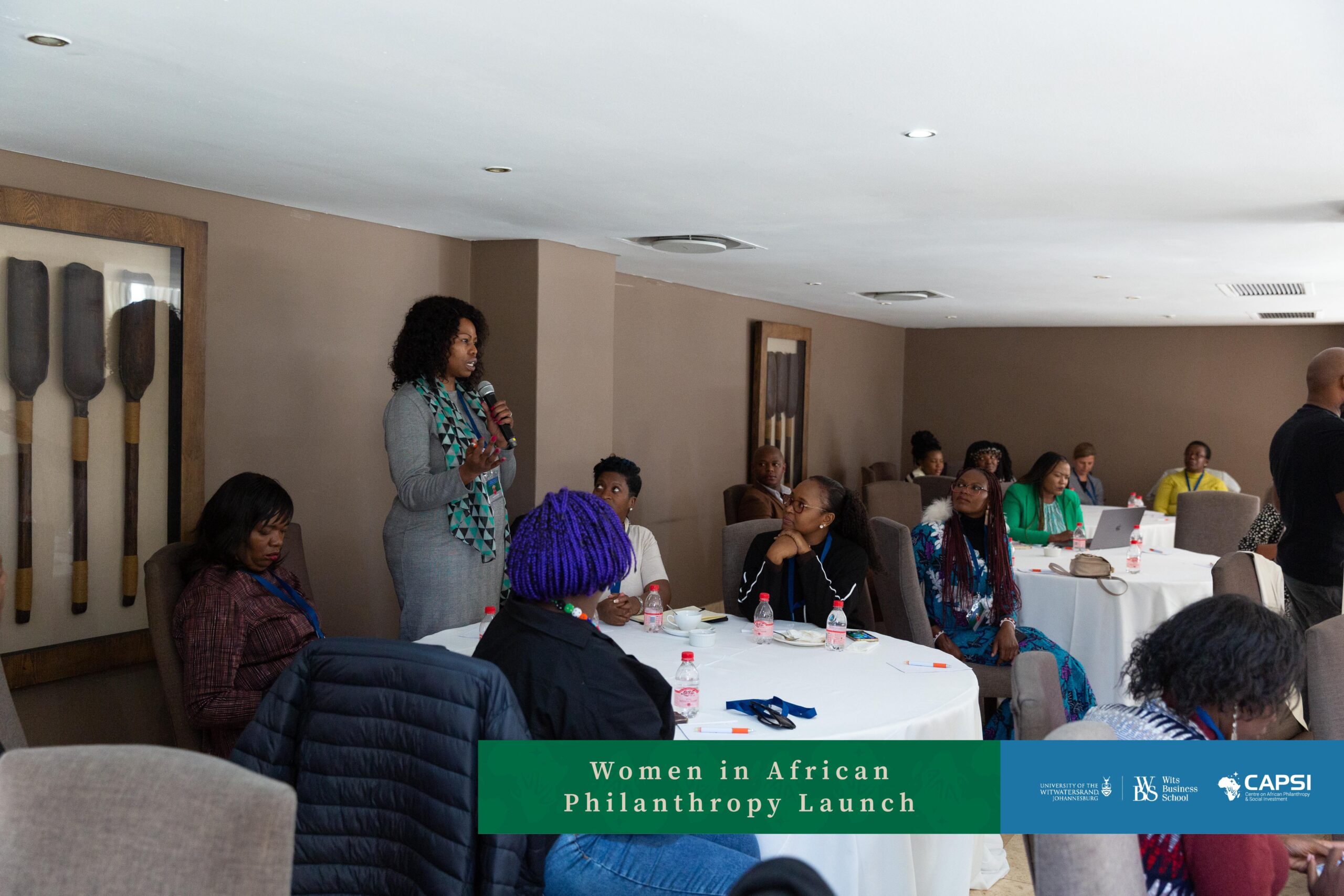
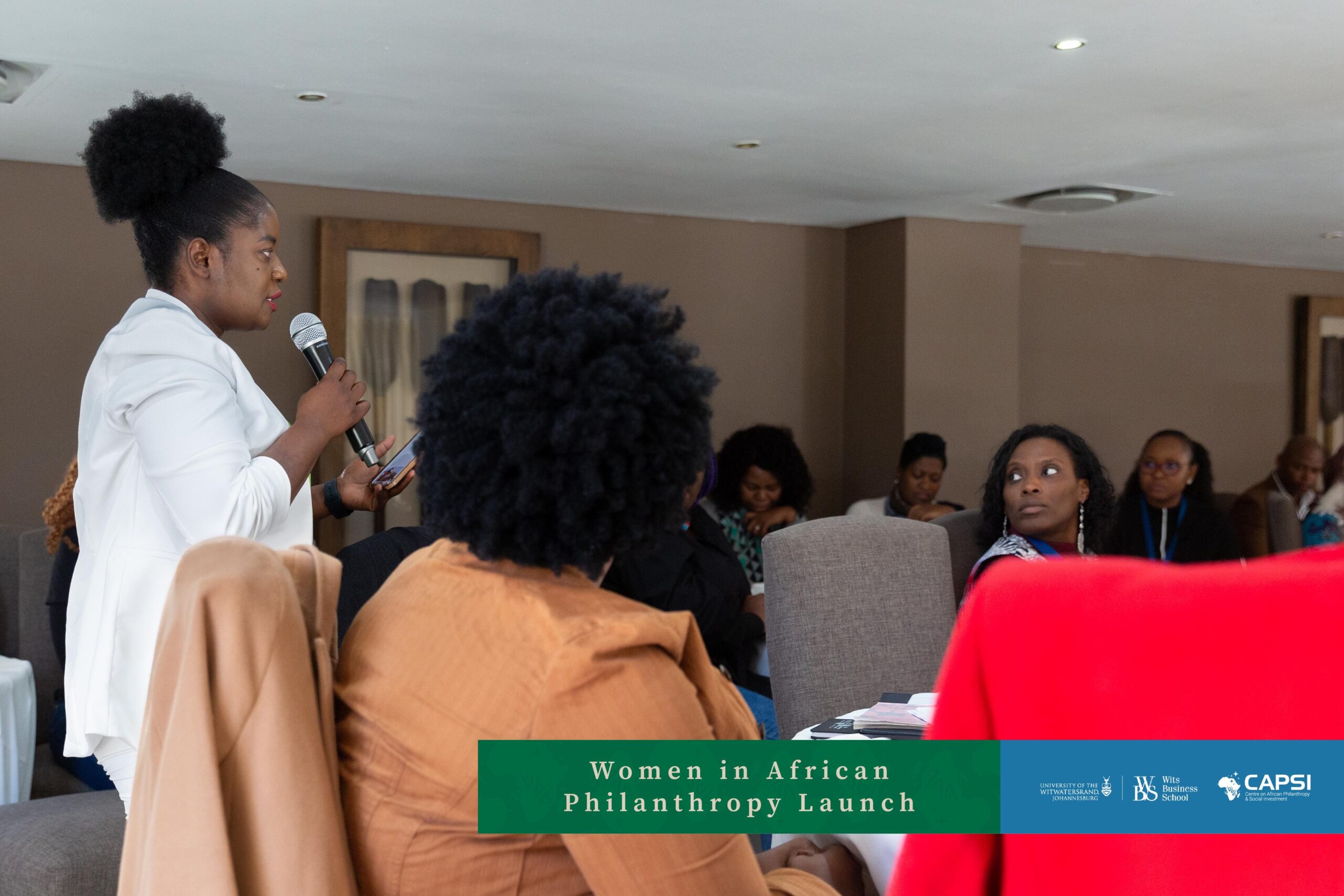
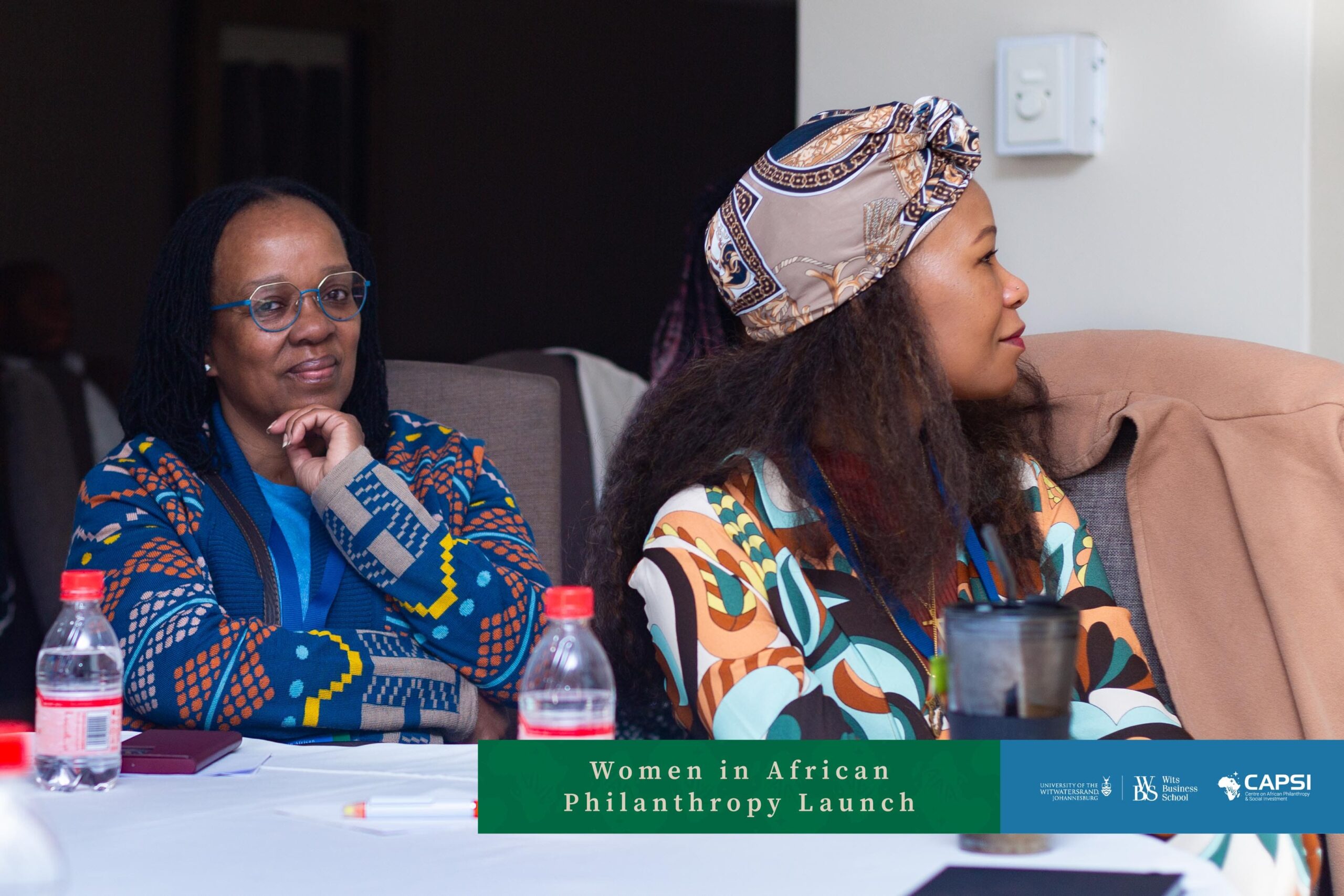
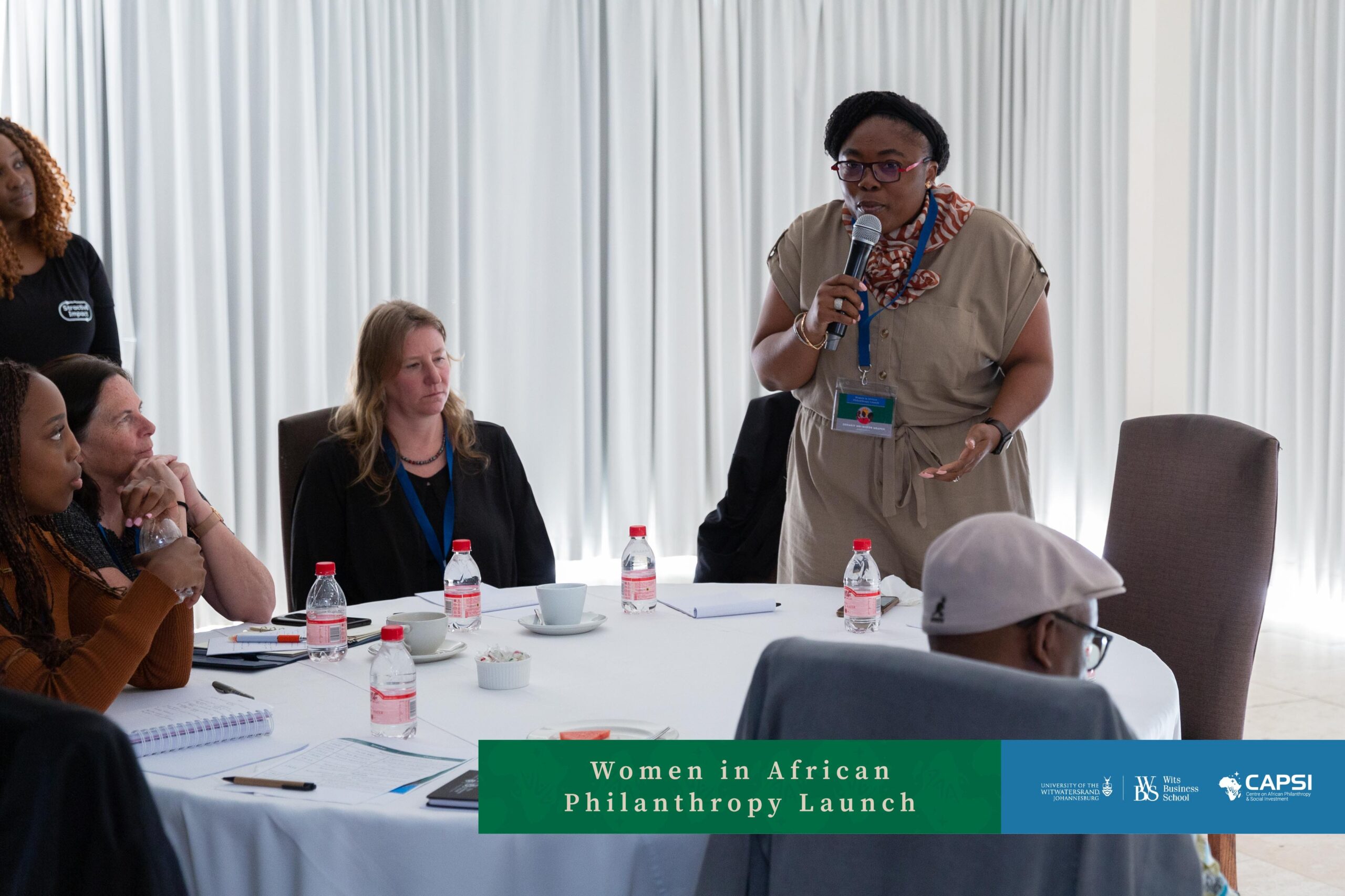
In order to meet the objectives of widening access to existing knowledge, supporting research, and enabling networks of women in philanthropy, CAPSI has launched the Women in African Philanthropy Initiative

What is equally exciting is that the launch of this initiative coincides with International Women’s Month; an exciting opportunity to reach hearts and minds in this time of global attention. We would like to invite you to lend your voice by sharing your favorite quote from a woman in African philanthropy, or by sharing your personal journey in philanthropy with us. The submissions gathered will form part of a growing body of work that his initiative will host and make accessible for knowledge development.


Send your story

An offering from our Publications portfolio, the Research Report Spotlight Series is a platform for researchers and partners and the broader CAPSI community in Africa who write on new narratives of African philanthropy and social investment to discuss their findings in their field of specialisation with a community of practitioners and academics who have an engaged interest in the topic. 

This platform will offer a glimpse into the expressions of philanthropic forms, types, and practices across the continent, with research and findings that will cover topics such as High Net-Worth Individuals, Social Investment and Philanthropic Foundations, as well as philanthropic activity in selected countries. This is the beginning of the journey towards further interpreting the philanthropic landscape in Africa, and we would love you to join us.
 
Date: Thursday, 30 February 2023 
Time: 14h00 Johannesburg time


Click here to register to attend the upcoming installment


The Cambridge Centre for Strategic Philanthropy hosted a conversation with African philanthropist Tony Elumemi where he reflected on how the Tony Elumelu Foundation is transforming philanthropy and entrepreneurship across the African continent.


Watch the recording

Ese Emerhi from Alliance Magazine features Sarah Mukasa, the Deputy Director of Open Society Africa about the strengths and gaps in Africa’s philanthropic infrastructure, defining African philanthropy, and why trust matters when it comes to philanthropy.


Read the article

Year End Newsletter: December 2022

With the year well and truly over, we’re proud to have walked the journey toward the progress of philanthropy and social investment in Africa with our incredible partners and collaborators. This year-end edition newsletter has been written in reflection of the work that has been completed and the positive outlook that we will enter the new year with. 

On behalf of the staff of the Centre, we wish each individual and organisation in our community a peaceful festive season and a prosperous new year.

CAPSI Communications

Note: The Centre has closed for the year and will reopen on Monday, 9 January 2023.

After what has been a productive year, we at CAPSI are gearing up for 2023 with some valuable insights, experiences, and connections that we made. With 2022 declared as our ‘Year of Publications’, the teams responsible for each of our Portfolios have shown diligence in fulfilling the goals that were set at the beginning of the year.


Read the full letter from the director

We were delighted to welcome new cohorts to our Post Graduate, Masters and PhD programmes in 2022. With new accreditations added to our academic programmes, we look forward to seeing more people further their studies in the growing field.


Read the full reflection

With the many dynamic ways in which new knowledge can be consumed, our Customised Masterclasses remain an exciting offering to our Executive Education suite. 2023 promises to bring more innovative ways which practitioners can strengthen their expertise.


Read the full reflection

Efficiency, Value and Relevance – these are the words we leaned on when ensuring that the Centre’s Operations deliver support to our portfolios, partners and stakeholders over the past 12 months. We look forward to bringing more of the same in the new year.


Read the full reflection

The challenge of delivering on the mandate of “Year of Publication” was exciting and insightful. The network of continental researchers rose to the occasion and produced a rich body of knowledge that has been published for wide access to the global community. 


Read the full reflection

This was certainly a year of firsts that saw us hosting the inaugural Academic Conference and inaugural Research Associate workshops, both enabling the vision of developing robust and peer-reviewed research for the benefit of the philanthropic ecosystem.


Read the full reflection

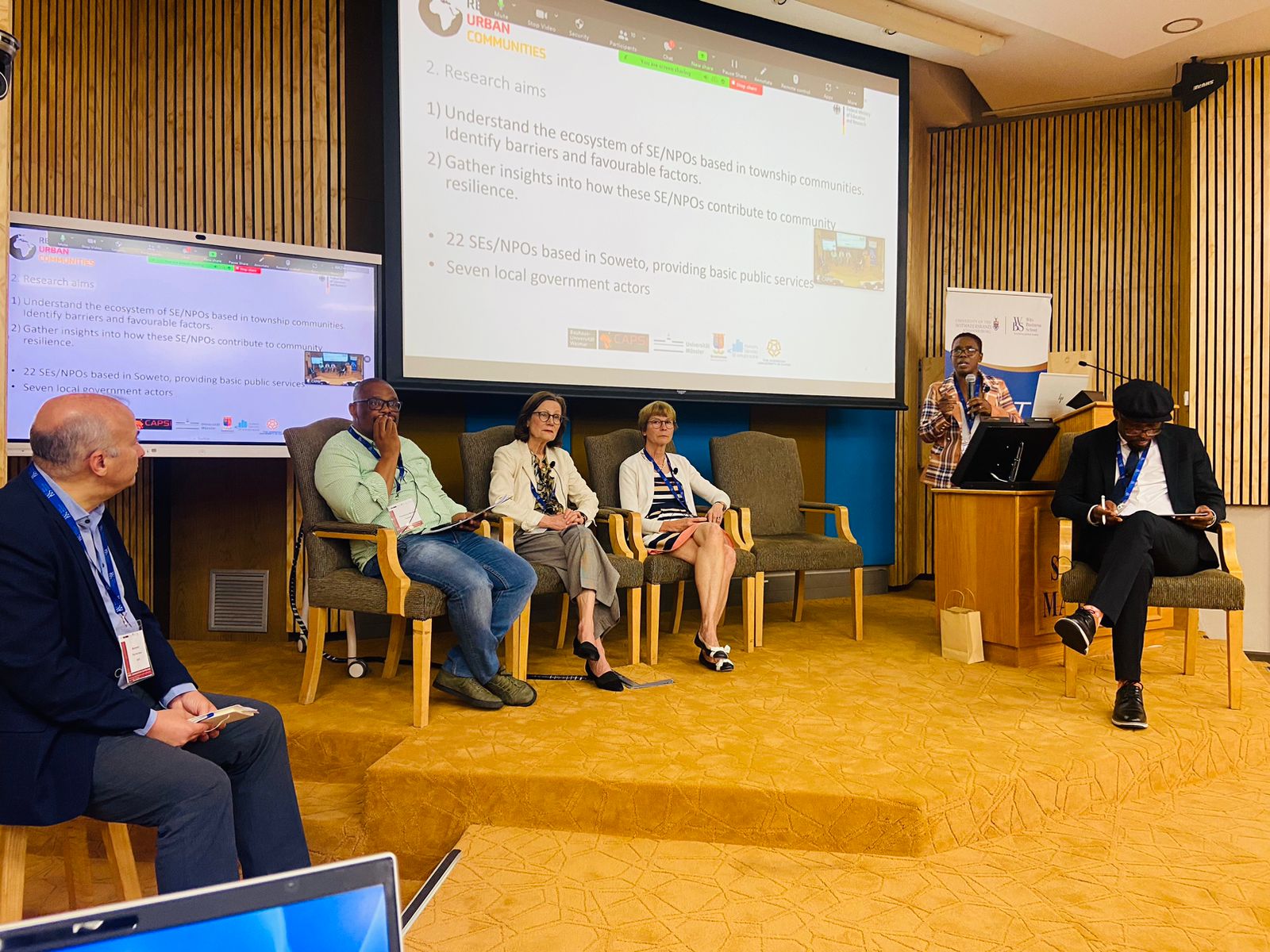
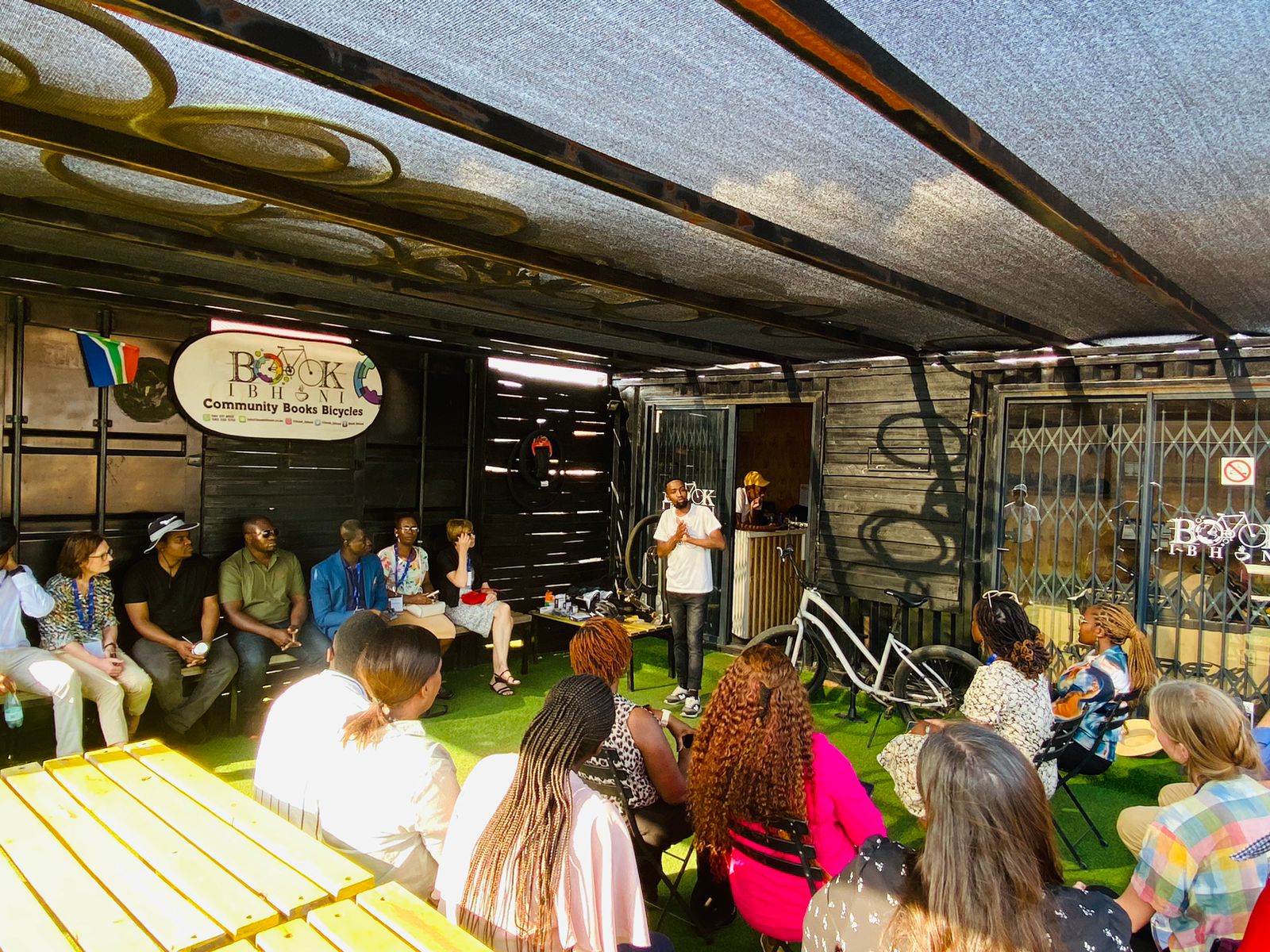
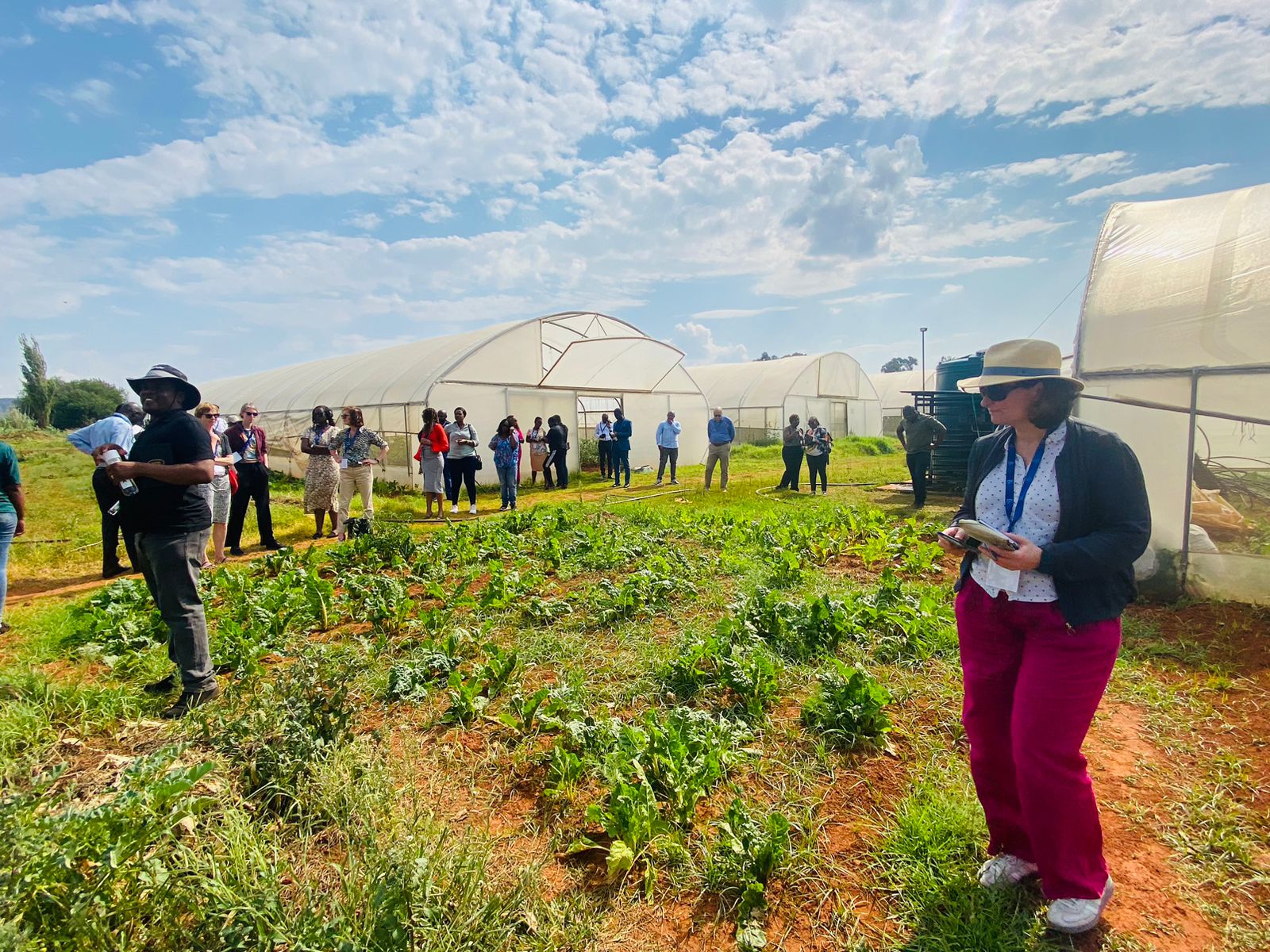
Launched in 2021, the Resilient Urban Communities project made steady headway toward its mandate to undertake research and knowledge development that will present viable opportunities for sustainable communities, and quality education across Africa.


Read the full reflection

The vision of a continent that values and practices collective giving toward the greater good is becoming a reality. Through storytelling, thematic dialogues and technology-based innovation, Kisima has grown in great strides in preparation for all that 2023 has in store.


Read the full reflection

Contextually relevant and progressive, this year’s iteration of the African Philanthropy Conference saw practitioners, donors and academics gather to engage in robust dialogues on what the new normal looks like for African philanthropy and social investment.


Read the full reflection

Following weeks of planning and consultation, this year saw the launch of Conversations on African Philanthropy Podcast – a platform where we interact with individuals whose work and lives have been of immense impact to philanthropy and social investment across Africa.


Read the full reflection

2022 in Pictures and Videos

What better way to support the reflection reports shared in this newsletter than with a gallery that takes back to the moments that remain in our memories? Enjoy this celebration of what has been a productive year.


Read the full reflection

Community Check-In

With the business of philanthropy and social investment well underway, we’re looking forward to what promises to be a productive and groundbreaking year. In this edition of the Community Check-in update, we share activities and dates that will keep you connected with ours and the work of our partners.  

 
Yours in giving, 
CAPSI Communications 

Registrations for the September 2023 intake of our Masters of Management In the field African Philanthropy are officially open. 

Our programme is ideal for professionals within the development sector, who want to further their career in either the business or social sectors. The delivery of the course is fully online, thereby making it accessible to people across the continent.


Click here to learn more and register for the programme

The rise in short-form and dynamic learning has presented exciting opportunities for knowledge to be repackaged into essential lessons that can be learned and rapidly applied.

Our Executive Education portfolio responded with the introduction of our Masterclass series in 2020; this is a fully online 2-day series of classes lectured by subject matter experts.

We invite you to contact us and explore how our customised masterclasses can benefit your organisation.


Click here to contact our Executive Education portfolio

An offering from our Publications portfolio, the Research Report Spotlight Series is a platform for researchers and partners and the broader CAPSI community in Africa who write on new narratives of African philanthropy and social investment to discuss their findings in their field of specialisation with a community of practitioners and academics who have an engaged interest in the topic.  

This platform will offer a glimpse into the expressions of philanthropic forms, types, and practices across the continent, with research and findings that will cover topics such as High Net-Worth Individuals, Social Investment and Philanthropic Foundations as well as philanthropic activity in selected countries, to name a few. This is the beginning of the journey towards further interpreting the philanthropic landscape in Africa, one we wish for you to join us on. 

Date: Tuesday, 28 February 2023  
Time: 14h00 Johannesburg time


Click here to register to attend the upcoming installment

One of the highlights of this year will be the publishing of our new series of case studies that have been developed in partnership with Wits Business School Case Centre. This is a vital part of our research and insights offerings to the continent’s philanthropy and social investment community, with case studies providing detailed analysis into experiences and outcomes of different organisations.


Click to acces our case study library

The AROCSA Fellowship, also known as the Innocent Chukwuma African NGO Leadership Transition Fellowship Programme, will host its annual opening ceremony on Monday, 17th of April 2023 in Johannesburg, South Africa.

This initiative was founded in response to the urgent need for a leadership transition programme to assist sector leaders – specifically civil society and non-governmental organisation leaders – who are looking to grow toward roles that enable the creation of supportive infrastructure.  

CAPSI is proud to serve as the host institution for the one-month in-person portion of the programme. This is followed by a two-month remote and facilitated career transition planning and chapter writing programme where fellows are also provided with a platform to interact with faculty from Wits Business School, who will provide them guidance on book chapters, documentation of leadership experience, and networking opportunities. 


Join Cambridge Centre for Strategic Philanthropy, within the University of Cambridge Judge Business School, for a series of digital conversations conducted as a succession of intimate interviews discussing key philanthropic and development initiatives. The upcoming installment will host a conversation with Tony Elumemi who will reflect on how the Tony Elumelu Foundation is transforming philanthropy and entrepreneurship across the African continent

Date: Monday, 20 February 2023 
Time: 12h00 London time
Register: http://bit.ly/40J5O4n

Join Trialogue, in partnership with Barloworld, for a webinar on the topic of ‘Good Giving Practices’. This discussion will explore funding practices, including how partners are selected, the type and duration of funding, reporting, alternative support and other requirements. Panelists include representatives from Barloworld, and Allan & Gill Gray Philanthropies.

Date: Thursday, 23 February 2023 
Time: 09h30 Johannesburg time
Register: http://bit.ly/3DPIcl1  

Call for Research Abstracts: Philanthropy at an Inflection Point

Call for Abstracts

We invite researchers and academics to submit abstracts and research papers to be considered for the 2nd African Philanthropy Academic Conference which will take place in Dakar, Senegal on Monday 31 July to Tuesday 1 August 2023.

Context

Global events such as the war in Ukraine, slowing economies, the persistence of COVID-19, and rising nationalism continue to challenge the world order. Consequently, sectors like philanthropy have been forced to undergo a transformation challenging the established order of the ecosystem. These shifts, coupled with the myriad of issues African philanthropy is currently grappling with such as localisation, developing a south-south approach, and inward-looking (harnessing the local capacity) for resource mobilisation need a dedicated platform for deliberation. The events occasioned by the COVID-19 pandemic witnessed African philanthropy responding in unprecedented ways. Technology and innovative ways of giving became ubiquitous almost overnight. However, clear disparities were also observed as some philanthropic institutions flourished while others were totally decimated and may not resurface.

Other urgent issues the sector is facing head-on include climate change, climate advocacy, climate change adaption vs climate change mitigation, governance, technology, and many other new fronts. These issues have the potential to refocus and pivot how philanthropy is practiced, lived, and experienced especially in Africa. They are simply the inflection points that will continue to shape the future of the ecosystem in Africa.

At this inflection moment, evidence is suggesting that philanthropy is gradually moving away from a relationship-driven to a value-driven system – there is a realisation for sustainability. This is changing the logic of the philanthropic field and has the potential to create an increasingly efficient social capital over time. Given the magnitude of social and environmental needs, a new way of thinking must be devised for the sector to truly realise its potential and impact. Although there has hardly been a broad consensus on efficiency and effectiveness, systematic shifts and systems thinking are likely to enable philanthropies to achieve greater impact at this inflection point.

The 2nd African Philanthropy Academic Conference will be charged with the responsibility of unpacking some of these questions and potentially devising the future for philanthropy, especially in Africa. This question and the subthemes will be used to guide and reflect on the inflection points depicted.

Thematic areas

We are pleased to invite scholars and practitioners to submit abstracts for the 2nd African Philanthropy Academic Conference. This conference aims to explore the current inflection points in philanthropy and the urgent issues that the sector is facing. We are seeking abstracts that address one or more of the following thematic areas:

  1. Philanthropy and Health
  2. Philanthropy and Climate Change
  3. Philanthropy and Emerging Technologies
  4. Emerging trends in Philanthropy
  5. Social Media and philanthropy
  6. Philanthropy, Social Investment, and the Sustainable Development Goals
  7. Philanthropy and Disaster Management
  8. Philanthropy and Systems Change
  9. Women, Youth, and Philanthropy
  10. Decolonising Philanthropy
  11. Religion and Philanthropy
  12. Stakeholder maximisation
  13. Public Policy and Philanthropy

Additional context of each thematic area is available below. We welcome abstracts from scholars, practitioners, and other stakeholders working in philanthropy in Africa. Submissions should be no longer than 300 words and should clearly outline the objectives, methods, and expected outcomes of the proposed paper.

Submission information

  • Applicants should submit an abstract of 300 words in a Word document format
  • We welcome abstracts in English and other African languages
  • Submitted Abstracts must contain the following
    1. Full title
    2. Names of all the authors
    3. Affiliations of each author
    4. Abstract of the paper
    5. 3 – 6 keywords of the paper
    6. Acknowledgements or disclosure notices (if any)
  • A maximum of two submissions will be considered per author
  • Only the abstracts will be published in the conference proceedings

Important information

  • A registration of USD$300 is to be paid on acceptance of the abstracts. This will give the author access to attend the 4th African Philanthropy Conference.
  • Visa, travel, and accommodation is for the cost of the author of the accepted abstract

For additional information

Wycliffe Nduga Ouma | Email: wycliffe.ouma@wits.ac.za

Context of Thematic Areas


  1. Philanthropy and Health: This theme explores the intersection of philanthropy and health. It includes topics such as the role of philanthropy in improving access to healthcare, blood donation as a form of giving, supporting research and development, and addressing health inequities.
  2. Philanthropy and Climate Change: This theme focuses on the role of philanthropy in addressing climate change. It includes topics such as the support of climate change mitigation and adaptation efforts, the use of innovative technologies, and the development of sustainable practices.
  3. Philanthropy and Emerging Technologies: This theme explores the intersection of philanthropy and emerging technologies, such as blockchain, artificial intelligence, and machine learning. It includes topics such as the potential impact of these technologies on philanthropy, the ethical considerations, and the role of philanthropy in driving innovation.
  4. Emerging Trends in Philanthropy: This theme examines the current and emerging trends in philanthropy, including impact investing, social entrepreneurship, and corporate social responsibility. It includes topics such as the impact of these trends on the philanthropic landscape, best practices, and the potential for collaboration.
  5. Social Media and Philanthropy: This theme explores the role of social media in philanthropy. It includes topics such as the use of social media for fundraising and awareness-raising, the ethical considerations, and the potential for social media to drive innovation in philanthropy.
  6. Philanthropy, Social Investment, and the Sustainable Development Goals: This theme focuses on the role of philanthropy and social investment in achieving the United Nations Sustainable Development Goals. It includes topics such as the potential for philanthropy to drive social change, best practices for social investment, and the importance of measuring impact.
  7. Philanthropy and Disaster Management: This theme focuses on the role of philanthropy in disaster management. It includes topics such as the support of disaster relief efforts, disaster risk reduction, and the potential for technology to improve disaster management.
  8. Philanthropy and Systems Change: This theme examines the potential for philanthropy to drive systems change, including addressing issues such as capitalism, democracy, and systemic racism. It includes topics such as the role of philanthropy in driving systems change, best practices for systems change philanthropy, and ethical considerations.
  9. Women, Youth, and Philanthropy: This theme focuses on the important role of women and youth in philanthropy. It includes topics such as the unique perspectives and experiences of women and youth in philanthropy, the potential for women and youth to drive social change, and best practices for engaging women and youth in philanthropy.
  10. Decolonising Philanthropy: This theme explores the impact of colonialism on philanthropy in Africa and the potential for decolonisation to drive change. It includes topics such as the role of philanthropy in addressing historical injustices, best practices for decolonising philanthropy, and the ethical considerations.
  11. Religion and Philanthropy: This theme focuses on the role of religion in philanthropy in Africa. It includes topics such as the unique perspectives and experiences of religious organizations in philanthropy, the potential for religious organizations to drive social change, and the ethical considerations.
  12. Stakeholder maximization: This theme focuses on the role of businesses in philanthropy and explores how they can engage all relevant stakeholders to maximize their impact and create shared value for communities. Papers in this theme are expected to examine ways in which businesses can effectively engage with local communities, create sustainable development through philanthropic initiatives, and balance competing stakeholder interests.
  13. Public Policy and Philanthropy: This theme examines the intersection of philanthropy and public policy. It includes topics such as the potential for philanthropy to drive public policy change, the role of government in supporting philanthropy, and ethical considerations.

PhD Writing and Methodology Workshop 2023

The Centre on Philanthropy and Social Investment and Wits Business School will host a PhD Writing and Methodology Workshop for students and candidates from across Africa and its Diaspora. This workshop is ideal for students who require coaching with framing and submitting successful proposals, as well as candidates who are seeking guidance from seasoned academic supervisors in developing their thesis.

About the workhop

Dates: Monday 25 to Friday 29 September 2023

Applicants: PhD students and candidates from across Africa and its Diaspora. Students and candidates from the Global North whose focus is on African Studies may be considered.

Language: Students must be able to interact and write in English

The workshop will focus on the following topics and methodologies:

  • Writing skills
  • Constructing a research project
  • Developing research questions and conceptual frameworks
  • Writing the problem statement
  • Planning your literature review
  • Research Methodology
  • Ethical considerations and preparing for ethical clearance
  • Fieldwork
  • Data analysis and reporting
  • Individual coaching on your own research study
  • Writing for Publications 

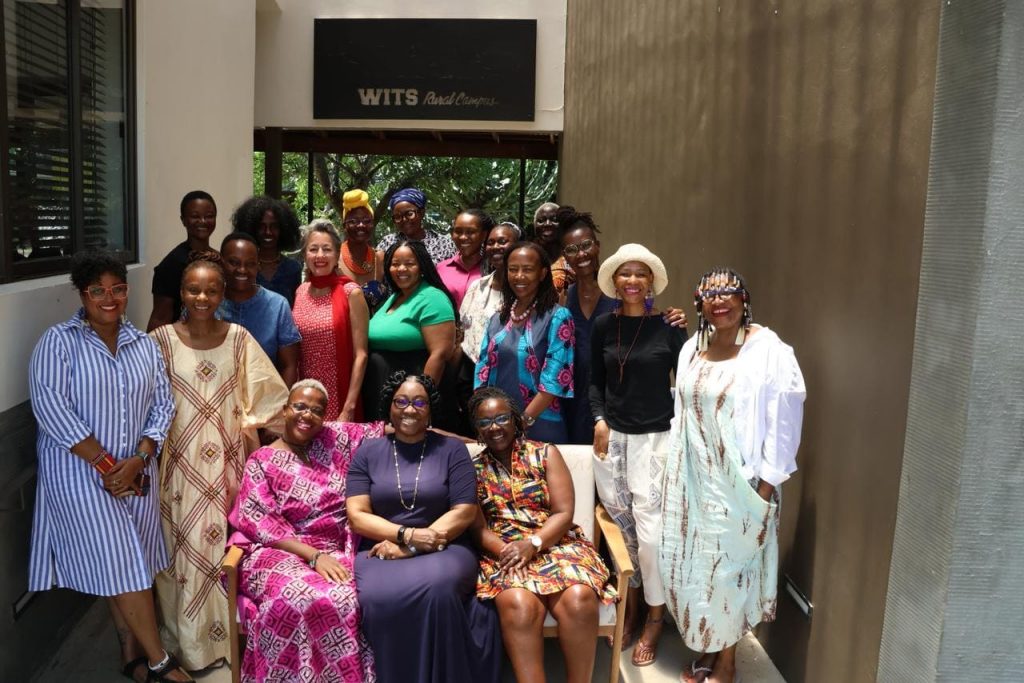
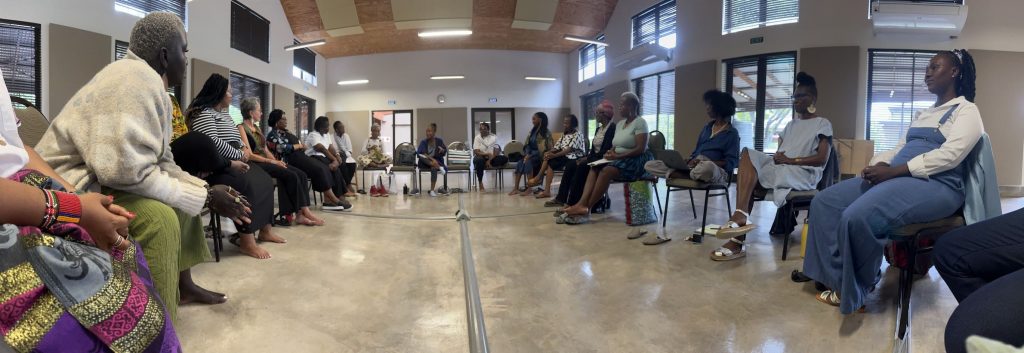
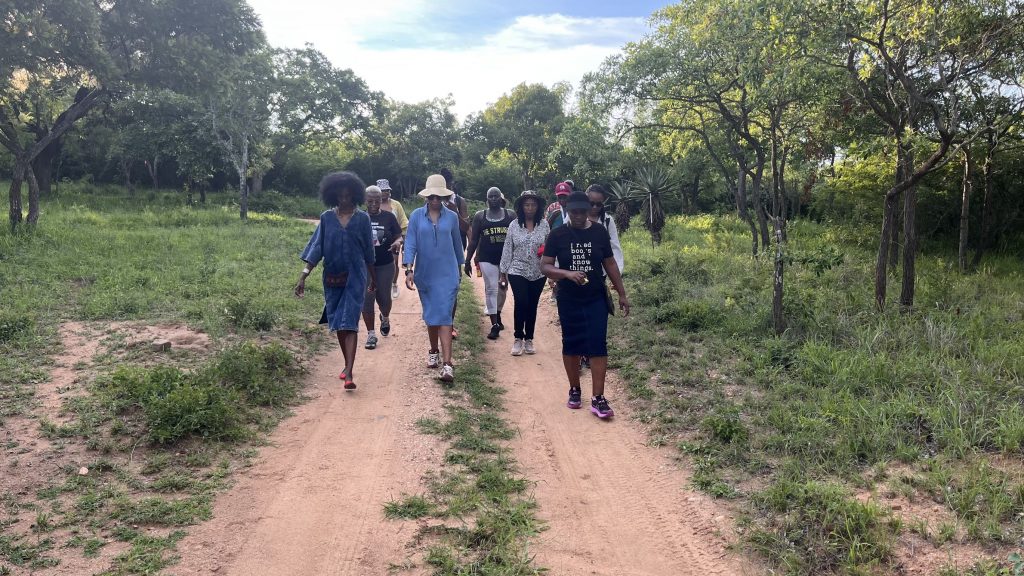
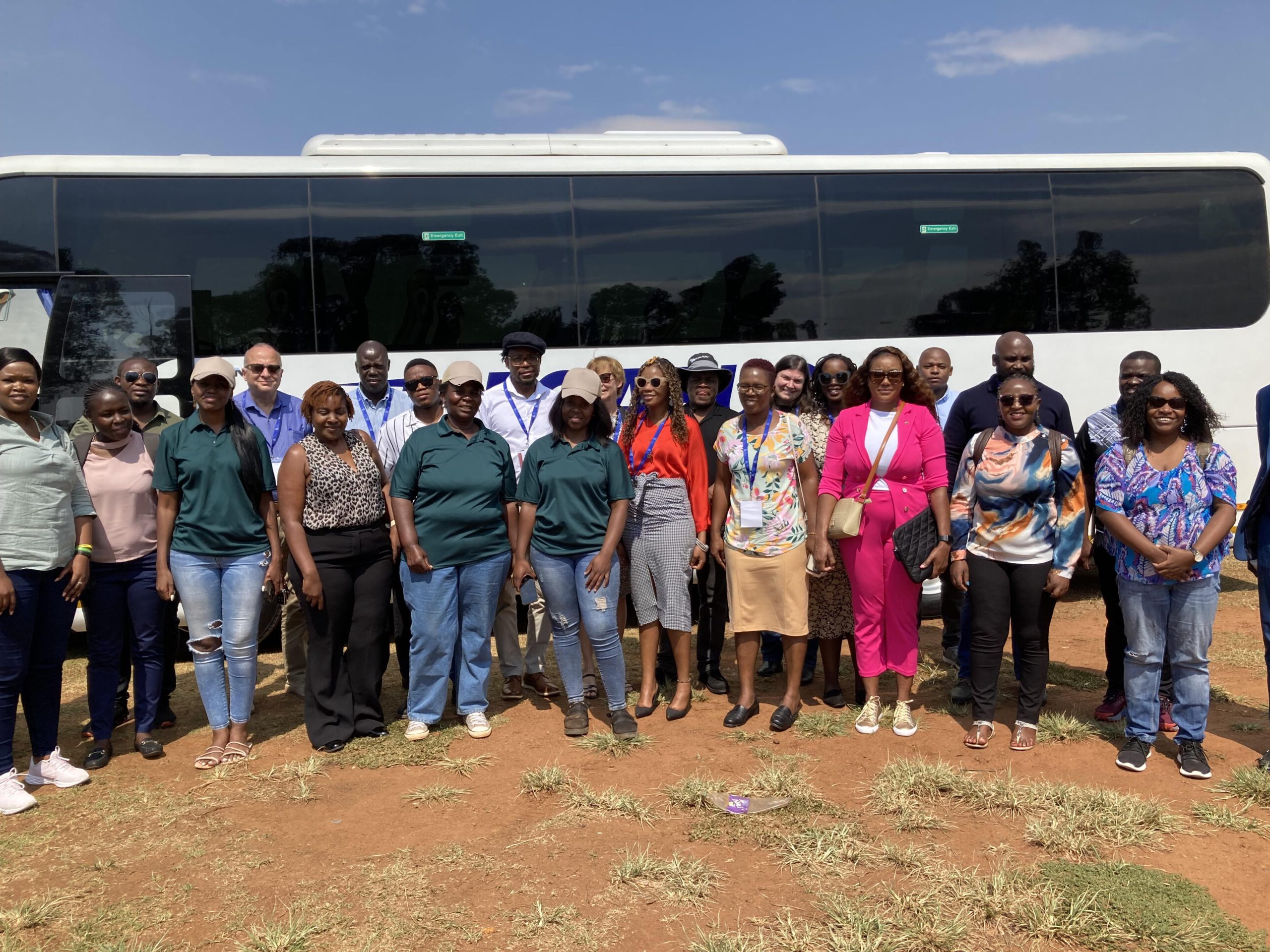
Images from previous workshops

Hear from previous workshop attendees

https://youtu.be/eODZD76H4Kkhttps://youtu.be/Vt2Lm5UjLrIhttps://youtu.be/tOOO2Aybt-8https://youtu.be/KpLqHG0UEsE

Reflecting on 2022: From the Desk of the Director

By Prof Bhekinkosi Moyo

The year has come to an end, and we are gearing up for 2023 with some useful insights, experiences, and connections that we made in 2022. We considered 2022 to be our ‘Year of Publications’. In this regard, we published thirty-five (35) products – one research article, 16 research reports, 16 journal articles (since the launch of the journal), two conference proceedings and opinion pieces, especially in the Alliance Magazine. Given our need to promote more research and knowledge on African philanthropy and social investment, we also held several workshops on research, publishing, and writing. These included two doctoral workshops, two publishing workshops, an academic conference and several webinars to validate and disseminate research findings.

We also supported our associate researchers and staff members to present their research findings at different international platforms. For example, CAPSI was well represented at the 15th International Society for Third Sector Research Conference in Montreal, Canada in July 2022. Taking CAPSI research products to an international stage is very important in our quest to develop a new narrative on African philanthropy. At the ISTR Conference, CAPSI’s two post-doctoral fellows presented a paper on ‘NGOs and Social Enterprises as vehicles for resilient urban communities in African cities’. Three CAPSI staff members presented papers on their ongoing research projects, while two research associates shared their findings, and a doctoral student presented his interim thesis results. CAPSI staff members also presented in other important conferences that included the Africa Philanthropy Forum in Kigali, the Africa Philanthropy Network in Kampala, the Independent Philanthropy Association of South Africa in Cape Town, Philanthropy Europe Association (Philea) in Barcelona, Association for Research on Non-profit Organisations and Voluntary Action (ARNOVA) in North Carolina, the Association for Research on Civil Society (AROCSA) in Dakar, the African Studies Association in Philadelphia and the 26th International Association for Volunteer Effort (IAVE) in Abu Dhabi.

Related to knowledge production, CAPSI continued to work with its associate researchers across Africa to conduct research on key projects that include understanding High Net Worth Individuals (HNWIs); Barriers to Civil Society in Africa; COVID-19 and its Impact on Philanthropy; Social Investment; and various expressions of African Philanthropy. Most of the associates’ research findings were published in-house and in several other academic journals. We are excited that our research on COVID-19 and its impact on philanthropy, social investment and civil society in Africa, will be published in a book format by Edward Elgar Publishing in March 2023. Be on the lookout for our upcoming book titled ‘African Philanthropy: Philanthropic Responses to Covid-19 and its Development Goals in Africa’. Indeed, 2022 was a year of publication for CAPSI. We thank our associate researchers, staff and students who were involved in the different research projects. Equally the research would not have happened without the support of our donors. I want to thank our donors for supporting our programmes.

As part of documenting organisational experiences and developing material for teaching, we also wrote case studies. We have so far written more than ten case studies and three of these are being finalised. The cases include the Sawiris Foundation in Egypt; the Southern Africa Trust in South Africa; the West Africa Civil Society Institute in Ghana, the Vodacom Foundation in South Africa, and the Kenya Community Foundation in Kenya, to highlight a few. Some of these case studies have been turned into teaching notes and published for citing by researchers and students alike. This is an exciting undertaking for us not only because we acquire material for teaching in our academic programmes, but also because our subjects of study want to use the case studies for their own reflections and constituencies.

Nothing is as fulfilling as seeing your objectives coming to fruition. One of CAPSI’s main objectives is to create a cohort of new researchers and academics in African Philanthropy.  In the last five years of CAPSI’s existence as an institution, five doctoral students have graduated and all five are still associated with CAPSI, in the positions of associate researcher, lecturer, or post-doctoral fellowship. Two additional doctoral students submitted their theses in 2022. There are 18 active doctoral students who are associated with CAPSI – 16 of these are registered at Wits University and the other two are studying at the University of South Africa and the University of North West. Their research is made possible by several donors who believed in the dream of developing new expertise and competencies on African philanthropy. We look forward to admitting and graduating more doctoral students in the field of African philanthropy. Our hope is to create a movement and have African philanthropy taught and researched throughout Africa. We therefore take this opportunity to invite interested students to contact us, and we can assist in brainstorming researchable topics.

Our other academic programmes have also taken off. The Master of Management in African Philanthropy launched well in 2022 and the first cohort is currently underway. In 2023, we will admit our second cohort. In collaboration with Inyathelo, we also began a Post Graduate Diploma in African Philanthropy and Resource Mobilisation in 2021. The first cohort completed in July 2022 and graduated this year. Our academic offerings are the only ones on the continent, and we are excited to have been the first to develop and offer these. Being the first though, also means hard work. In this regard, we are working actively to promote the programmes, solicit interest and recruit more students.  We are also eager to collaborate with other universities across the continent. We have begun conversations with several universities with the view to either having joint certification or helping them develop their own programmes.

In addition to the postgraduate diploma and the MM in African Philanthropy by Coursework, CAPSI also works with students who want to study for the Master’s degree by Research. At the moment, two have graduated with a master’s degree in the area of philanthropy and two are currently registered by research.

Some of you reading this might have heard me canvasing ideas and resources for setting up a philanthropy radio station. The dream is still on, but we could not wait till we had everything in place. We decided to establish a podcast on philanthropy and as you read this, we have recorded 19 episodes and published 13 of these on the ‘Conversations on African Philanthropy’ podcast. This is an exciting project for us and in the next year we will increase the frequency and numbers per month. Our hope is to document as many different voices as possible from across Africa and in the diaspora. This is not an isolated initiative for us, it is very much embedded in our quest to promote African philanthropy and celebrate its uniqueness. It complements our research, teaching and our various platforms that we constructed to showcase different forms of giving, such as the Kisima African Giving Initiative, our digital platforms and the soon-to-be-launched Knowledge Hub.

For the first time, we conducted an independent assessment of our performance so far. The evaluation revealed a lot of successes and several challenges. One of these challenges is related to how CAPSI is fully embedded in the Business School. We are working on this with the view to introducing our modules not only as standalone, but also as part of the programmes across the school. The second challenge is that of our revenue model. CAPSI has not mobilised enough resources from African sources, and this is a challenge we will continue to face for a few years before we can become fully sustainable. Our sustainability is a long-term process, as it involves training our own experts, producing knowledge and becoming a platform for interpreting the philanthropic landscape, generating our own revenue through short and long courses, building a durable organisation and taking CAPSI and its initiatives to different African communities. We have to be fit for purpose. We have to report and account adequately and consistently. We have to remain relevant, timely and timeless. We recently developed a Smartboard internally to manage our operations and this will in many ways help us become efficient, effective and hopefully impactful.

We would not have done all the above without the support of our development partners. I want to take this opportunity to thank TrustAfrica, Southern Africa Trust, Carnegie Corporation of New York, the Ford Foundation, the Charles Stewart Mott Foundation, the Open Society Foundation (Africa offices, in particular OSISA), Reckitt, Gilead Sciences, Africa Philanthropy Forum, Africa Philanthropy Network, East Africa Philanthropy Network and WINGS. I also want to thank our strategic partners: Strathmore University, Centre for Strategic Philanthropy at the University of Cambridge, Lilly School of Philanthropy, ISTR, ARNOVA, AROCSA, IPASA, Gerhart Centre at the American University in Cairo, Centre for Philanthropy and Civil Society at CUNY, University of Muenster, Frankfurt University of Applied Sciences, Bauhaus University in Weimar, City Parks (City of Johannesburg) and Higherlife Foundation.

As we look towards 2023, we can’t but wait to be in your area with more of our programmes.

I wish you a blessed, safe and enjoyable Christmas season and a fruitful 2023.

Bheki

Bhekinkosi Moyo is the Director of CAPSI. He has championed the African discourse on philanthropy, contributed to the growth of many African civil society formations and has taken part in most of the continental processes of development and governance. Equally, he has gained considerable experience in management, leadership and strategic roles over a significant period.