Author: info
Reflecting on 2022: From the Desk of the Director
By Prof Bhekinkosi Moyo
The year has come to an end, and we are gearing up for 2023 with some useful insights, experiences, and connections that we made in 2022. We considered 2022 to be our ‘Year of Publications’. In this regard, we published thirty-five (35) products – one research article, 16 research reports, 16 journal articles (since the launch of the journal), two conference proceedings and opinion pieces, especially in the Alliance Magazine. Given our need to promote more research and knowledge on African philanthropy and social investment, we also held several workshops on research, publishing, and writing. These included two doctoral workshops, two publishing workshops, an academic conference and several webinars to validate and disseminate research findings.
We also supported our associate researchers and staff members to present their research findings at different international platforms. For example, CAPSI was well represented at the 15th International Society for Third Sector Research Conference in Montreal, Canada in July 2022. Taking CAPSI research products to an international stage is very important in our quest to develop a new narrative on African philanthropy. At the ISTR Conference, CAPSI’s two post-doctoral fellows presented a paper on ‘NGOs and Social Enterprises as vehicles for resilient urban communities in African cities’. Three CAPSI staff members presented papers on their ongoing research projects, while two research associates shared their findings, and a doctoral student presented his interim thesis results. CAPSI staff members also presented in other important conferences that included the Africa Philanthropy Forum in Kigali, the Africa Philanthropy Network in Kampala, the Independent Philanthropy Association of South Africa in Cape Town, Philanthropy Europe Association (Philea) in Barcelona, Association for Research on Non-profit Organisations and Voluntary Action (ARNOVA) in North Carolina, the Association for Research on Civil Society (AROCSA) in Dakar, the African Studies Association in Philadelphia and the 26th International Association for Volunteer Effort (IAVE) in Abu Dhabi.
Related to knowledge production, CAPSI continued to work with its associate researchers across Africa to conduct research on key projects that include understanding High Net Worth Individuals (HNWIs); Barriers to Civil Society in Africa; COVID-19 and its Impact on Philanthropy; Social Investment; and various expressions of African Philanthropy. Most of the associates’ research findings were published in-house and in several other academic journals. We are excited that our research on COVID-19 and its impact on philanthropy, social investment and civil society in Africa, will be published in a book format by Edward Elgar Publishing in March 2023. Be on the lookout for our upcoming book titled ‘African Philanthropy: Philanthropic Responses to Covid-19 and its Development Goals in Africa’. Indeed, 2022 was a year of publication for CAPSI. We thank our associate researchers, staff and students who were involved in the different research projects. Equally the research would not have happened without the support of our donors. I want to thank our donors for supporting our programmes.
As part of documenting organisational experiences and developing material for teaching, we also wrote case studies. We have so far written more than ten case studies and three of these are being finalised. The cases include the Sawiris Foundation in Egypt; the Southern Africa Trust in South Africa; the West Africa Civil Society Institute in Ghana, the Vodacom Foundation in South Africa, and the Kenya Community Foundation in Kenya, to highlight a few. Some of these case studies have been turned into teaching notes and published for citing by researchers and students alike. This is an exciting undertaking for us not only because we acquire material for teaching in our academic programmes, but also because our subjects of study want to use the case studies for their own reflections and constituencies.
Nothing is as fulfilling as seeing your objectives coming to fruition. One of CAPSI’s main objectives is to create a cohort of new researchers and academics in African Philanthropy. In the last five years of CAPSI’s existence as an institution, five doctoral students have graduated and all five are still associated with CAPSI, in the positions of associate researcher, lecturer, or post-doctoral fellowship. Two additional doctoral students submitted their theses in 2022. There are 18 active doctoral students who are associated with CAPSI – 16 of these are registered at Wits University and the other two are studying at the University of South Africa and the University of North West. Their research is made possible by several donors who believed in the dream of developing new expertise and competencies on African philanthropy. We look forward to admitting and graduating more doctoral students in the field of African philanthropy. Our hope is to create a movement and have African philanthropy taught and researched throughout Africa. We therefore take this opportunity to invite interested students to contact us, and we can assist in brainstorming researchable topics.
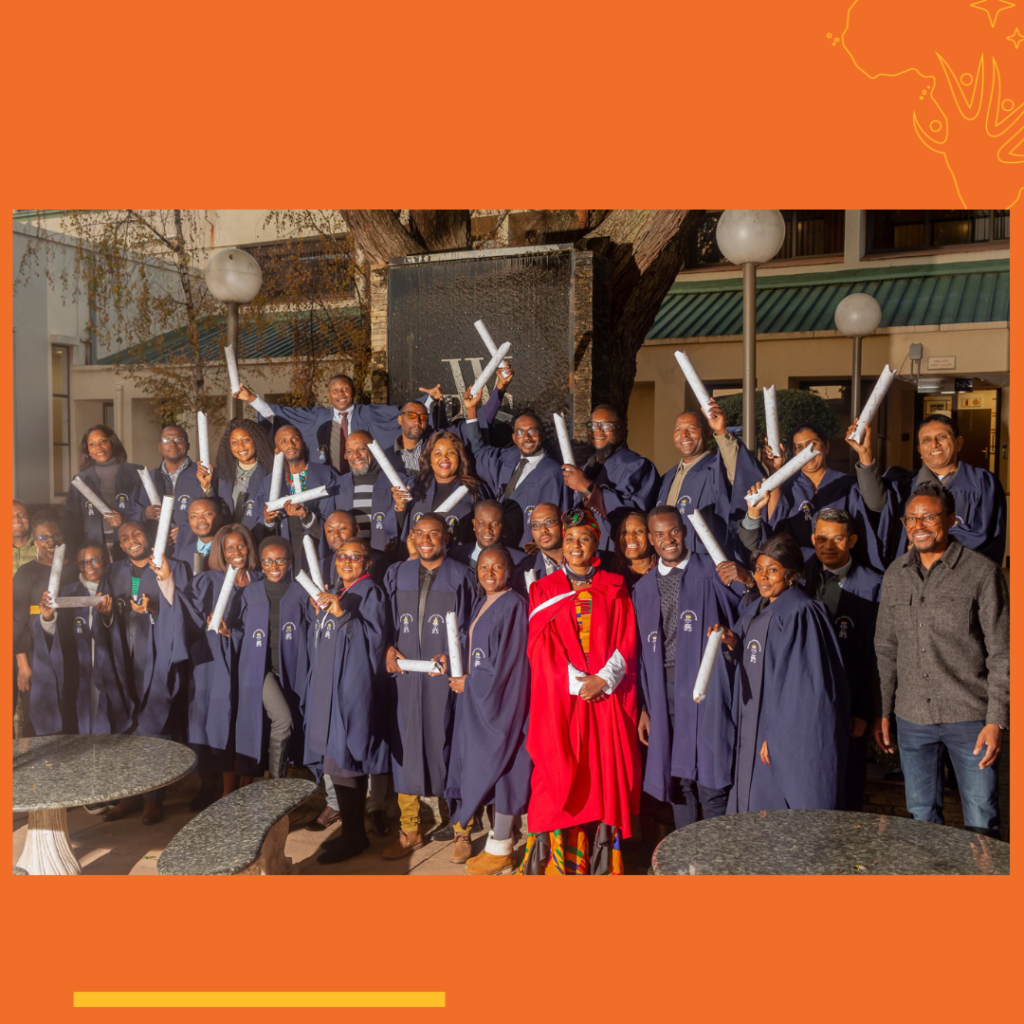
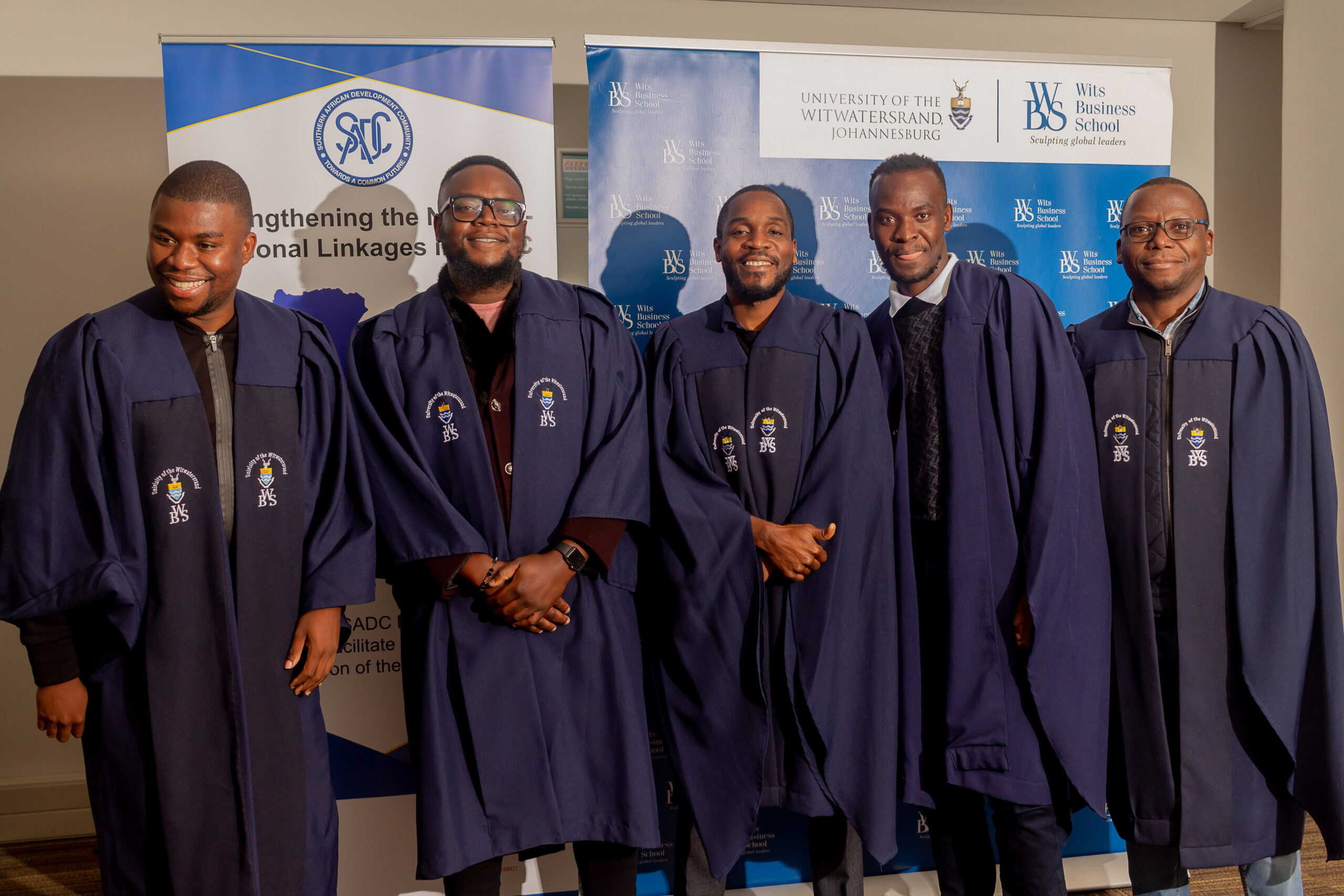
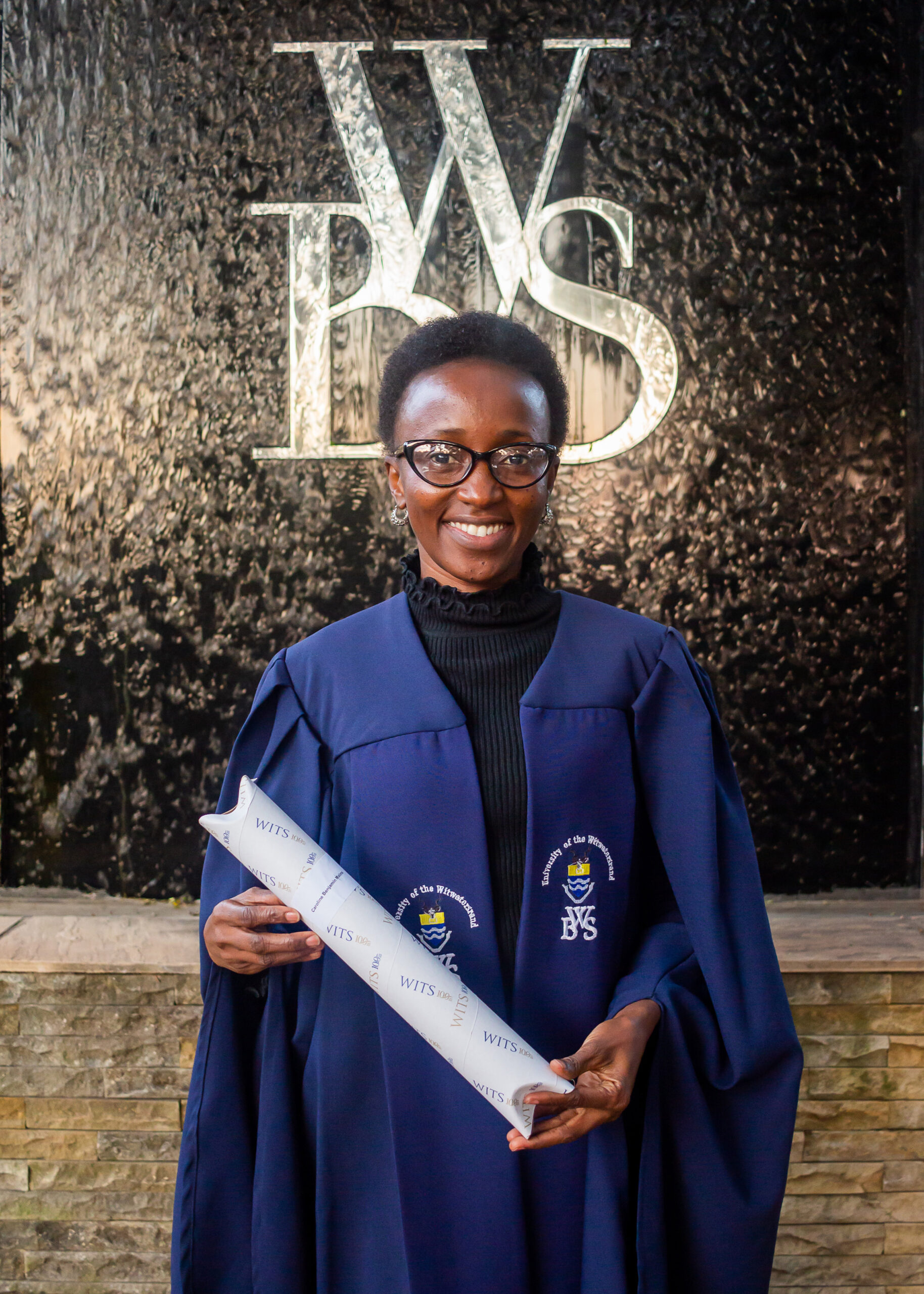
Our other academic programmes have also taken off. The Master of Management in African Philanthropy launched well in 2022 and the first cohort is currently underway. In 2023, we will admit our second cohort. In collaboration with Inyathelo, we also began a Post Graduate Diploma in African Philanthropy and Resource Mobilisation in 2021. The first cohort completed in July 2022 and graduated this year. Our academic offerings are the only ones on the continent, and we are excited to have been the first to develop and offer these. Being the first though, also means hard work. In this regard, we are working actively to promote the programmes, solicit interest and recruit more students. We are also eager to collaborate with other universities across the continent. We have begun conversations with several universities with the view to either having joint certification or helping them develop their own programmes.
In addition to the postgraduate diploma and the MM in African Philanthropy by Coursework, CAPSI also works with students who want to study for the Master’s degree by Research. At the moment, two have graduated with a master’s degree in the area of philanthropy and two are currently registered by research.


Some of you reading this might have heard me canvasing ideas and resources for setting up a philanthropy radio station. The dream is still on, but we could not wait till we had everything in place. We decided to establish a podcast on philanthropy and as you read this, we have recorded 19 episodes and published 13 of these on the ‘Conversations on African Philanthropy’ podcast. This is an exciting project for us and in the next year we will increase the frequency and numbers per month. Our hope is to document as many different voices as possible from across Africa and in the diaspora. This is not an isolated initiative for us, it is very much embedded in our quest to promote African philanthropy and celebrate its uniqueness. It complements our research, teaching and our various platforms that we constructed to showcase different forms of giving, such as the Kisima African Giving Initiative, our digital platforms and the soon-to-be-launched Knowledge Hub.
For the first time, we conducted an independent assessment of our performance so far. The evaluation revealed a lot of successes and several challenges. One of these challenges is related to how CAPSI is fully embedded in the Business School. We are working on this with the view to introducing our modules not only as standalone, but also as part of the programmes across the school. The second challenge is that of our revenue model. CAPSI has not mobilised enough resources from African sources, and this is a challenge we will continue to face for a few years before we can become fully sustainable. Our sustainability is a long-term process, as it involves training our own experts, producing knowledge and becoming a platform for interpreting the philanthropic landscape, generating our own revenue through short and long courses, building a durable organisation and taking CAPSI and its initiatives to different African communities. We have to be fit for purpose. We have to report and account adequately and consistently. We have to remain relevant, timely and timeless. We recently developed a Smartboard internally to manage our operations and this will in many ways help us become efficient, effective and hopefully impactful.
We would not have done all the above without the support of our development partners. I want to take this opportunity to thank TrustAfrica, Southern Africa Trust, Carnegie Corporation of New York, the Ford Foundation, the Charles Stewart Mott Foundation, the Open Society Foundation (Africa offices, in particular OSISA), Reckitt, Gilead Sciences, Africa Philanthropy Forum, Africa Philanthropy Network, East Africa Philanthropy Network and WINGS. I also want to thank our strategic partners: Strathmore University, Centre for Strategic Philanthropy at the University of Cambridge, Lilly School of Philanthropy, ISTR, ARNOVA, AROCSA, IPASA, Gerhart Centre at the American University in Cairo, Centre for Philanthropy and Civil Society at CUNY, University of Muenster, Frankfurt University of Applied Sciences, Bauhaus University in Weimar, City Parks (City of Johannesburg) and Higherlife Foundation.
As we look towards 2023, we can’t but wait to be in your area with more of our programmes.
I wish you a blessed, safe and enjoyable Christmas season and a fruitful 2023.
Bheki
Bhekinkosi Moyo is the Director of CAPSI. He has championed the African discourse on philanthropy, contributed to the growth of many African civil society formations and has taken part in most of the continental processes of development and governance. Equally, he has gained considerable experience in management, leadership and strategic roles over a significant period.
Reflecting on 2022: Kisima, African Giving Platform
By Stractiv8 Impact
The Kisima, African Giving Platform is dedicated to enabling the practice of giving through storytelling. On the platform, visitors are introduced to individuals and organisations located in different countries across the continent, who have implemented programmes and projects that are making a difference in their communities. One of the ways that they will be able to continue their work successfully is through the philanthropic efforts of which each visitor has the power to practice.
During the launch of the Kisima, African Giving Platform, patron mama Graça Machel shared power that lies within each African. “Solidarity, passion, caring are the real glue to social development and transformation of societies. Everywhere I have gone, I have marvelled as to how each and every one of us has a story of that one person, or group or people, who helped them in one form or another. Equally interesting is that everyone of us has helped somebody at some point time in our own ways.” She further shares “If everyone in Africa gave only a dollar annually, we would raise money enough to respond to urgent crises. Today it is COVID19, tomorrow it may be climate change and other pandemics looming.”
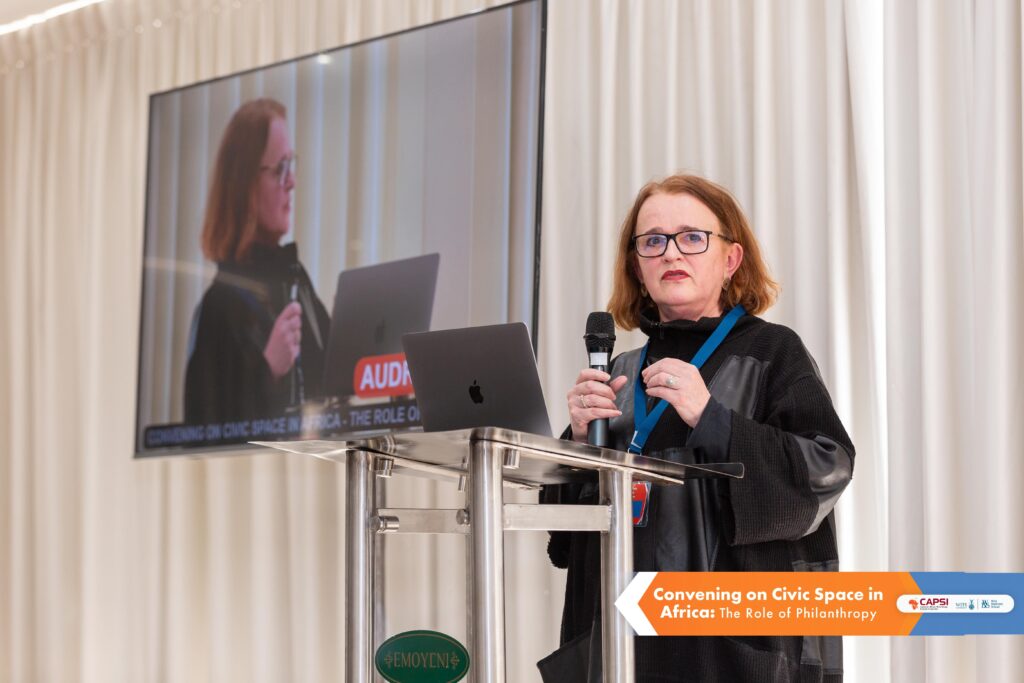
This year, we committed to continuing the work that started in 2021 by either launching supporting or accelerating existing efforts. In the month of April, we introduced a series of hybrid events titled Kisima Dialogues, where members of the community were provided an opportunity to connect with the individuals and organisations whose stories of giving are hosted on the platform. This allowed for more in-depth discussions on the themes of Youth in Philanthropy and the Freedom to Give, while also giving valuable visibility for the work that has been fulfilled in communities. More of these dialogues will be hosted in the new year.
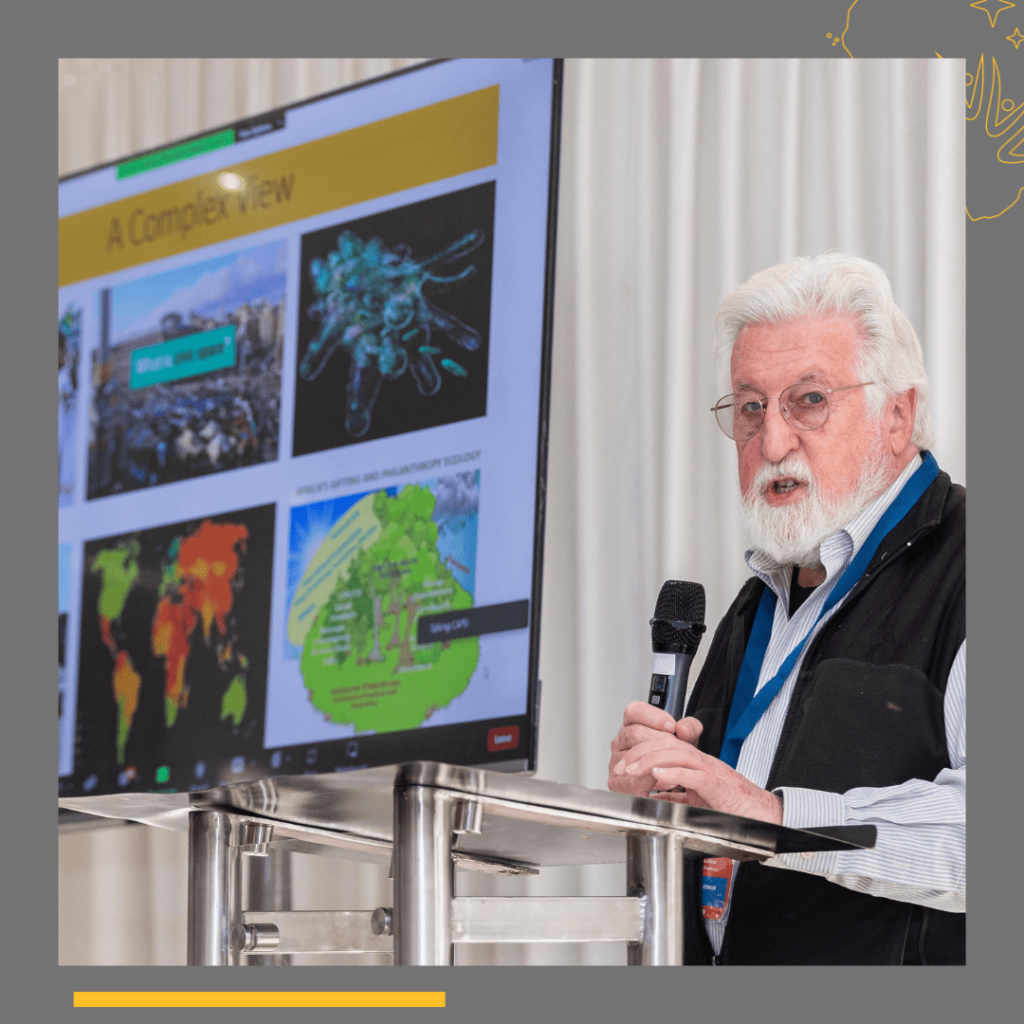
Keynote address by Dr Judy Dlamini at Kisima Dialogue April
Keynote address by Thabang Skwambane at Kisima Dialogue August
Presentation on Youth in Philanthropy by Dr Asabea Ahwireng-Obeng
A key outcome that was achieved during this year was the launch of the Kisima, African Giving Platform mobile application on the Google Play Store. This expands the digital footprint of the platform and makes the stories as well as the opportunity to give, available to a wider audience. The availability of the mobile app on the Apple Store will be concluded in the new year.
With an increasing number of stories shared on the platform, one of the primary objectives of 2023 will be the launch of giving campaigns. This is the direct application of lessons learnt from observations made during the global pandemic lockdown, where people can give finances and resources towards a theme whose actors are in critical need of support, for example health research or vaccine deployment. Within these campaigns, donors will be able to see all the organisations who will receive the donations given and be able to track progress of the projects or programmes, again though storytelling.
We invite you to watch some of the stories that have been submitted on the website.
Playlist
4 Videos
Youth for Survival
6:58
Free cleft and facial deformity surgeries outreach
5:38
Kitso Lesedi Community Development
6:16
The Soup Kitchen
1:16
Stractiv8 Impact is a communications and digital engagement agency that works with social impact organisations in the Global South.
Reflecting on 2022: African Philanthropy Conference
By Stractiv8 Impact
Since its launch in 2019, the African Philanthropy Conference has grown to become one of the must-attend conferences in the sector calendar. Following the fully virtual 2021 edition, this year’s conference adopted a hybrid format, with the in-person portion hosted in Johannesburg South Africa, which allowed for the much needed interaction that many had not had since before the global pandemic. The conference was hosted by the partnership of the Centre on African Philanthropy and Social Investment at the Wits Business School, TrustAfrica, Higherlife Foundation, Africa Philanthropy Forum, African Philanthropy Network, East Africa Philanthropy Network and Southern Africa Trust.
This year’s conference was unique in that it introduced a precursor event. The inaugural African Philanthropy Academic Conference was hosted by CAPSI and Wits Business School, serving to bring research rigour and the process of developing philanthropy in Africa. Doctoral graduates and renowned academics from research and academic institutions, presented insightful papers that will form part of the body of work that is supported by the Academic Conference.
The theme of the 2022 conference was Systems Change and The New Normal in African Philanthropy: Trends, Practices and Policies – with the objective of addressing system changes that are required in philanthropy in the new normal, especially as these changes relate to the continent’s institutions, policies and practices. To support the discussions that this timely theme offered, the programme of the conference was structured into three pillars, namely Philanthropy and Climate Change, Philanthropy and the Youth, and Technology and Systems in Philanthropy’s Practices. In this format, keynote addresses, plenary sessions and sub-thematic parallel sessions were moderated by partner organisations, with panelists who presented insightful observations to their discussions.
This year’s conference attracted an audience of delegates from across the globe, which included philanthropy practitioners, members of civil society, academics from numerous African universities, donors and business owners. Those who were able to travel to Johannesburg greatly enjoyed the opportunity to network within the sector and form new relationships.
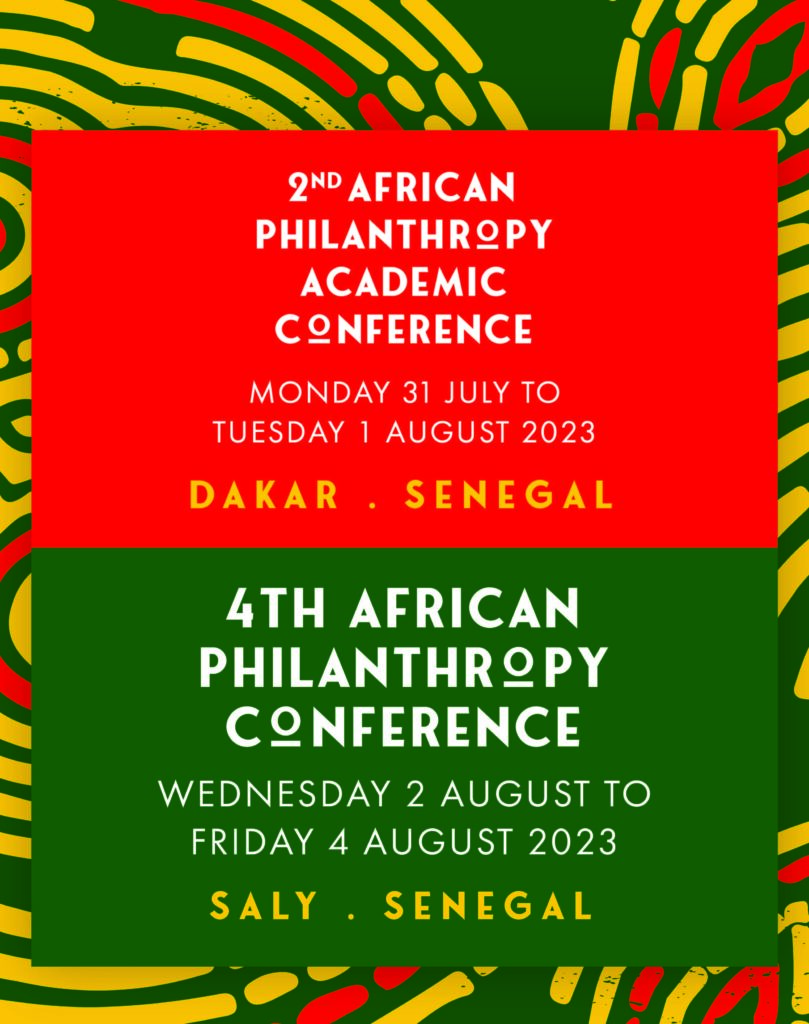
As we look forward to 2023, we are excited to declare the month of August as “African Philanthropy Month”, which will host the 4th African Philanthropy Conference and the 2nd African Philanthropy Academic Conference in Dakar, Senegal. The partner organisations are excited to collaborate to support the strides that the sector continues to make.


Stractiv8 Impact is a communications and digital engagement agency that works with social impact organisations in the Global South.
Reflecting on 2022: Conversations on African Philanthropy Podcast
By Stractiv8 Impact
At the conclusion of 2021, we sought to develop content that leverages on the vast offering of virtual platforms. With this goal set, we reflected on the body of knowledge that we have built since the establishment of the Centre, the questions that have emanated from this and the many relationships we have formed along the way. With these on the table, the concept of the Conversations on African Philanthropy was birthed – a platform where we interact with individuals whose work and lives have been of immense impact to philanthropy in Africa. Through these conversations, people with an interest in philanthropy, social investment, leadership, research, business and the arts can tap into the insights shared on the platform.
Following weeks of conceptualising and planning, the Conversations on African Philanthropy began recording video episodes and was formally launched in May 2022. Episodes are published on a dedicated YouTube channel and hosted on various audio streaming channels, including Apple Podcasts and Spotify. Hosted by Bhekinkosi Moyo, the episodes take the format of a 2-way conversation, with guests joining either in person or online. To date, the Conversations on African Philanthropy Podcast episodes have garnered 760 views on YouTube, and 200 downloads on audio streams.
Thirteen episodes have been aired with guests who are established authorities in the arts, business, academia, medicine and philanthropy management. Some of these guests are award winning musicians Yvonne Chaka Chaka and Berita, philanthropy practitioners Nicolette Naylor and Mmabatho Maboya, and business leaders Thabang Skwambana and Prof. Maurice Radebe. Upcoming episodes are under production, and we look forward to launching these to the growing body of followers of the podcast.
As we look ahead to 2023, Conversations on African Philanthropy Podcast will continue to grow. Continuing the practice of collaboration, we will partner with organisations and platforms to scale the message that philanthropy and social investment in Africa is active and impactful through the medium of storytelling that the podcast offers. We also plan to maximise the opportunity to host live recordings with community members.
We invite you to subscribe to the podcast channels and use the comments section to share your views and observations from episodes.
- YouTube: https://www.youtube.com/@conversationsonafricanphilanth
- Apple Podcast: https://podcasts.apple.com/za/podcast/conversations-on-african-philanthropy-podcast/id1635132450
- Spotify: https://open.spotify.com/show/4Nhz8IyhVi794jwscinHyO?si=S5GngCEQQxidHuHu2ka0fw&utm_source=copy-link
Stractiv8 Impact is a communications and digital engagement agency that works with social impact organisations in the Global South.
Reflecting on 2022: Resilient Urban Communities
By Dr Melody Mandevere and Dr Roselyn Cheruiyot
Resilient Urban Communities is a collaborative African-German project that addresses the United Nations Sustainable Development Goals of “sustainable cities and communities” and “quality education” through research and dissemination of knowledge related to the subject areas “good governance” and “local government”. Encompassing a research, networking and education component, RUC aims to improve urban supply systems and infrastructure for vulnerable groups in deprived local communities and enhance the governance of African megacities. The research programme of RUC focuses on social enterprises (SEs) and non-profit organisations (NPOs) as subsidiary social service providers and vehicles for participation and integration that contribute to the resilience of urban communities.
CAPSI, in partnership with three other universities, started the project in the last quarter of 2021.
Below are the activities including those for the year 2023:
| Milestone | Description | Achievement/s |
| WP1 | Consortium Kick-Off Meeting in Johannesburg | Partners from Muenster University, Weimar University, Frankfurt University, Strathmore University, City of Johannesburg and East Africa Philanthropy network (EAPN), converged at Wits University being hosted by CAPSI for the planning meeting which was successful. |
| WP3 | Write literature review on key parameters of a supportive eco-system for SEs and NPOs in urban Africa | Literature review for a supportive ecosystem was compiled and the document has been shared with other partners. |
| WP5 | Reality Check: Analyses of the eco-systems of SEs/NPOs in Johannesburg | A total of 15 interviews in the 1st phase and 8 in the 2nd phase were contacted with City Officials, NPOs and SEs. The report is being finalised. |
| ISTR | A report focusing on the Sustainability of Social Enterprises and NPOs in South Africa was presented at a roundtable discussion in Montreal, Canada in July 2022. | |
| WP4 | Pathway to Success I: Conference, PhD Seminar, and Research Workshop at Strathmore University in Nairobi | A conference to be attended by all RUC partners in Nairobi. CAPSI presented WP3 and WP8 preliminary results. |
The plans for 2023 are as follows:
- Together with other partners, the WP5 report will be finalised.
- WP8, which aims at providing firsthand expertise for the foundation, management, leadership and sustainability of community-based SEs and NPOs in African megacities through two case studies in South Africa, will be implemented. The plan is to observe, interview and analyse at least two Social Enterprises in South Africa to understand the challenges and to overcome these.
Dr Melody Mandevere and Dr Roselyn Cheruiyot are CAPSI’s first Post Doctoral Researchers.
Reflecting on 2022: Research
By Dr Wycliffe Nduga Ouma
The Research Portfolio is responsible for all research-related activities at the Centre, including managing the research associates and ensuring all research activities are carried out in a timely manner. Research associates form a significant asset for the Centre as they are the machine that churns out the various research projects that CAPSI undertakes.
The Portfolio commissioned a number of research projects, including a book project on ‘Barriers to Civil Society Organizations in Africa’. In the spirit of providing emerging academics the opportunity to flourish, CAPSI commissioned five emerging researchers to examine focal and emerging areas of research on philanthropy and the philanthropic ecosystem. This project is well underway and is expected to be completed by April 2023.
In the month of August, we hosted the inaugural African Philanthropy Academic Conference. This event served as a precursor to the African Philanthropy Conference and hosted presentations of 40 papers to an audience of 95 delegates attending the one-day event held in Johannesburg, South Africa.
To manage the research output more efficiently, the Research Portfolio has developed a schedule for all the researchers working on various streams of research, to periodically present the progress of their work among peers. This offers researchers the opportunity to generate constructive critiques from peers to further improve the quality of their work. Additionally, the research portfolio has developed a quarterly meeting/workshop session for all the research associates at CAPSI. The inaugural meeting took place on the 29th of November in Johannesburg, at Wits Business School.
Dr Wycliffe Nduga Ouma is a Research Associate managing the research portfolio at CAPSI. His interests lie in Financial Economics, which enables him to blend financial economics research within philanthropy.
Reflecting on 2022: Publications
By Xolani Dlamini
CAPSI declared 2022 ‘the year of publication’. Over the last two years, the Centre commissioned several studies focusing on various research areas. These studies have produced over sixteen Research Reports from Philanthropic Foundations, High Net Worth Individuals, Community Philanthropy and Social Investment. CAPSI’s research reports offer a glimpse into the various expressions of philanthropic forms, types, and practices across the continent. Over the last three to four years, CAPSI has worked with several researchers and partners in Africa, to formulate a new narrative on African philanthropy and social investment. These studies focus on High Net Worth Individuals, Social Investment and Philanthropic Foundations as well as philanthropic activity in selected countries. This is just the beginning of the long-anticipated journey to interpret the philanthropic landscape in Africa.
The Centre’s mandate is to bridge the gap in the study, research and practice of philanthropy and social investment in Africa. In line with this mandate, we published two African Philanthropy Conference proceeding reports for 2021 and 2022, themed “Fusing the Philanthropic and COVID-19 Contexts” and “The State of African Philanthropy” respectively. In addition, the Centre is working on two books, one in response to COVID-19 and the other focusing on Barriers to Civil Society.
Following the publication of all commissioned report papers, in 2023 we will be hosting a Spotlight series with authors. This is to create a space for conversation and to foster engagement with each report. It gives authors an opportunity to delve deeper into their findings and recommendations and allow interaction with the wider community.
In response to perceived challenges faced by researchers when looking to publish their research in academic journals, CAPSI, in collaboration with various organisations/publishers, hosted a continuation of a series of webinars that started in 2021. Each webinar looked at a different topic, covering the knowledge needed to publish journal articles. The series aims to provide expert advice on a broad range of publishing topics.
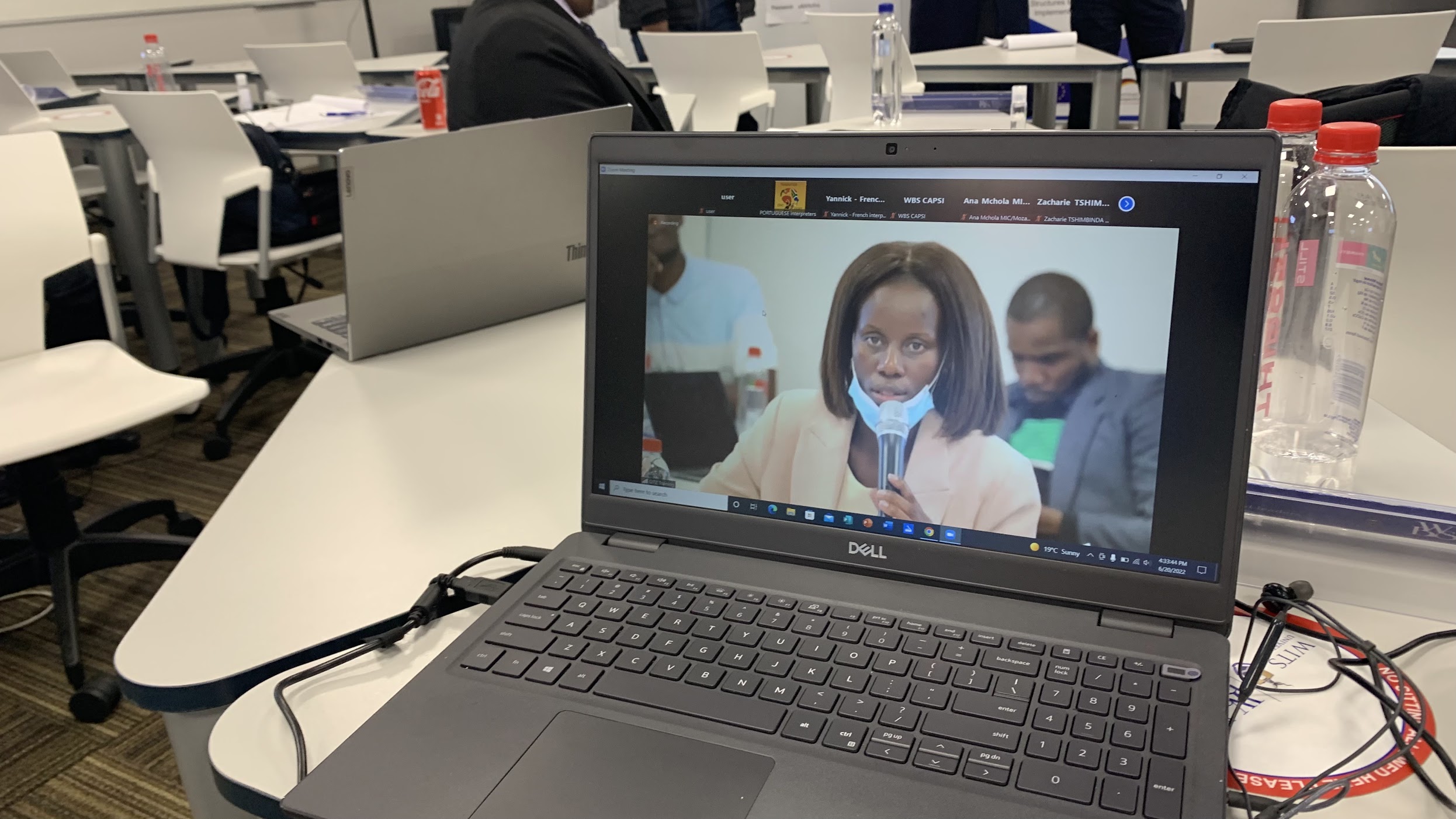
This year’s session, held on 27 October, was titled “Academic Publishing Workshop Series for Emerging Researchers”. The session covered various academic publishing components such as preparing a paper for submission, the peer review process, production and online publishing. One of the speakers represented emerging scholars, sharing their academic journey as early career researchers. The event was a huge success with over one hundred online attendees, including speakers.
Playlist
Dr Sara Amin – The Peer Review Process of the Publishing Journey
31:09
Dr Jones Odei Mensah – The Peer Review Process
19:56
Dr Linda Fick – Preparing Manuscripts for Publication
16:43
Dr Emmanuel Quaye – Challenges and Opportunities for Emerging Researchers
15:30
Xolani Dlamini is a Digital Publisher specialising in academic/scholarly publishing, particularly Open Access journals. He has been involved in managing and publishing various academic journals in different fields of study.
Reflecting on 2022: Operations
By Thandi Makhubele
The last two years have been difficult for everyone – the world came to a halt as a result of the pandemic, which crippled every aspect of our lives, including businesses, the loss of loved ones, and challenging of our ways of life. As the situation improves and most of the world returns to the “new” normal, people are still trying to piece together what happened before everything came to a halt.
The Aspire Higher Project competition was one that was greatly impacted by the pandemic. While the four groups displayed an amazing capability to adapt to new methods of data collection, they faced challenges resulting from participating schools not being able to operate as normal. Despite these obstacles, the groups were able to carry out their strategies as outlined in their proposals, which were of benefit to young girls in the community of Tsakane, east of Johannesburg in South Africa. The Aspire Higher Project final judging event took place in April 2022. Following presentations and lengthy deliberations by the panel of partners and guest judges, the winner was announced- the Imbokodo Launch Pad, who received £80,000 to upscale its project. We extend our gratitude to Dr Michael Reid of Gilead Sciences, Peter Edwards of Reckitt, Alankar Malviya of UNAIDS, Aids activist Saidy Brown and entrepreneur DJ Sbu for assisting with the adjudication process.
As a research centre committed to seeking new and innovative ways to gather data and analyse it into a value-adding tool that supports decision making, we launched an operational and strategic Smartboard that will allow us to digitize and automate our delivery and monitoring. Members of the CAPSI team can now document the progress of their work, download reports, and check the status of their portfolios. This was delivered in partnership with Data Innovators.
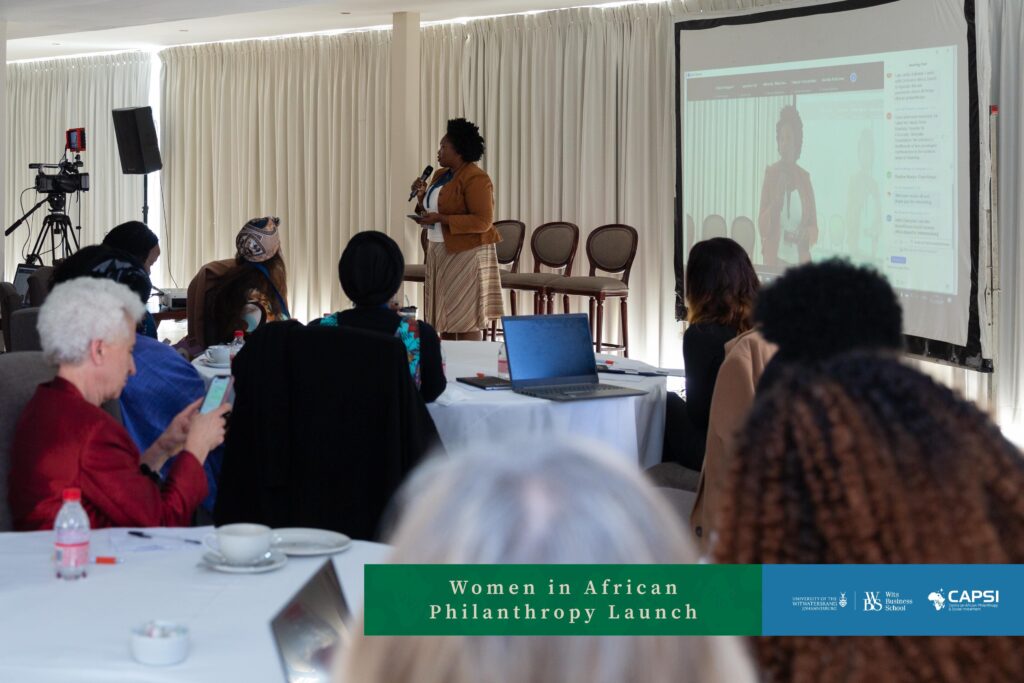
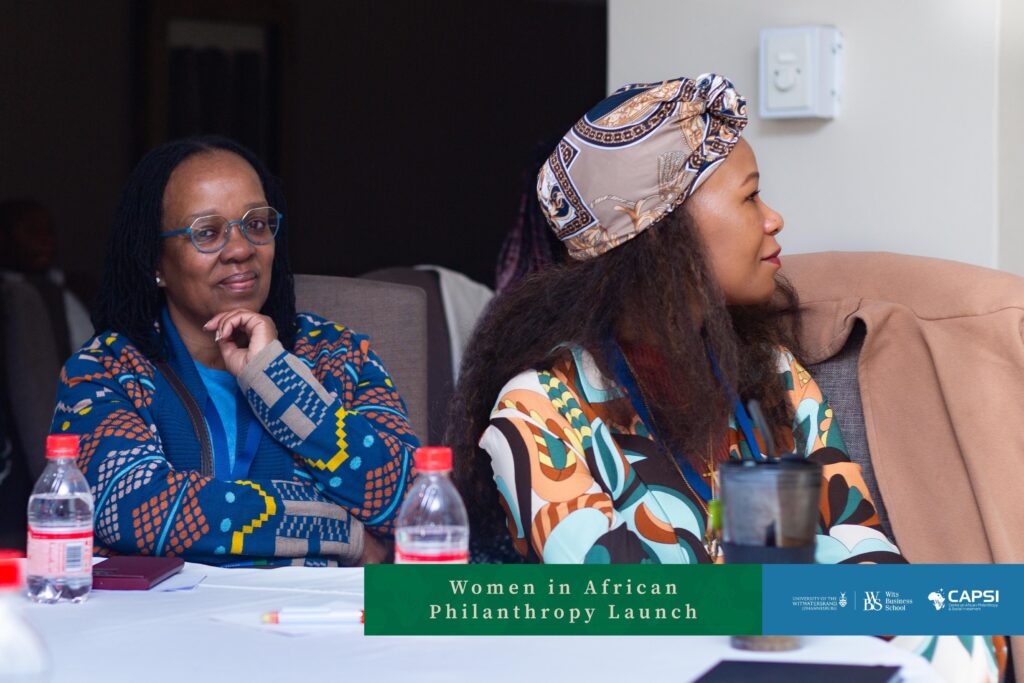
The team is still striving to be one of the best on the African continent. 2023 presents an opportunity to continue meeting the Centre’s goals and mandate, while also improving its deliverables and discovering innovative ways to improve its projects and programmes. The launch of the Women in Philanthropy project is one of the things to look forward to – this is one of the initiatives that the Centre intends to launch in order to bridge gaps in research and gender on the African continent.
Click play to watch a summary video of the Aspire Higher Final Judging event.
https://youtu.be/8R7PtDakcJc
Thandi Makhubele is the Programme Manager at CAPSI. She holds a Master’s in Security with a focus on Philanthropy and Women’s Development. She is a CUNY 2022 International Fellow of the Centre on Philanthropy and Civil Society Emerging Leaders Programme.
Reflecting on 2022: Customised Masterclasses
By Dr Keratiloe Mogotsi
On the short course’s front, 2022 saw a rise in customised masterclasses selected by various organisations to empower participants with one or two of our masterclasses, to strengthen their skills and knowledge in philanthropy. Since the beginning of the year, we have trained 106 delegates from organisations such as AROCSA, GiZ, East Africa Philanthropy Network and for the first time, 16 of these delegates registered through open enrolment for the Principles and Fundamentals of Fundraising masterclass. The masterclasses focused mostly on Fundraising (a popular selection from the organisations) and Venture Philanthropy. Sponsoring organisations were provided with an opportunity to highlight required key focus areas such as leadership and transition of NGO leaders for AROCSA, regional integration and mega projects fundraising for GiZ, and leadership/ fundraising for EAPN.
Towards the close of 2022, we anticipate training nine more delegates from the National Youth Development Agency (NYDA) in South Africa and Botswana Power Corporation (BPC). The faculty and guest speakers for the short courses are diverse and well-experienced in their fields, with three of these emanating internally and over five having industry experience from organisations such as Capital Idea, Africa Venture Philanthropy Alliance and the Southern Africa Trust.
Two customised webinars were held for clients AROCSA and GiZ, and one public webinar was held to spread awareness of philanthropy issues and the courses on offer. These webinars can be viewed on our YouTube channel where we also share a snippet of what you can learn in these masterclasses:
| Name of event | Link | Date | Type | No of participants |
| AROCSA Fellowship presentations | https://youtu.be/rR8l2XSfK-4 | 05 May 2022 | Online webinar | 18 |
| Africa Day | https://youtu.be/ec2AmNayIK8 | 26 May 2022 | Online webinar | 162 |
| GiZ Workshop on Regional Integration |
https://youtu.be/91G8MXa9uC8 | 26 April 2022 | Online webinar | 142 views |
Dr Keratiloe Mogotsi is a Lecturer at Wits Business School and serves as the Centre’s Director of Executive Education and Customised Learning. Her research areas include disaster philanthropy in Africa, venture philanthropy, African philanthropy and philanthro-capitalism in Africa.
Reflecting on 2022: Academic Programmes and Development
By Prof Jacob Mati
This year started off pregnant with hope and it has turned out well beyond our expectations. On the Academic Programmes front, we welcomed the first cohort of the Post Graduate Diploma in Management in the field of African Philanthropy and Resource Mobilisation, and are happy to report that we now have the first graduates in this programme. The successful delivery of this programme involved the contributions of multiple individuals and institutions that include lecturers, examiners, programme administrators, curriculum developers and reviewers. This programme is now fully accredited as Post Graduate Diploma in African Philanthropy and Resource Mobilisation. This process and outcome would not have been a success without the valuable partnership of the Inyathelo Institute for Advancement.
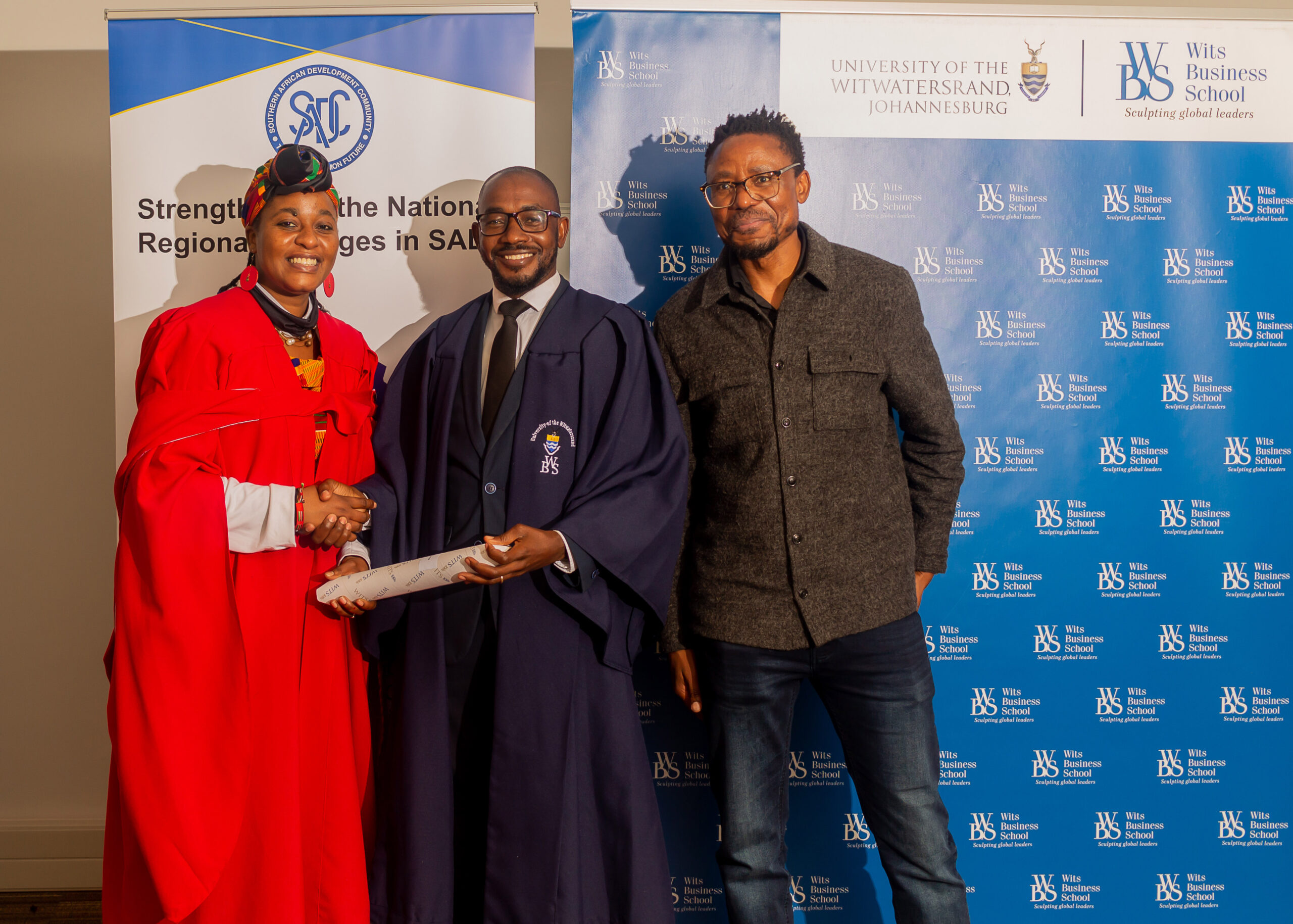
The year also saw two of our PhD students graduate as newly minted doctors – please join me in congratulating Dr Dennis Osiei and Dr Wycliffe Nduga Ouma. The PhD programme welcomed three new students who are progressing well in their doctoral studies. Several legacy PhD students also went through proposal defence panels successfully and are at the various stages of data collection and write-up. One of the ways that CAPSI provides support to PhD students is through PhD methodology seminars, as well as mobility grants to attend conferences.
Our Master of Management in African Philanthropy programme (coursework and research report) was fully accredited in 2021. This is in addition to the Master of Management in African Philanthropy by Research. The inaugural cohort of this class has successfully completed four of their compulsory modules and are on course in their research projects. The highlight of their progress was that nine of the 11 students successfully defended their proposals at the school postgraduate committee panel and are now embarking on their data collection. We expect these students to successfully complete the remaining elective courses, while also concentrating on their research report writing. The success of this programme so far has relied heavily on the support of our partners, who helped in curriculum development and review, examination as well as reviewing and serving in the research proposal panels. Going forward, the remaining task is to appoint examiners for the research reports for these students to ensure a smooth transition to the examination stage, when they submit their reports.
With a view to ensuring that prospective students get relevant information about our programmes, we held multiple information events throughout the year, both formal and informal. We took every opportunity in conferences and other convenings to promote our programmes within this community. These include a session in the final judging of the Aspire Higher Competition, an exhibition table at the ISTR 2022 Conference in Montreal, and a session at the Fundraising certification training in Cape Town. The year also saw three of the CAPSI staff achieve certification in fundraising by The Fundraising School, University of Indiana, USA. This certification enables these three members to teach a similar course locally.
We look forward to updating and strengthening our curriculum, ensuring curriculum alignment and reinforcing programme coherence through a tailor-made workshop with all teaching staff in early 2023.
Prof. Jacob Mati is the Deputy Director of CAPSI and is responsible for development and implementation of Academic Programmes at the Centre. He has written and published extensively on civil society, volunteerism and philanthropy, and their intersections with development and governance, especially in Africa.
Academic Publishing Series: Workshop 2 Reflection
The Academic Publishing Workshop Series is a response to the perceived challenges faced by academics when writing, submitting, and publishing their work. In line with the Centre on African Philanthropy and Social Investment (CAPSI) theme of “The Year of Publication”, the workshop could not have come at a more opportune time. This series aims to provide expert advice on a broad range of topics and bring aspiring researchers into one room with publishing experts. One of its goals is also to assist early career academics in gaining insight into editorial processes and offer them an opportunity to engage the editors directly.
On Thursday October 27th, the second workshop of the Academic Publishing Workshop for Emerging Researchers was hosted. The purpose of this session was to explore various segments of publishing, to help ease the publishing journey for emerging researchers and academics. Included in this session were lessons on how to prepare academic papers for submission by Dr Sara Amin, the peer review process by Dr Jones-Odei Mensah, preparing
manuscripts for publication and online publishing by Dr Linda Fick. Lastly, the workshop explored the challenges and opportunities for new researchers on the publishing journey that was presented by Dr Emmanuel Quaye.
Chaired by CAPSI’s Digital Publisher Xolani Dlamini, the session welcomed academics and emerging researchers from different fields who joined in to gain lessons from the presenters while improving their publishing experience. Xolani added that one of the challenges that publishers face is when researchers do not understand the work that happens behind the scenes and the importance of quality control when it comes to ensuring the optimization of their article on online journals.
Synthesizing and concluding the workshop was Prof. Imhotep Alagidede, Editor in Chief of the International Review of Philanthropy and Social Investment Journal, who quoted how ‘the world of publishing requires one to continuously learn, invent and re-invent oneself’. Prof. Imhotep further encouraged attendees by expressing how rejection is inevitable in the game of publishing, but how that should not deter them from their journey.
“There are many benefits of being an academic, you are able to teach what you are passionate about, mentor students, freedom of how you manage your time, and you get to travel”, stated Dr Quaye in his motivation for why we need more academics. The Centre of African Philanthropy and Social Investment will host more workshops that will cater to the diversity of the researcher community. Subscribe to our newsletter to be alerted.