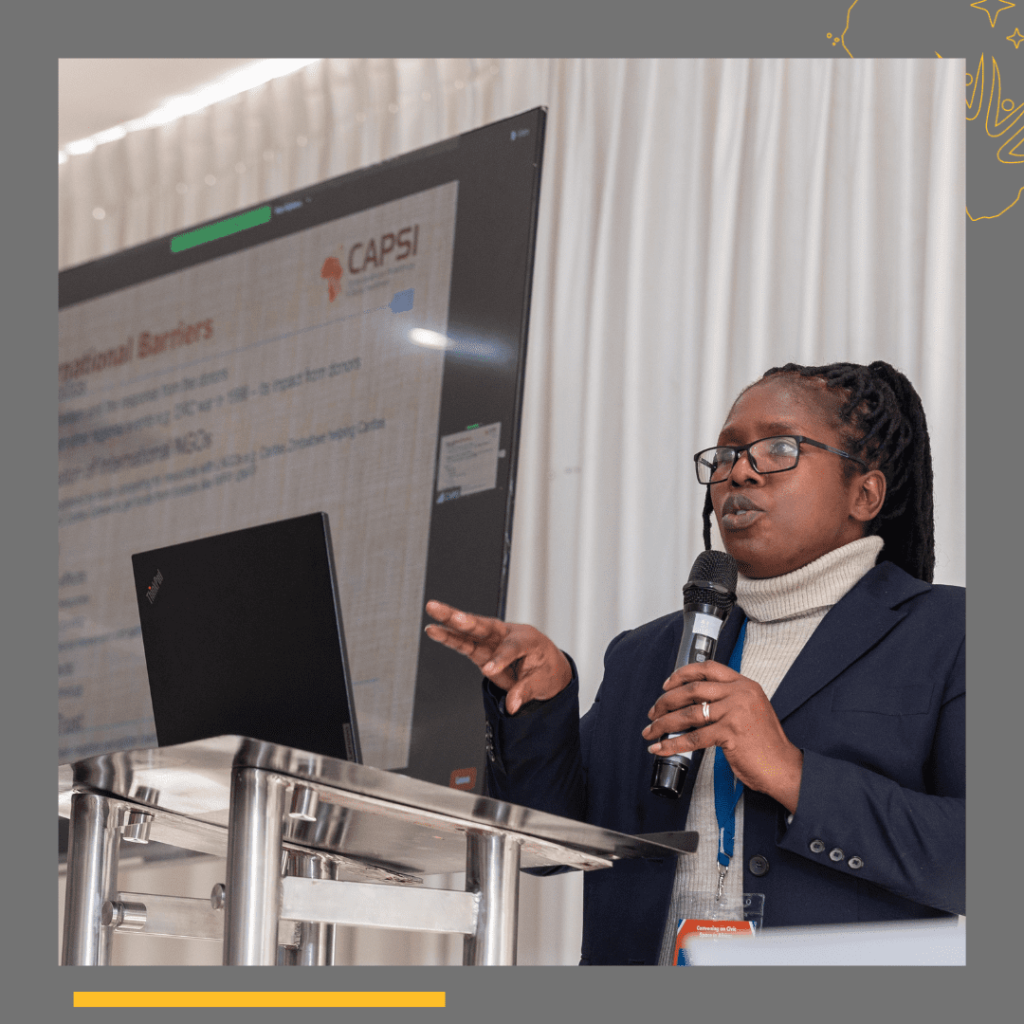
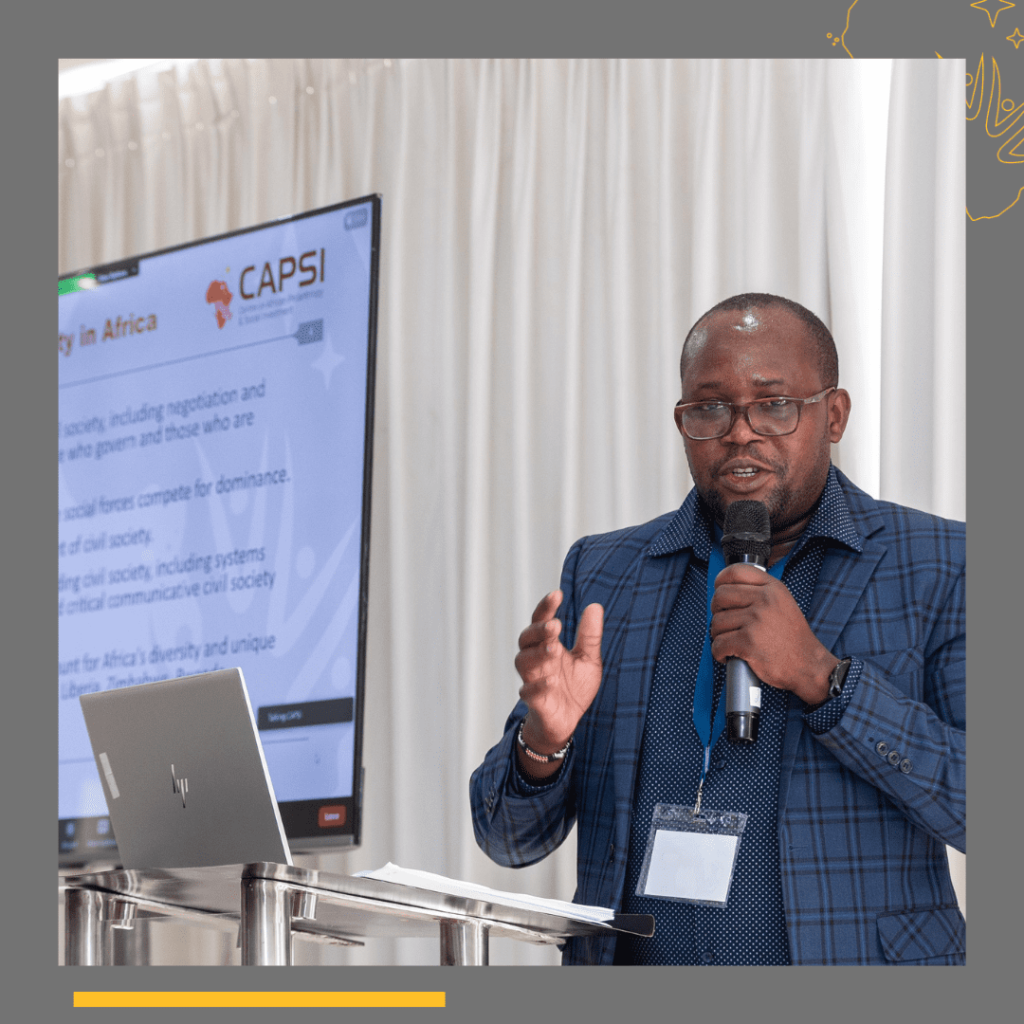
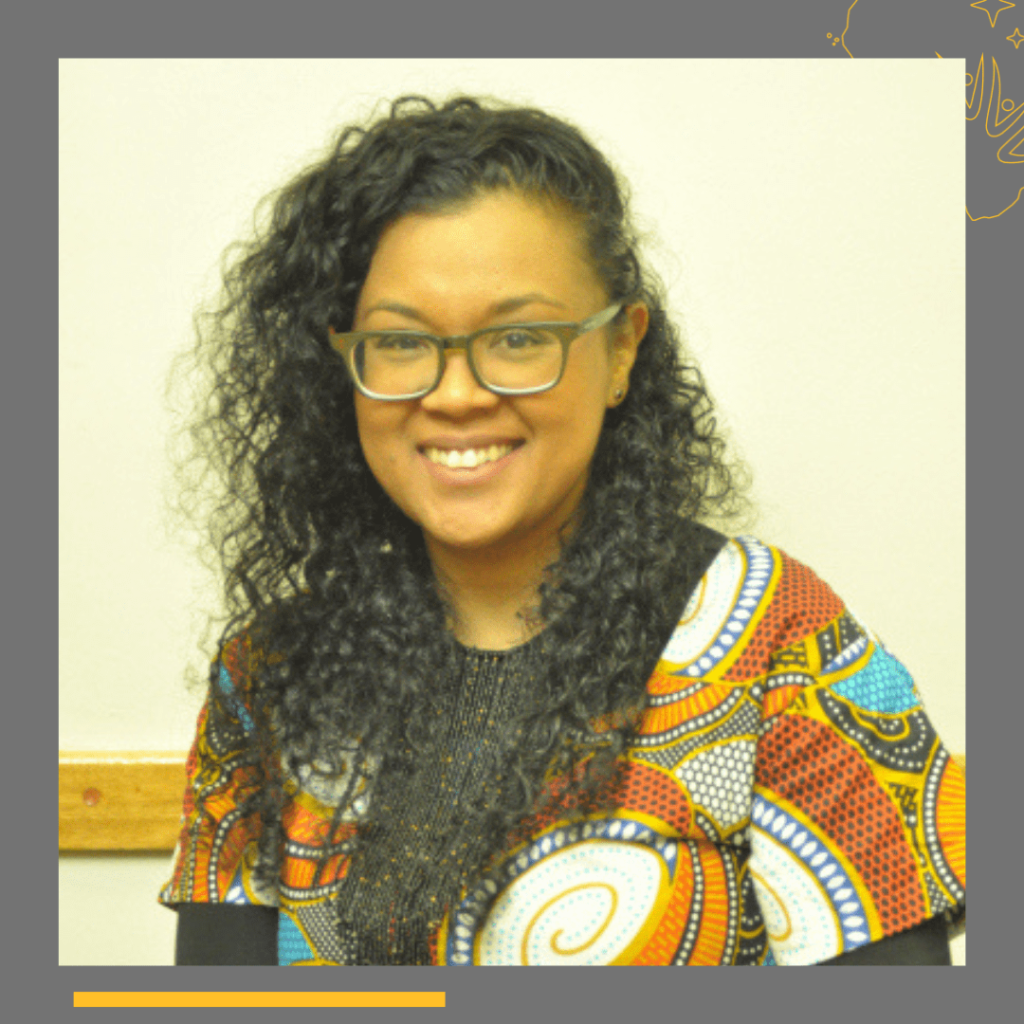
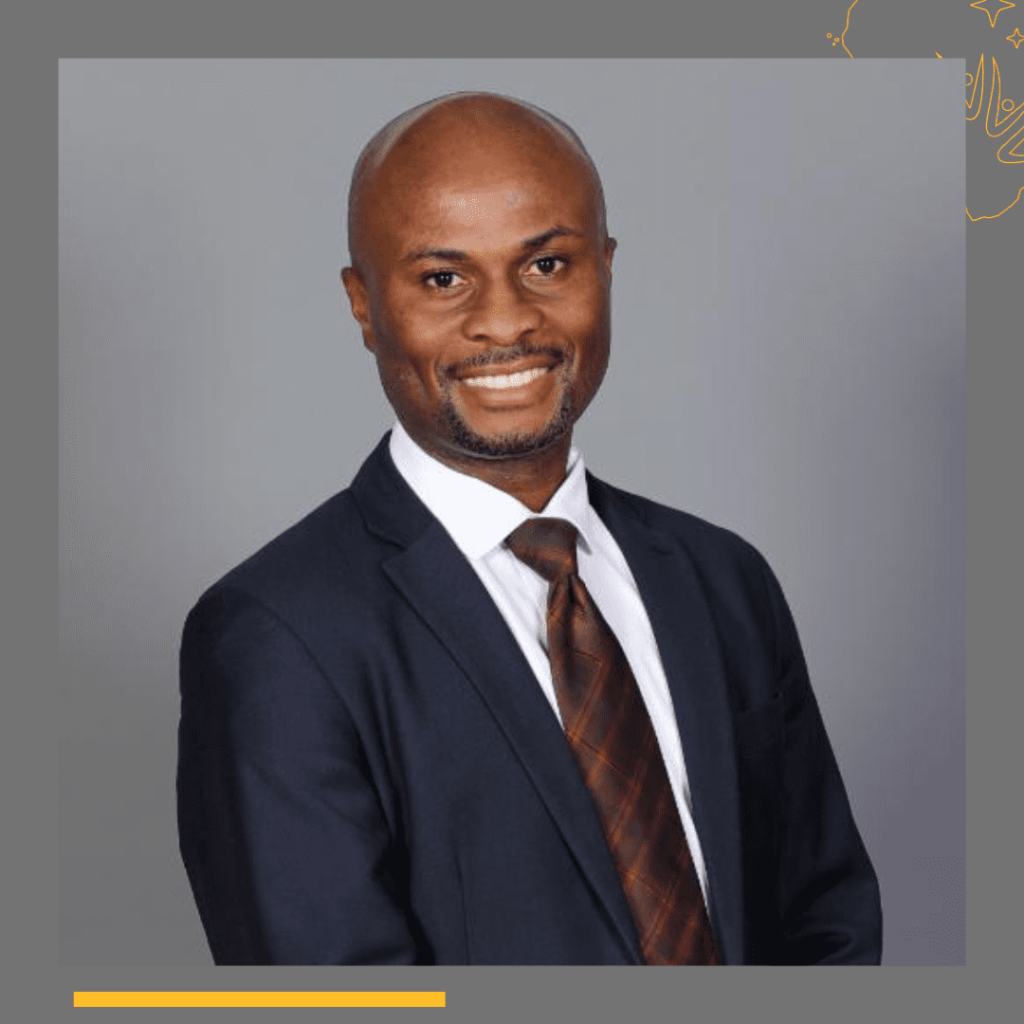
Women in African Philanthropy Initiative

Playlist

6 Videos


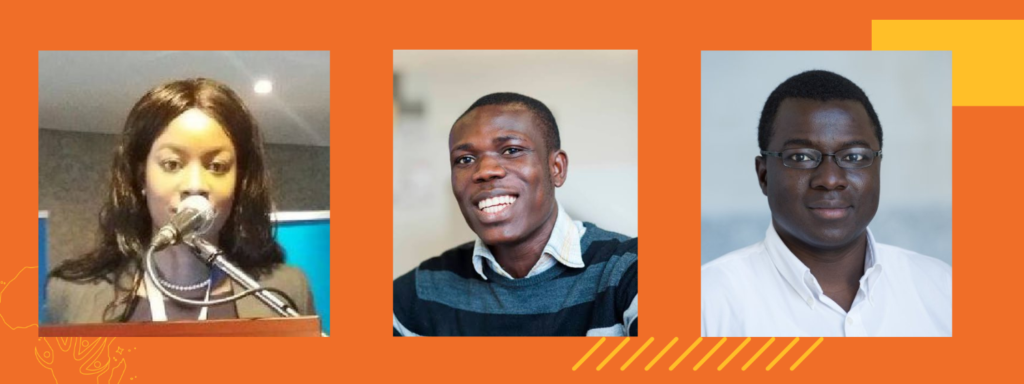
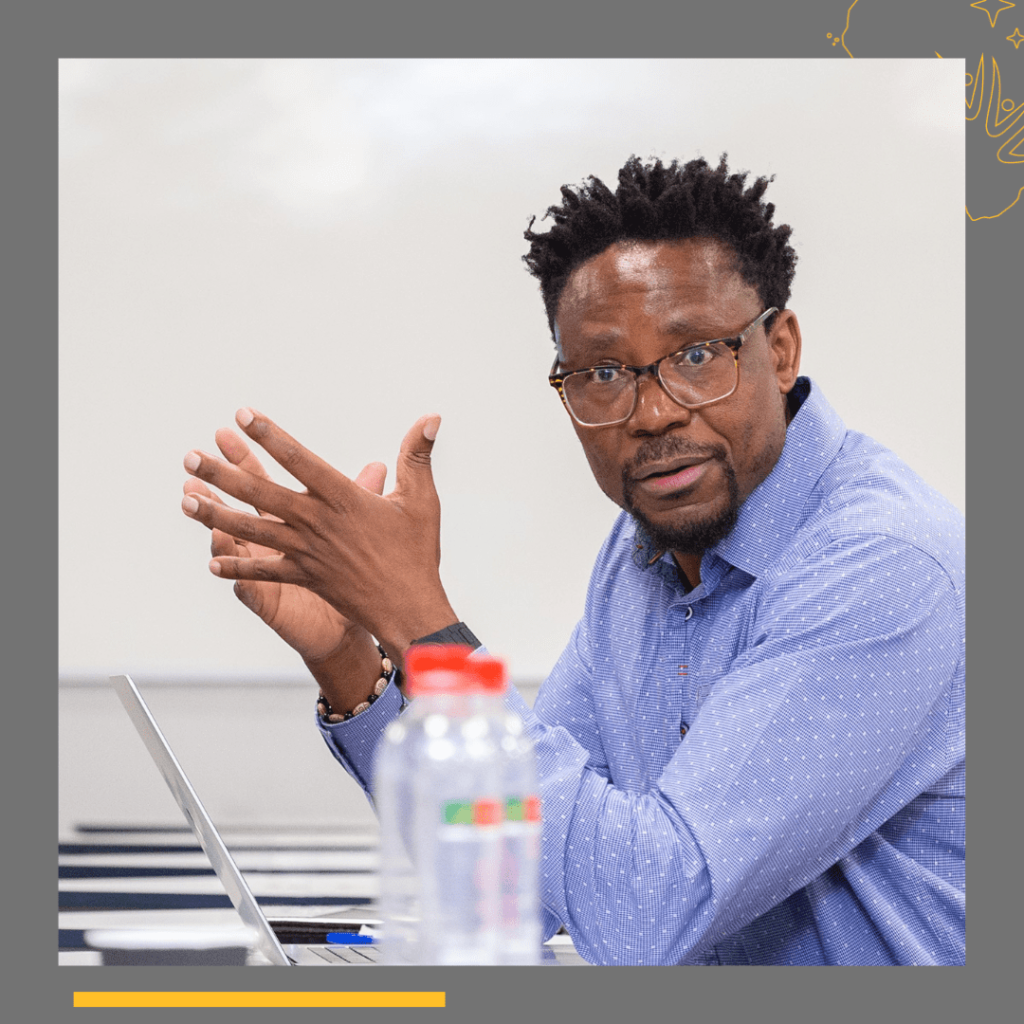
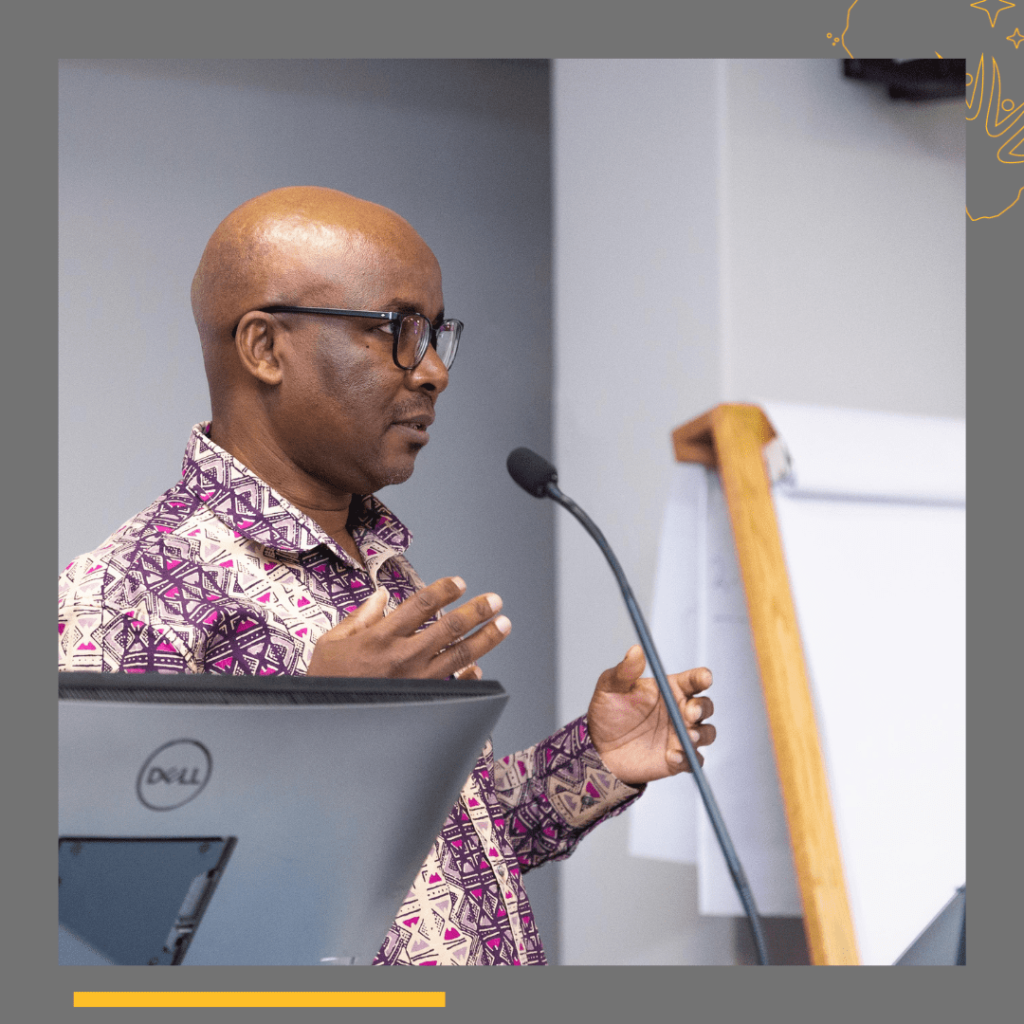
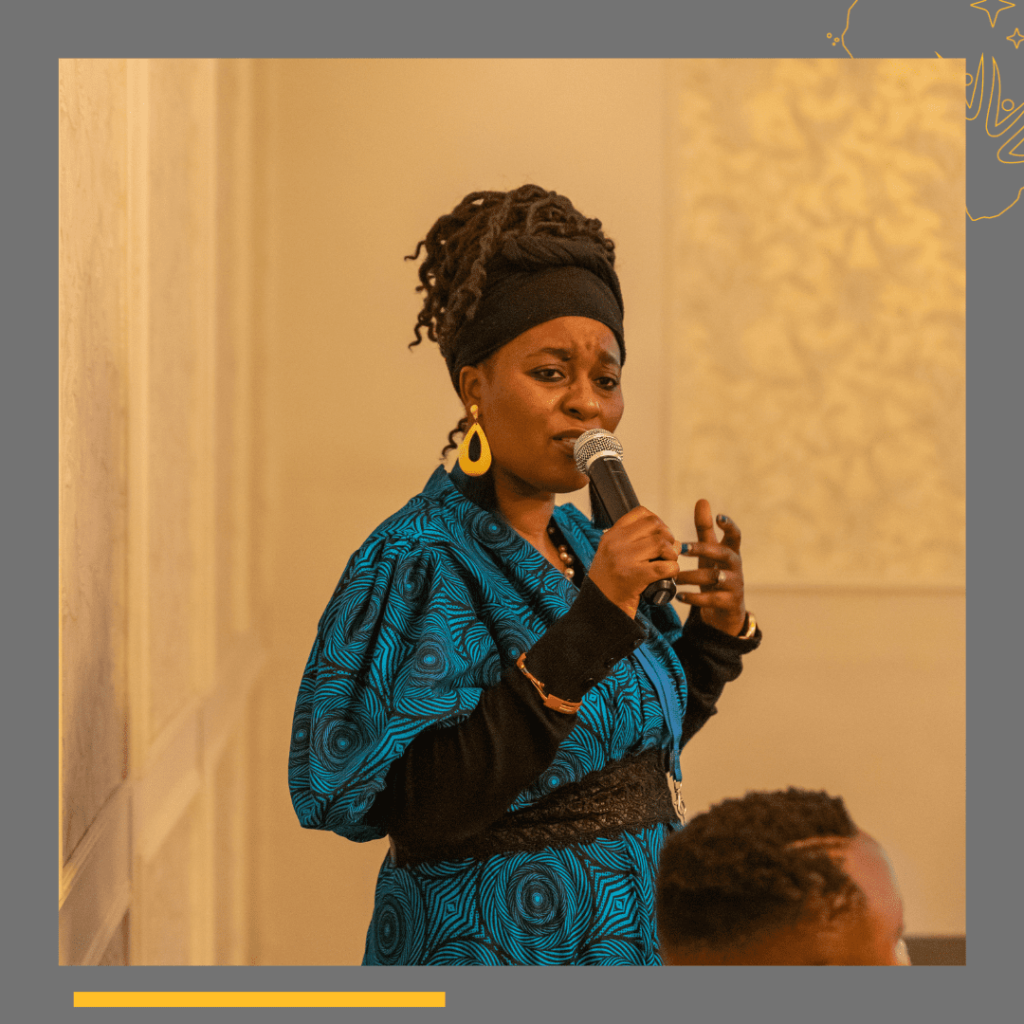
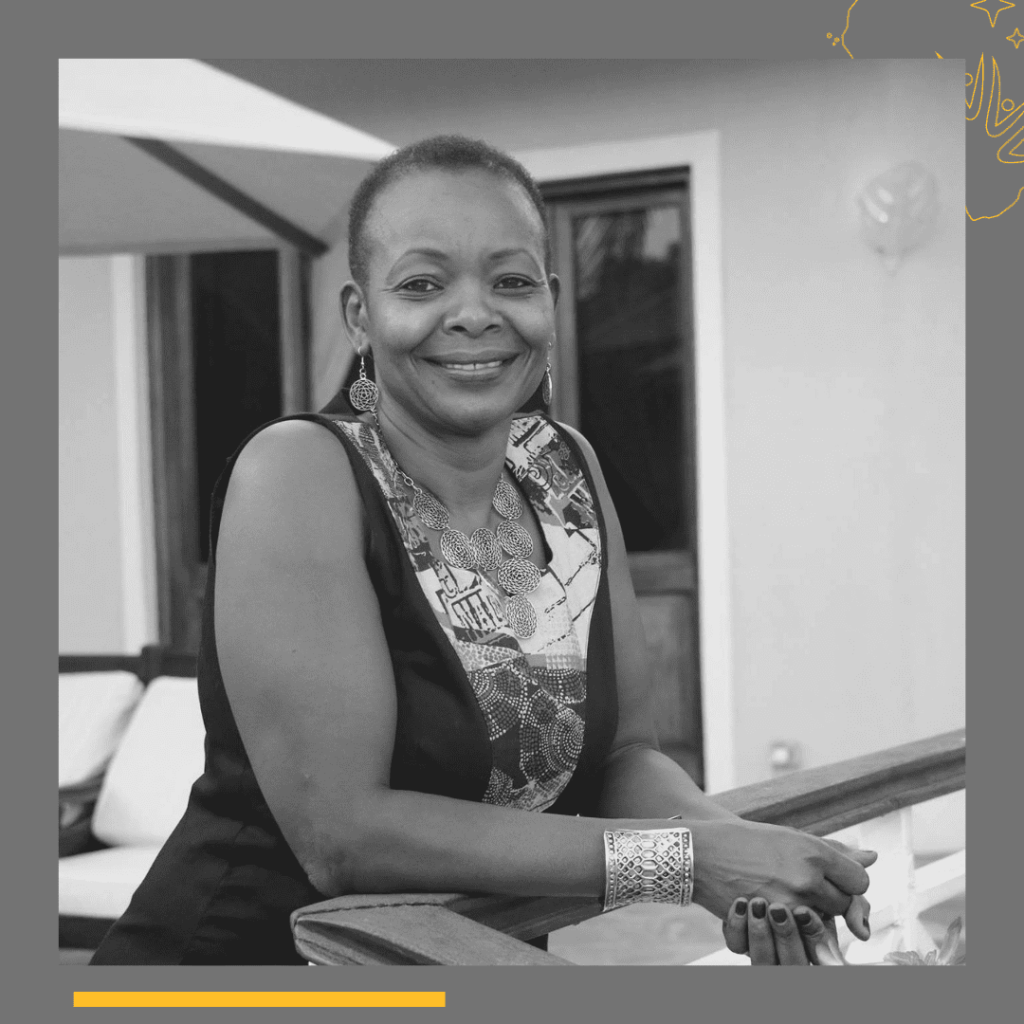
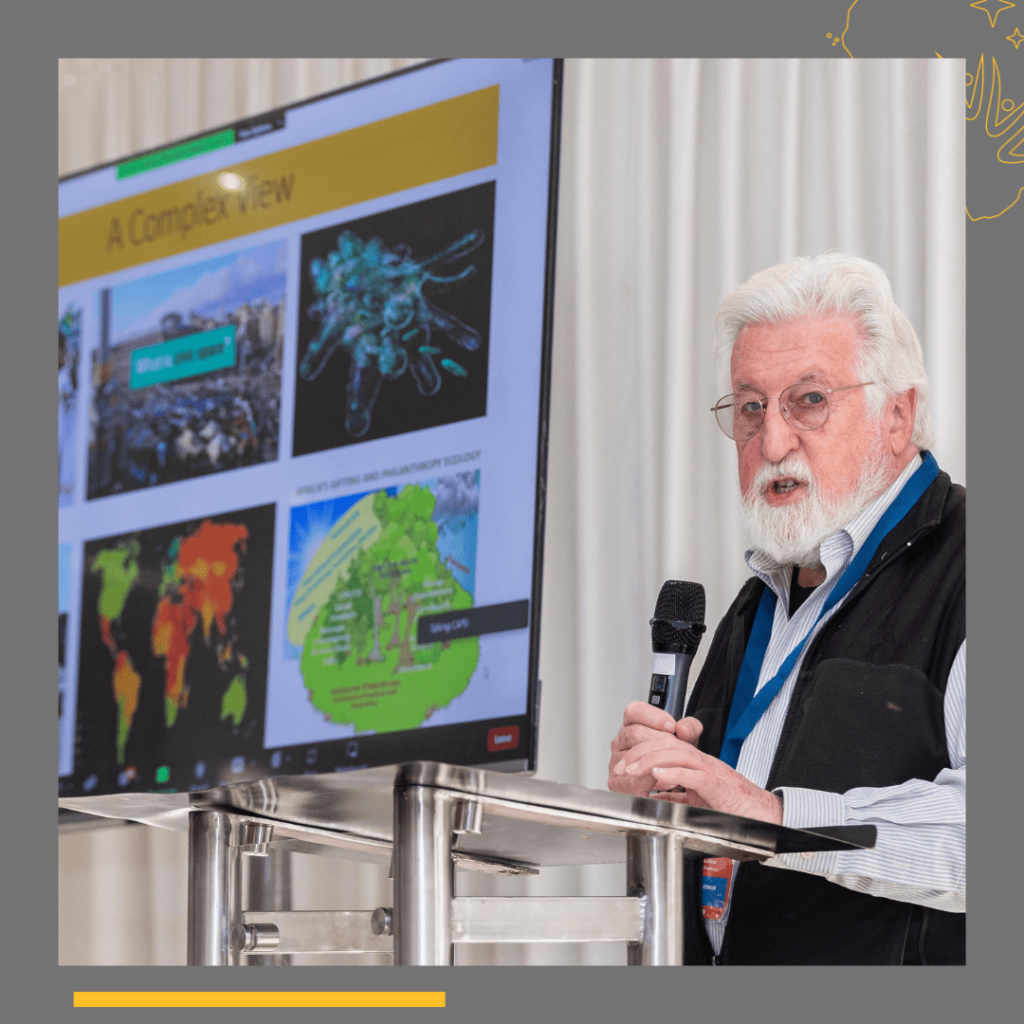
Jenny Hodgson


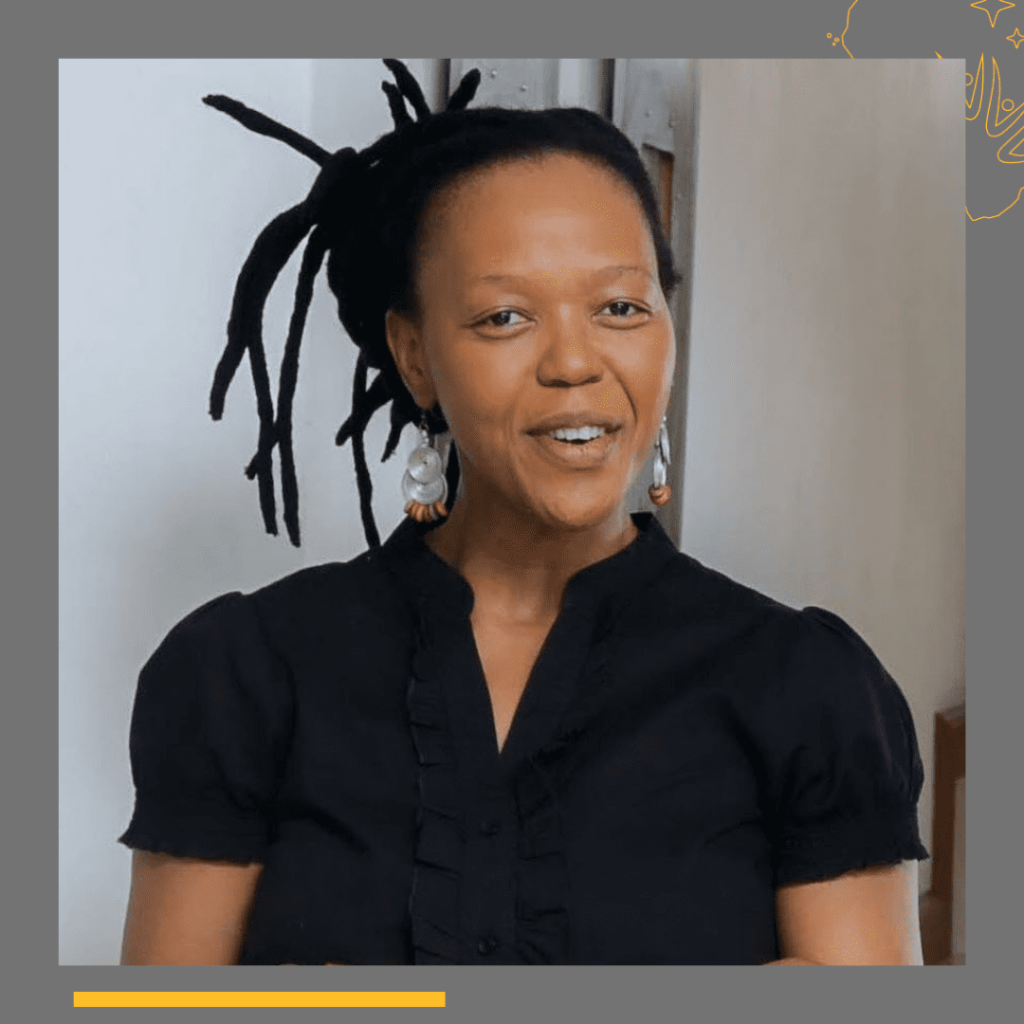
Lerato Mashianoke


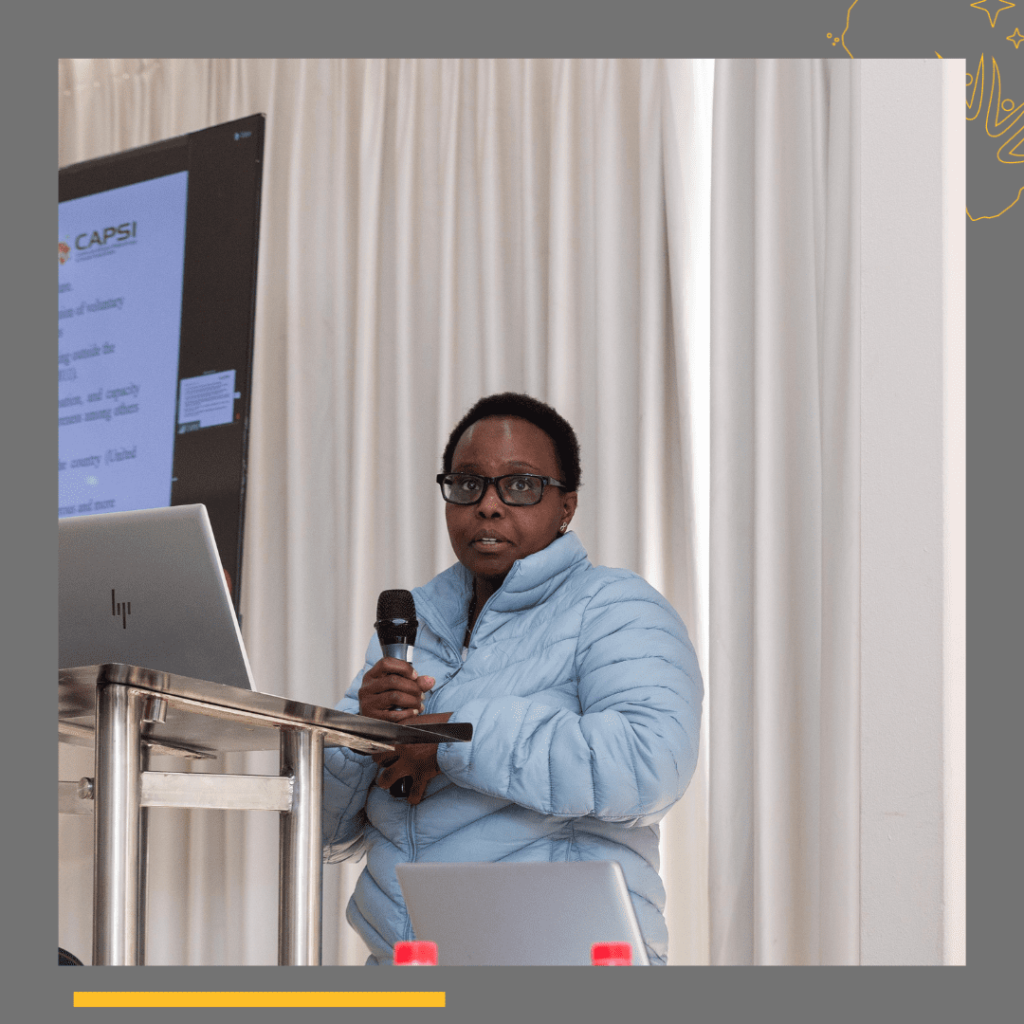
Halima Mahomed


Bongi Njobe


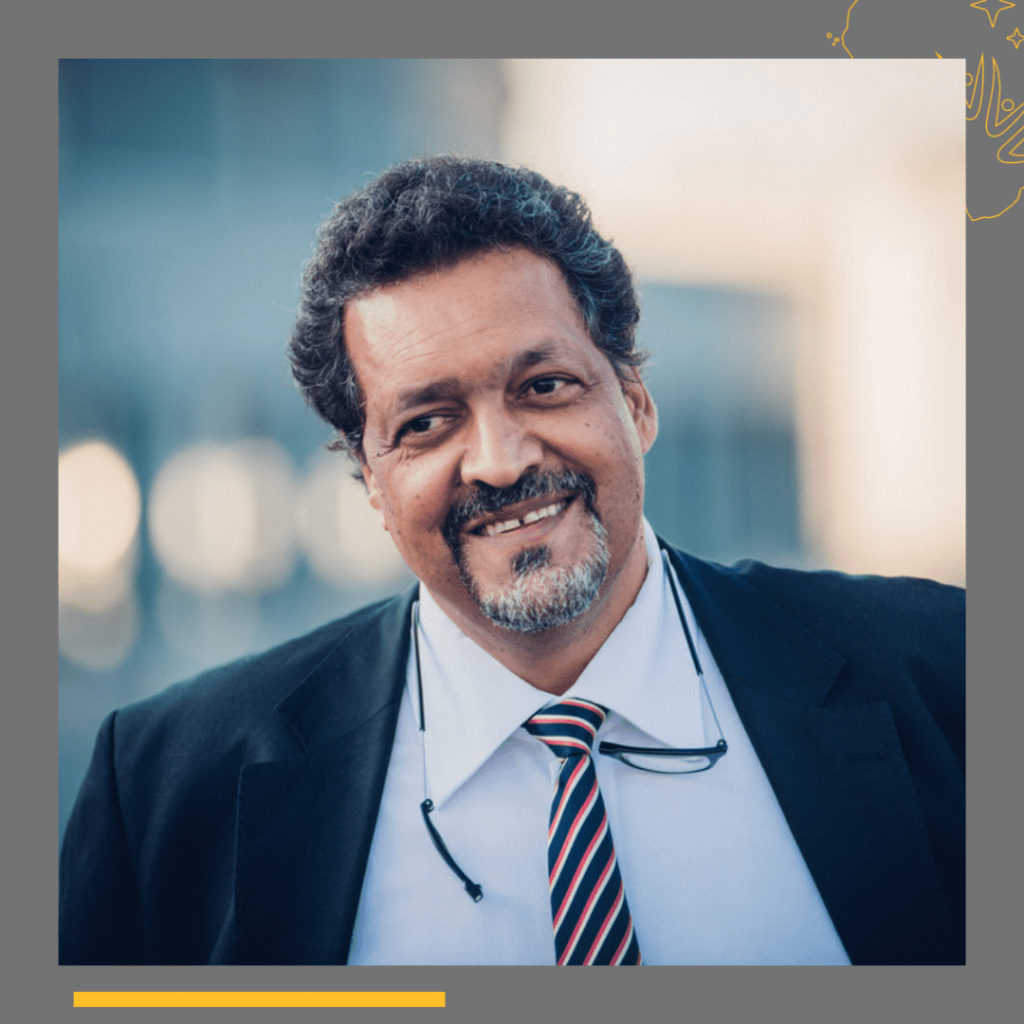
Barbara Ibrahim


Thandi Makhubele

Women and women-led organisations continue to make a positive impact in underdeveloped communities, however women’s contributions are frequently overlooked, particularly those at the grassroots level that strive to raise critical funds and resources to improve their communities.

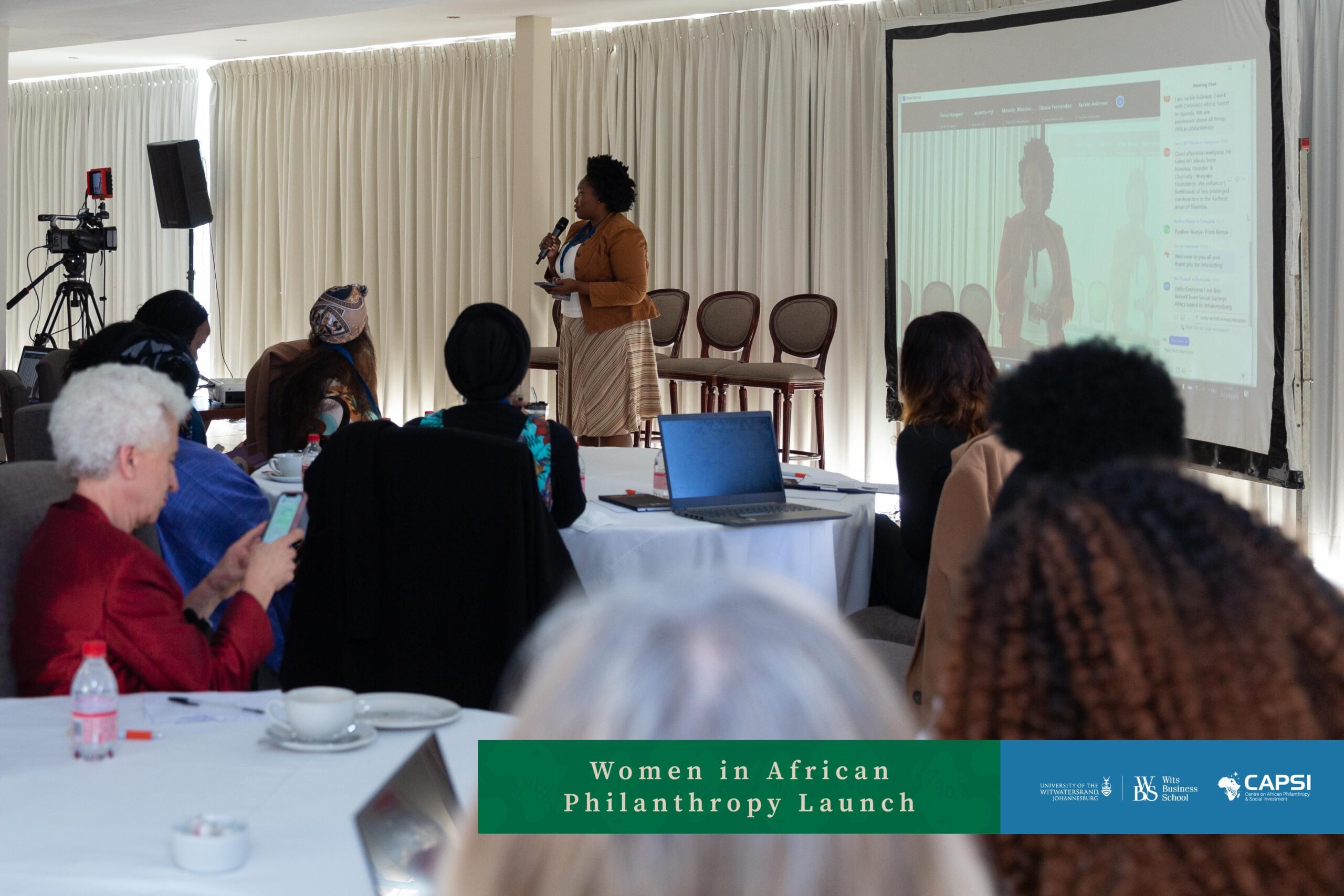
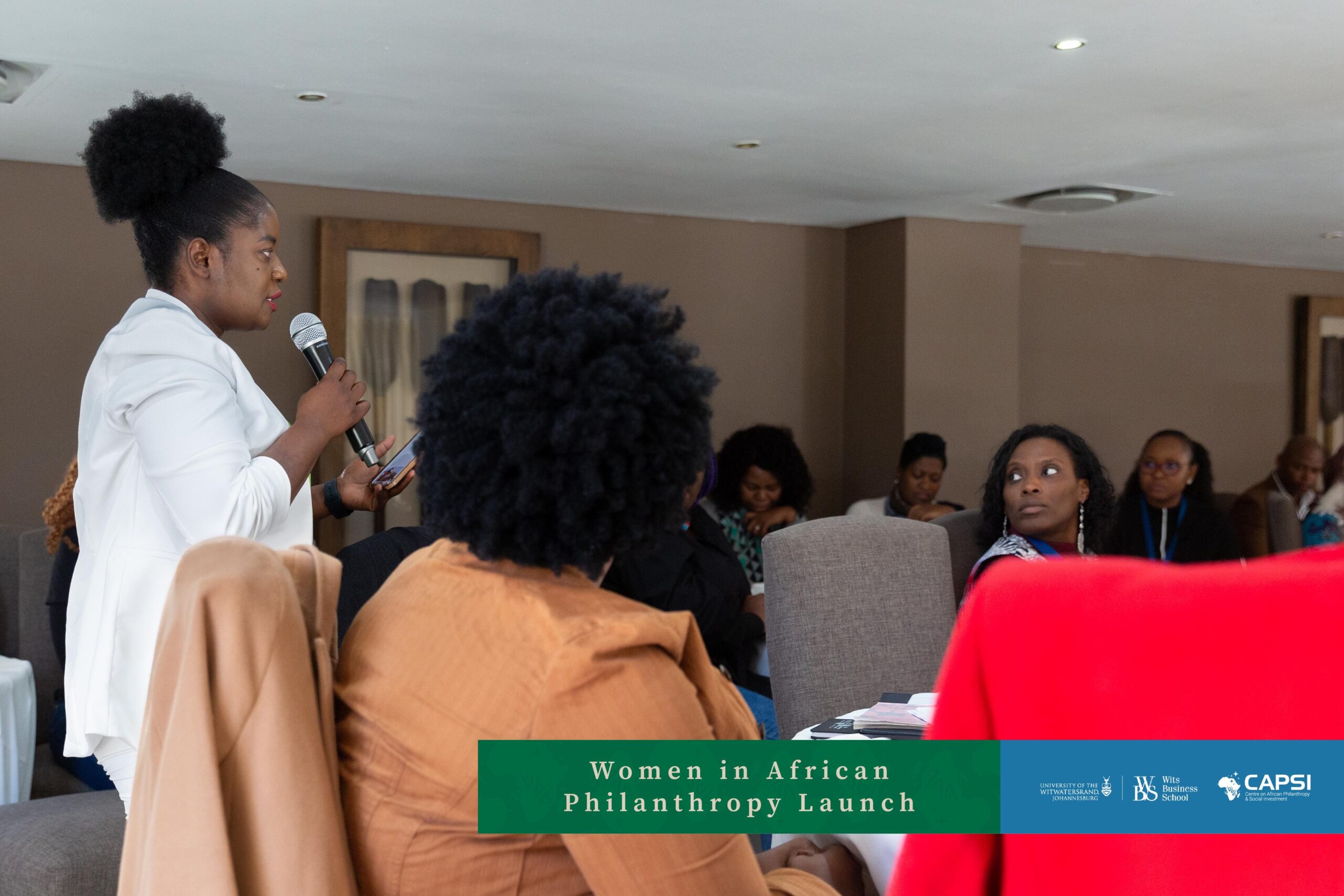
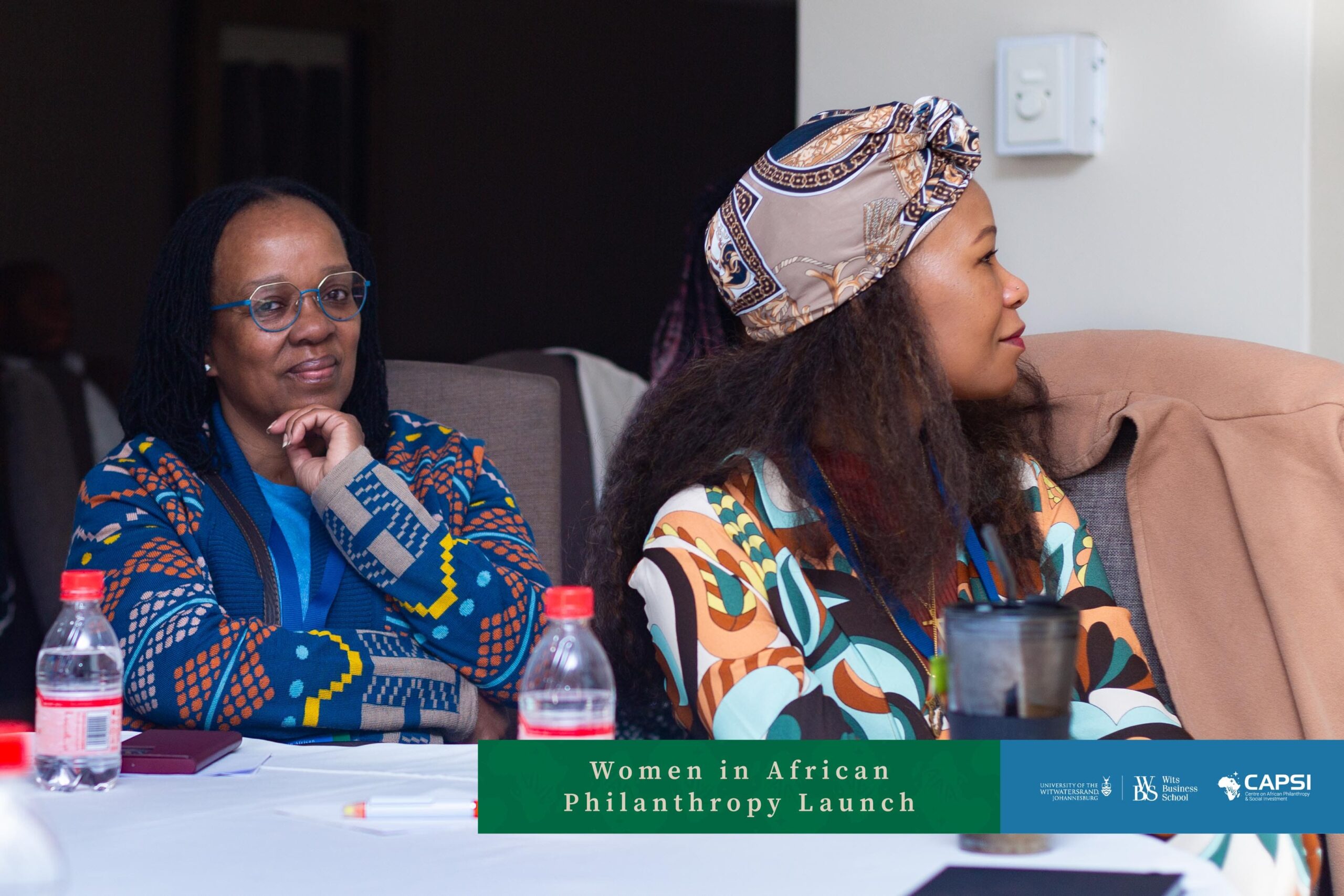
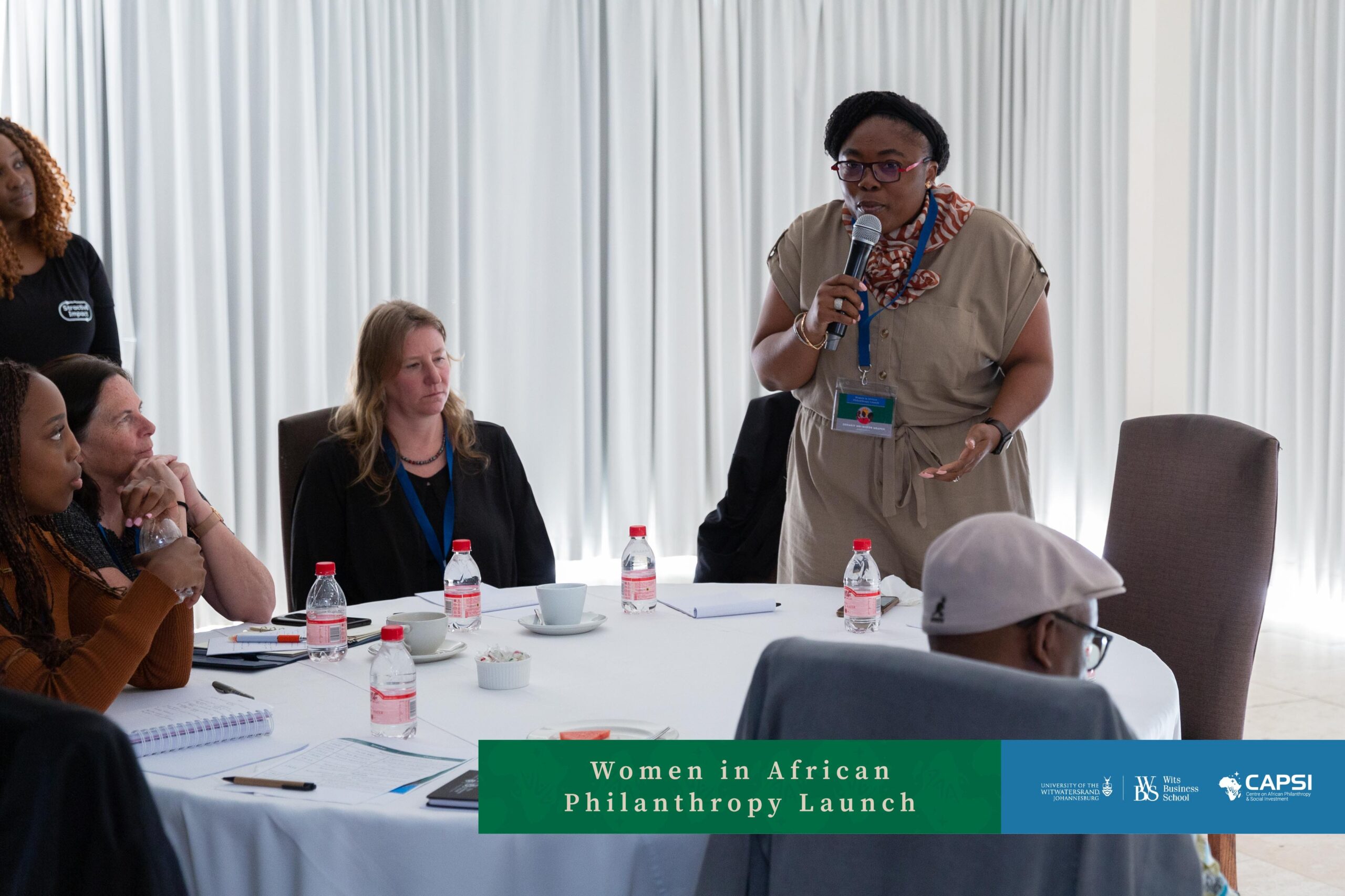
In response to the need for deeper and contextual knowledge, and to foster enabling networks using this knowledge, we have launched the Women in African Philanthropy Initiative as a vehicle where we will learn from and celebrate the historic, modern and emerging role that women play in philanthropy in the continent. This project is intended to give African women a platform to define and conduct their giving in their own way.

The Initiative will commission research and host engagement programmes and platforms that elevate women’s philanthropic participation across the layers of class, language, race, religion and nationality. Women in philanthropy from across the continent will be brought together to form a network and a space where their agency is respected and recognised, where they can interact and learn from each other, and where they can access opportunities to scale up their programmes and projects.

One of the Initiative’s projects will be to establish a hub that will heighten the visibility of women by bridging the gap in research and facilitate collaboration and networking for women’s giving circles. The hub will provide a platform for women to share their vision, work and strategy orientation among others.

Programme Manager Thandi Makhubele says, “The project is a powerful initiative that seeks to empower women as leaders and change-makers in Africa. We aim to build a more equitable and just society for all through our research, networking opportunities, and support for women-led initiatives. We believe that when women come together to give, they have the power to transform their communities and create a brighter future for generations to come. We invite all who are interested to join us in this important work.”

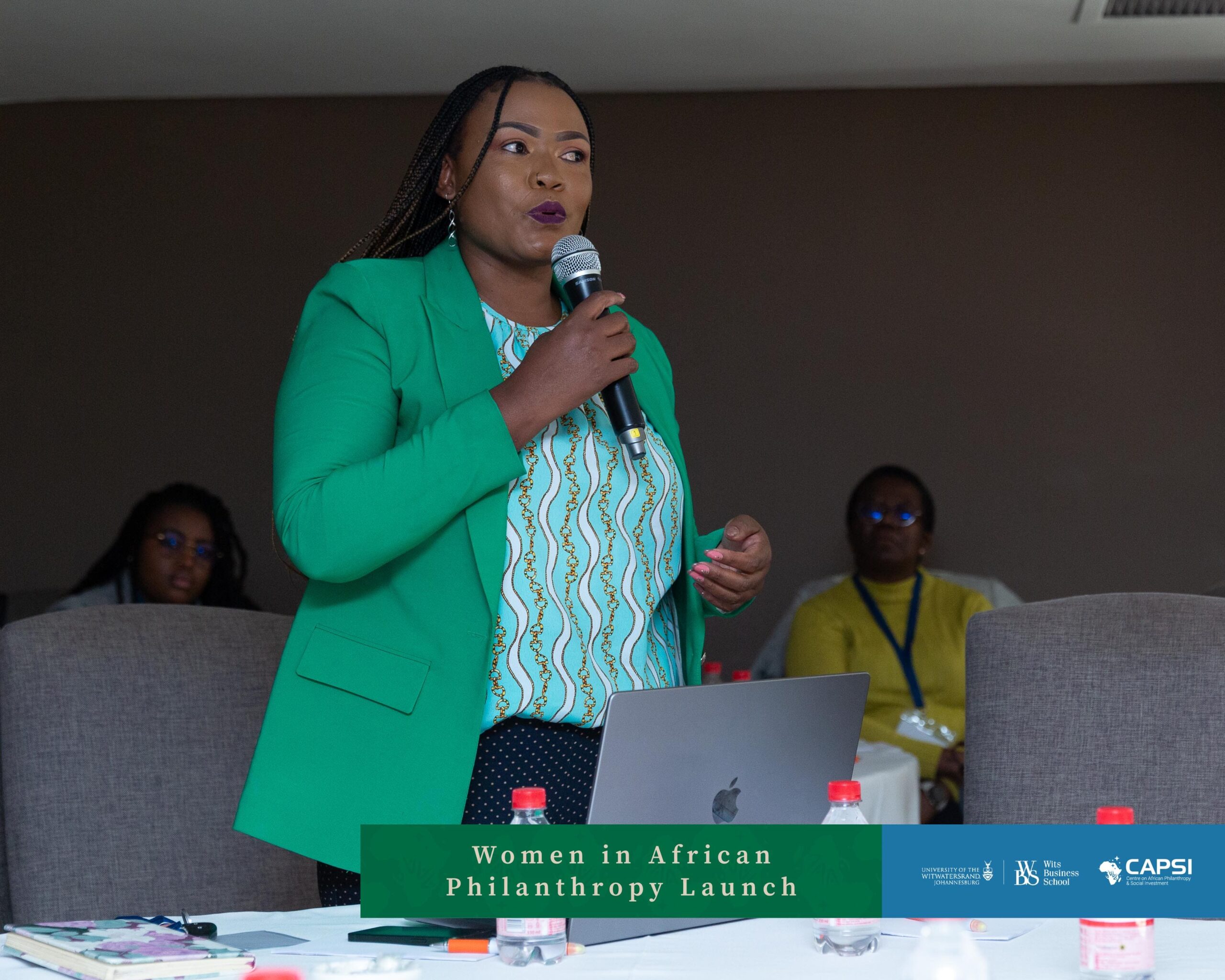
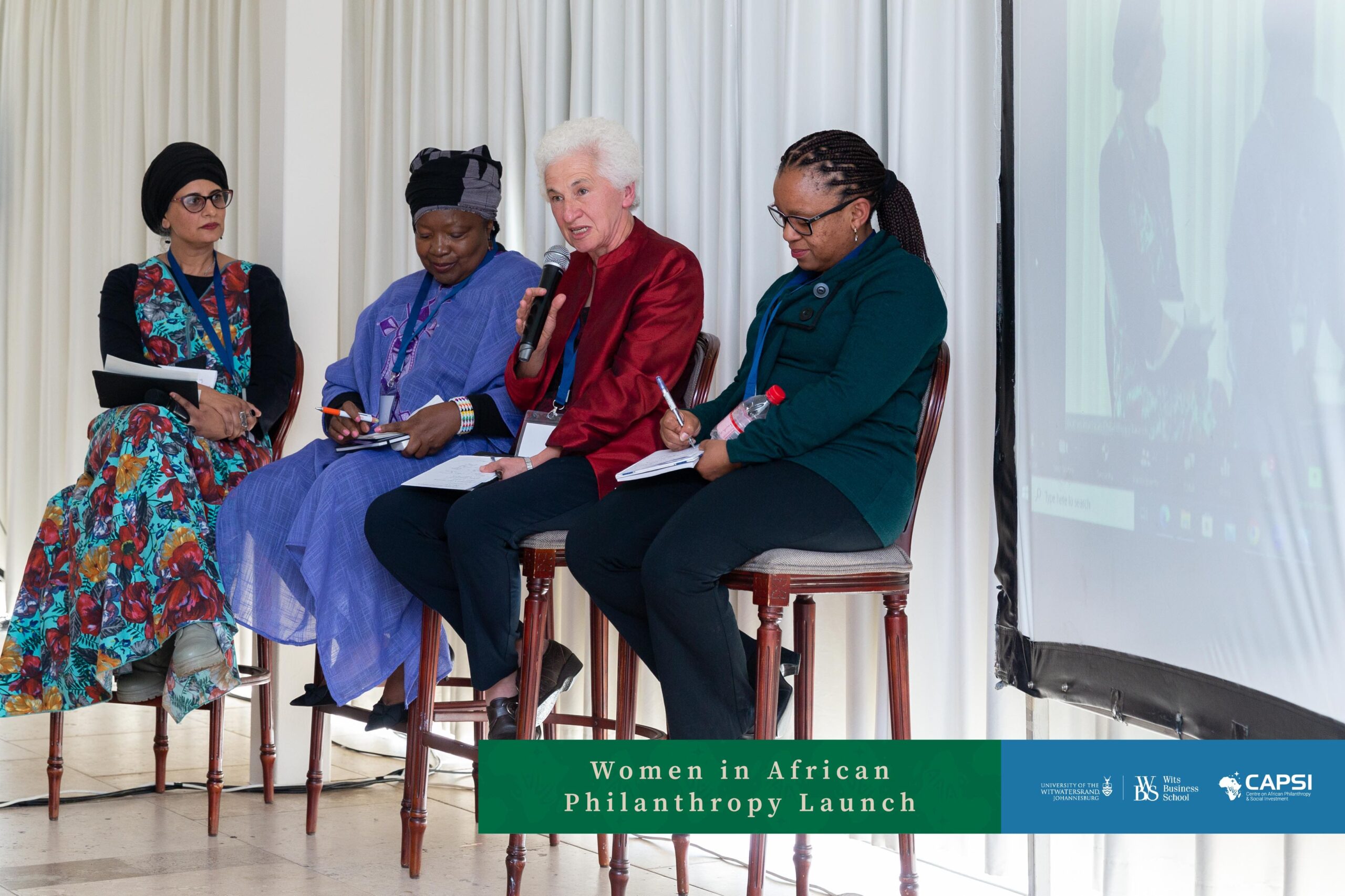
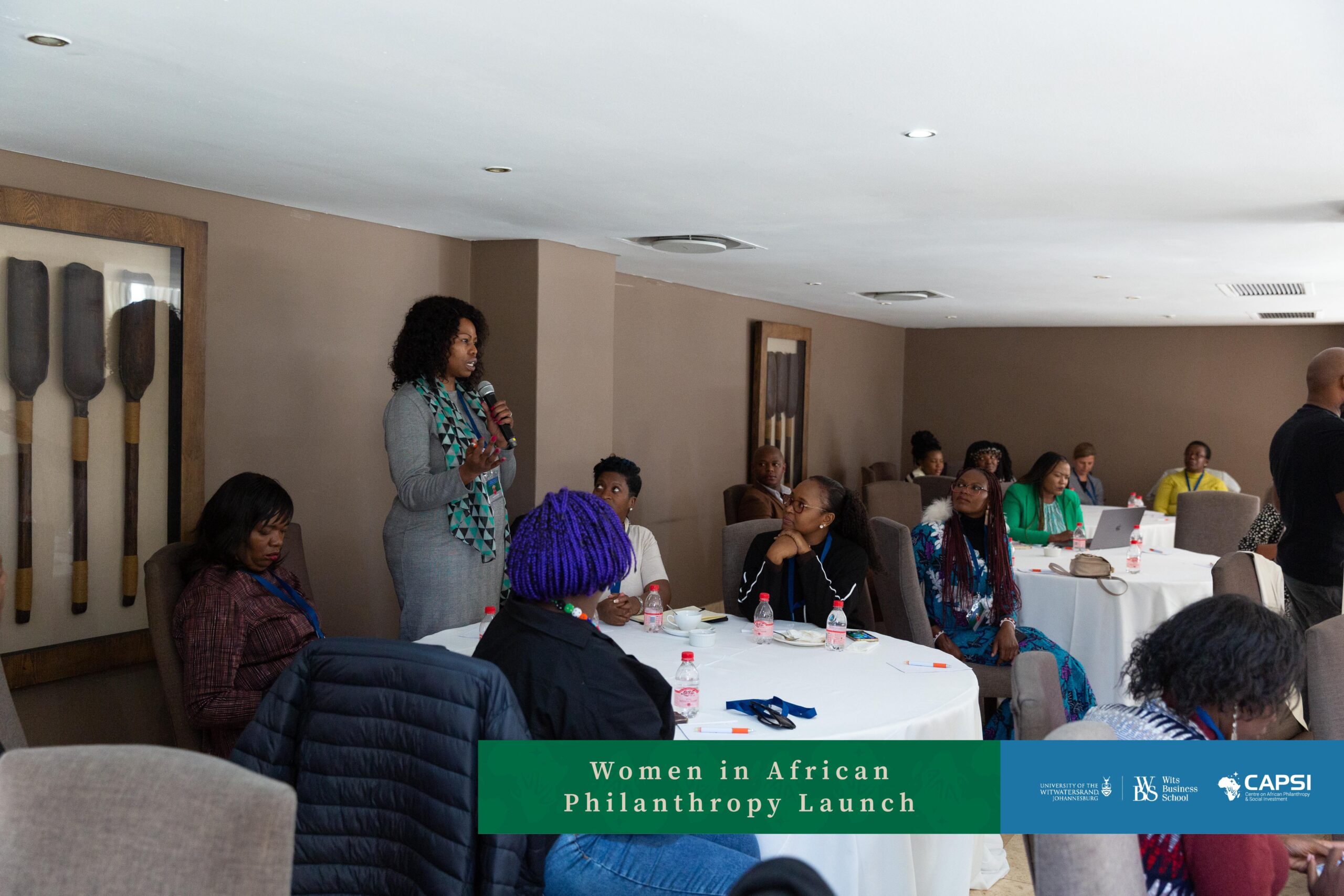
The launch of the initiative took place on Monday 29 May as a hybrid event. Click here to read the reflection of this event, and to watch the recording.

We are grateful to the women who generously shared their messages of solidarity to the vision of the Initiative. Click here to listen to these messages.


Research Report Spotlight Series

During the month of March, our Research and Publications portfolios launched the Research Report Spotlight Series. This is a platform for researchers and the broader academic community who write about new narratives of African philanthropy and social investment to unpack the findings of their research and interact with a community of practitioners and academics who have an engaged interest in the topic. 

It is our way of bringing voices together in the academic community to contribute to its growth and the knowledge building of African Philanthropy Studies.

The first edition offered attendees a deeper insights into High-Net-Worth Individuals in various African countries namely, Liberia, Sierra Leone, Lesotho, Eswatini, Malawi, Namibia, Mauritius, Zimbabwe and South Africa through studies conducted by research report authors Tendai Murisa and Asabea Ahwireng-Obeng


Watch full recording of edition 1

This series is a regular feature that will take place on the third Thursday of each month. We invite you to save the below dates and register for the relevant edition.

  • 20 July
  • 17 August
  • 20 July
  • 21 September
  • 19 October

Meet some of our Associate Researchers


asabea ahwireng-Obeng


Emmanuel Kumi


Arsène Brice Bado

Asabea Ahwireng-Obeng

Asabea is a Finance and Investment scholar, with special interest in Bond Markets in emerging countries on the continent. This was the focus of her PhD research which she successfully defended at Wits University in 2016.

How did your association with the Centre start?

“My interaction with CAPSI began with my role as an assistant to Professor Emeritus Frederick Ahwireng-Obeng, who was the consultant charged with preparing the syllabus for the Postgraduate Diploma in Philanthropy at the Centre. This was a challenging task that required a lot of reading on philanthropy in general and relevant courses offered by leading institutions worldwide. By the end of the assignment, which was assessed by local and international stakeholders, I had become not only well drenched in the subject but also particularly interested in the philanthropy-finance and investment-African development interfaces. Since I started working with CAPSI, I have expanded the scope of my research interests to include philanthropy and development. This has resulted in some of my work being published in prestigious international journals. One of my studies, titled “Macroeconomic determinants of sovereign bond market development in African emerging economies”, was published in the International Journal of Emerging Markets and the Journal of African Business. I have three papers published by the Centre and I accept frequent requests from continental journals to serve as a reviewer.”


How are you using the experience gained in your own country?

“I am currently involved with a newly established international educational NGO whose research and consulting interests in philanthropy-related themes on Africa complements my work at CAPSI. I am also working on three papers for co-publication with Professor Ahwireng-Obeng. My interaction with the Centre has elucidated the intricate and unique roles that philanthropy plays in finance and investment. I have since developed a deep appreciation of the discipline; particularly where African development is concerned.”

What advice would you give someone looking to get into the philanthropy and development sector?

“My advice to anyone contemplating working in the philanthropy and development areas is that the prospects are great but will require an entrepreneurial mindset that is willing to explore and innovate.”

Emmanuel Kumi

Emmanuel is Fellow at the Centre for Social Policy at the University of Ghana whose research interests are in African philanthropy, civil society organisations, NGO management, civic space, lobby and advocacy as well as the political economy of development. He holds a PhD in International Development from the University of Bath, United Kingdom.

Please highlight your journey where African philanthropy is concerned.

“My research has focused on civil society organisations and their resource mobilisation. I am interested in exploring how these organisations mobilise alternative resources, including African philanthropy, to ensure their short-term survival and long-term sustainability especially in countries experiencing a decline in external donor funding. My interest in African philanthropy is also informed directly by my association with CAPSI. I have been involved in research projects on African philanthropy such as mapping African philanthropic organisations and the role of African philanthropy in responding to COVID-19 and development goals in Africa.”

How has your association with CAPSI helped you in this journey?

“My association with the Centre has created an opportunity to network with other scholars working on African philanthropy and civil society organisations in general. This helps in sharing knowledge and ideas on the subject.”

How are you ploughing back the knowledge you have gained/are gaining in your home country?

“I have been leading some research projects and discussions that seek to promote knowledge on African philanthropy in the context of Ghana and other African countries. I believe this will help in contributing to the emerging literature on African philanthropy as well as information that is relevant in influencing policymakers and national development.”

What advice would you give someone looking to get into the philanthropy and development sector?

“Anyone interested in philanthropy should be motivated by passion.”

Arsène Brice Bado

Arsène is the Vice President for Academic Affairs and International Cooperation at the Centre for Research and Action for Peace (CERAP)/Jesuit University in Abidjan, Côte d’Ivoire where he also teaches political science and international relations. His research interests include democracy, ethnic pluralism, conflict analysis, forced migration, electoral processes in conflict-ridden societies, and philanthropy. 

Please highlight your journey where African philanthropy is concerned.

“My interest in philanthropy started when I was in primary school where I volunteered to raise funding for cultural and sporting activities. I continued to participate in fundraising activities in high school and university. But it was only during my master’s degree studies in Social Ethics and Theology at Boston College that I had the opportunity to take a course in communication and fundraising. This course allowed me to reflect on my previous fundraising activities and philanthropy. In 2010, I was appointed to lead the Jesuit Office of Development of the West Africa Province whose mission is to raise funding and coordinate communication toward actual and potential benefactors. In this capacity, I visited other Jesuit offices of development in different provinces in the USA and received practical training on how to communicate with philanthropists and philanthropic foundations. In addition, during my doctoral studies in political science and international relations, I researched on topics such as philanthropy, humanitarian aid, foreign aid toward developing countries, postcolonial states and development assistance, which led to my dissertation titled ‘Foreign Electoral Assistance as a Tool for Peacebuilding in Post-Conflict Societies’.”

What influenced your decision to work with the Centre?

“The fact that philanthropy is an important activity in most African societies. However, the subject remains largely understudied in academia. Most publications on philanthropy in Africa were produced by non-Africa-based researchers and research institutions. Therefore, there’s a need for African scholars to take the challenge of philanthropy in Africa seriously and share their own locally sourced research on the issue. I was excited to learn about the existence of CAPSI through the Carnegie Corporation of New York. To my knowledge, CAPSI is the only Africa-based research centre on philanthropy. Because of this, I am honoured to be a research associate for the Centre, and I hope to contribute to the research on philanthropy in francophone African countries.”

How does your professional role tie in with the Centre?

“CERAP is a teaching and research institution focused on social sciences. As such, philanthropy is a relevant topic for the institution. Undeniably, the practice has played an important role not only in alleviating human suffering, but also in socio-economic development, the evolution of science, and development of culture and the arts. Philanthropy has also emerged as an indispensable practice alongside the action of public authorities and private companies. That is why my work and research at CERAP is consistent with my commitment to my work at CAPSI. I hope that the Centre will help develop a research unit on philanthropy in francophone countries at CERAP to foster interest in the subject by francophone researchers.”

How are you using the experience and knowledge you are gaining in your own country?

“Thanks to CAPSI, I have undertaken an important survey on philanthropists and philanthropic foundations across five francophone countries: Burkina Faso, Côte d’Ivoire, Mali, Gabon and Chad. More importantly, philanthropy is now taught in my courses at CERAP, and students can write their papers on the topic. I hope that this will foster their intellectual curiosity where this subject matter is concerned and that a community of researchers interested in philanthropy would emerge in the coming years.”

What advice would you give someone looking to get into the philanthropy and development sector?

“My advice would be to take the specificity of each society seriously while dealing with issues related to philanthropy and development. As a phenomenon of society, the modes of expression and organisation of philanthropy are profoundly marked by the cultures of the societies in which they unfold. That is why several studies are needed to map out and understand philanthropic practices in diverse African societies to find the best ways to harness philanthropic practices for the development of our societies. Therefore, I encourage African researchers and policymakers to give more attention to philanthropy, which could be a way to take care of our problems using our own resources.”

Increasing SADC’s Resource Mobilisation capability

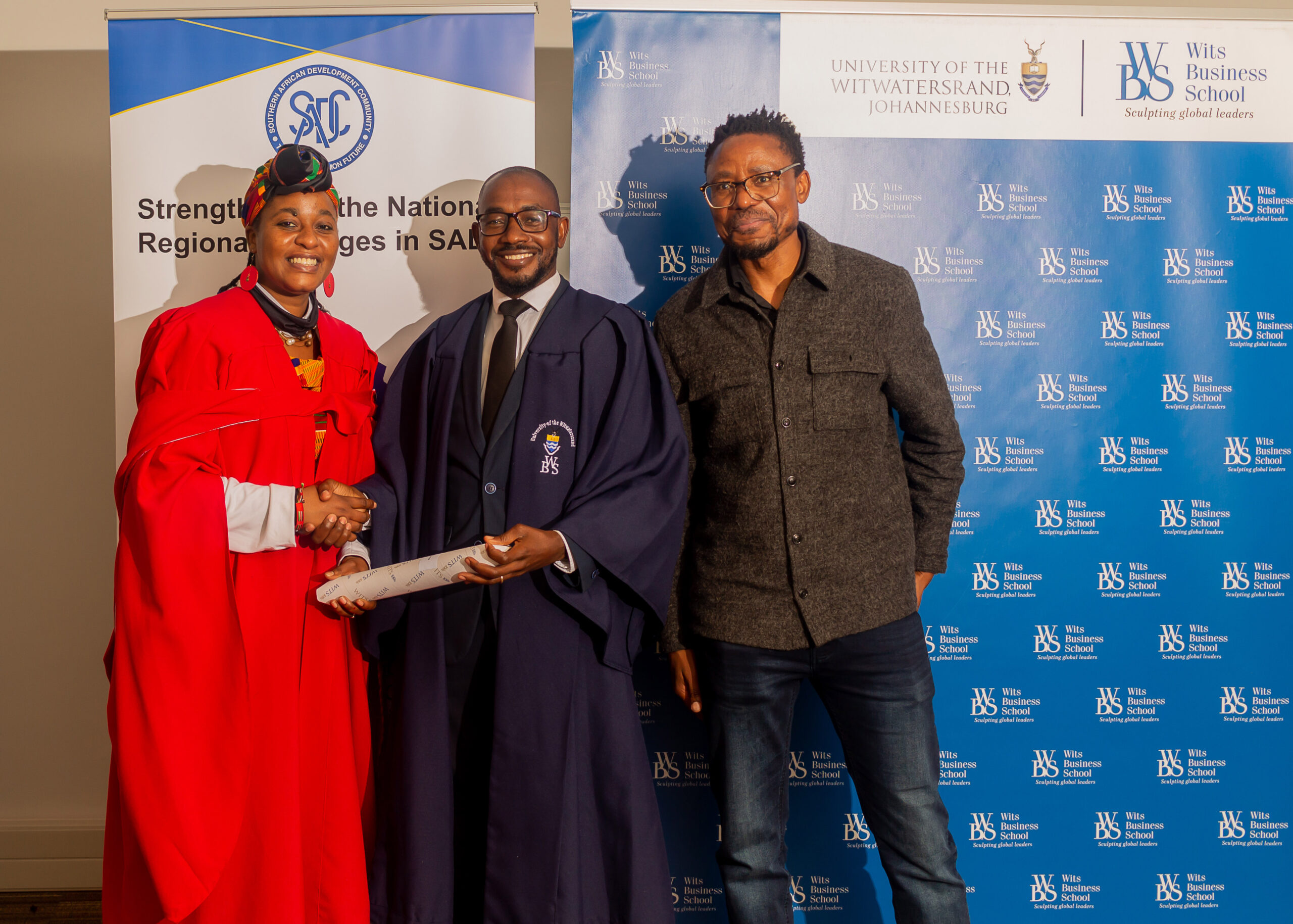
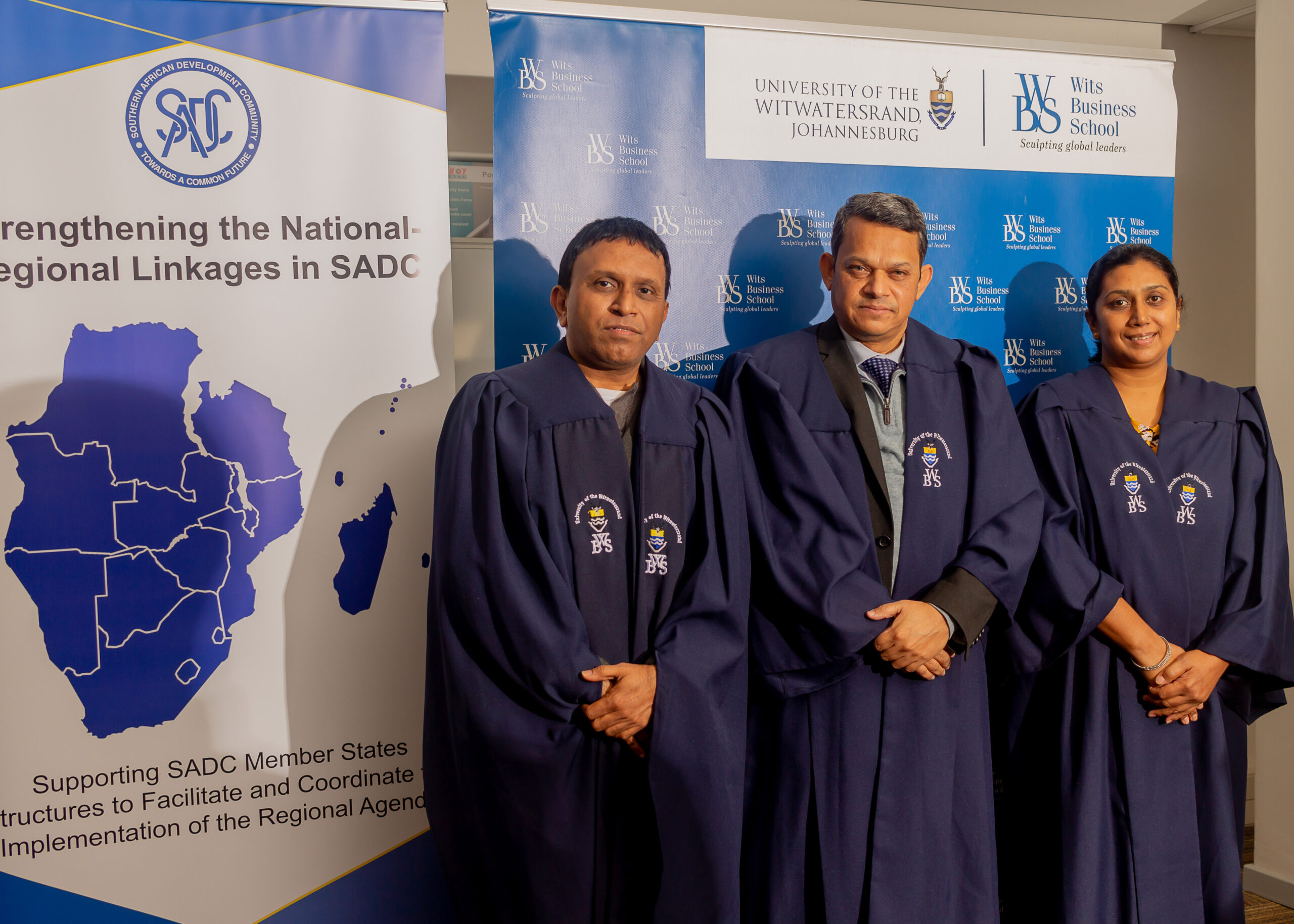
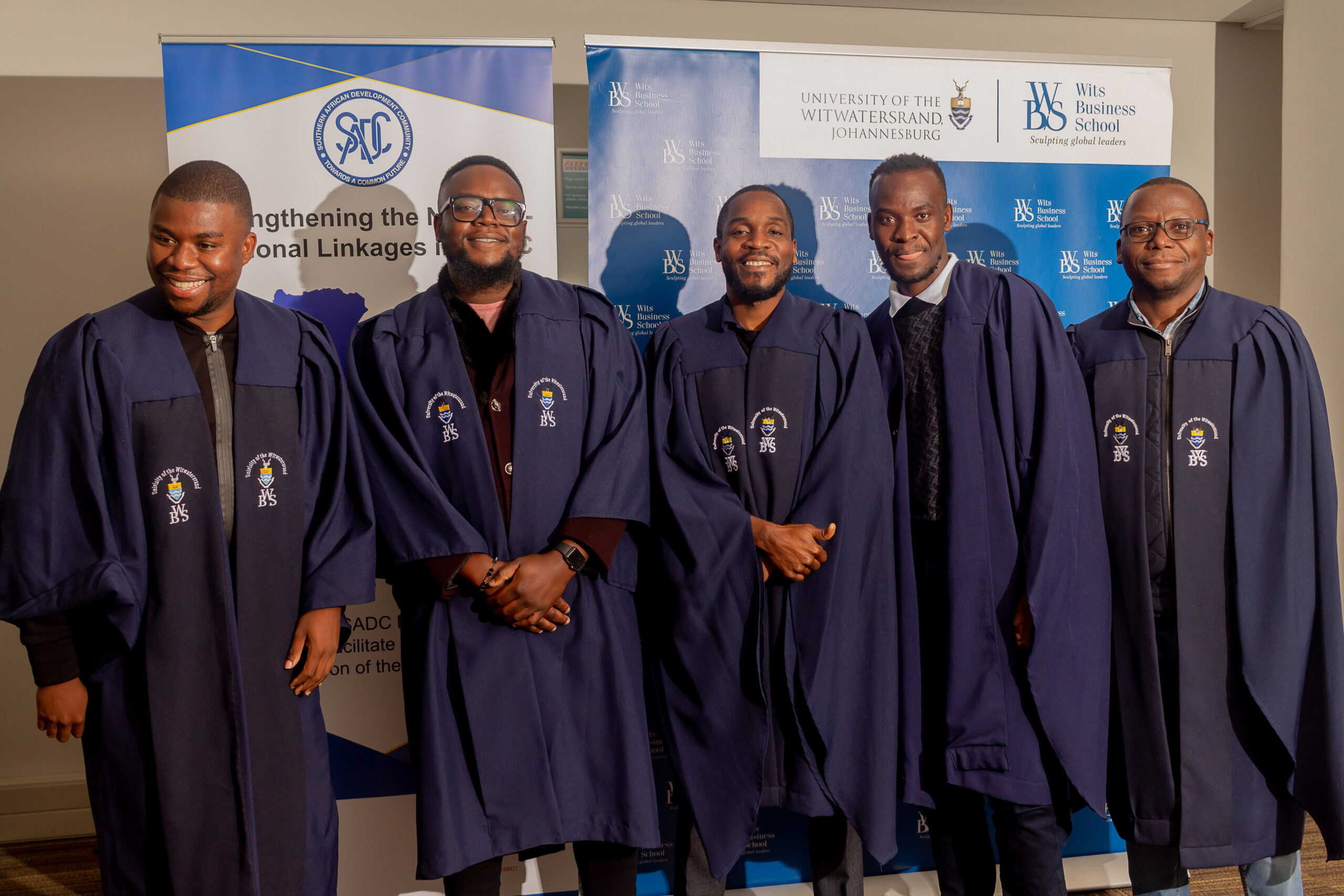
Between April and May 2022, we partnered with GiZ Southern Africa Regional Office as part of their Southern Africa Development Community (SADC) Vision 2050 intervention which is operationalised through a Revised Indicative Regional Strategic Development Plan (RISDP).

Our partnership provided senior financial and non-financial practitioners working in national departments with data-based knowledge which they practically applied through project assignments, to increase national programme sustainability as well as strengthen capacity and project management skills.

Delegates who benefitted from the intervention represented the SADC nations of Mauritius, Lesotho, Botswana, Tanzania and Mozambique.

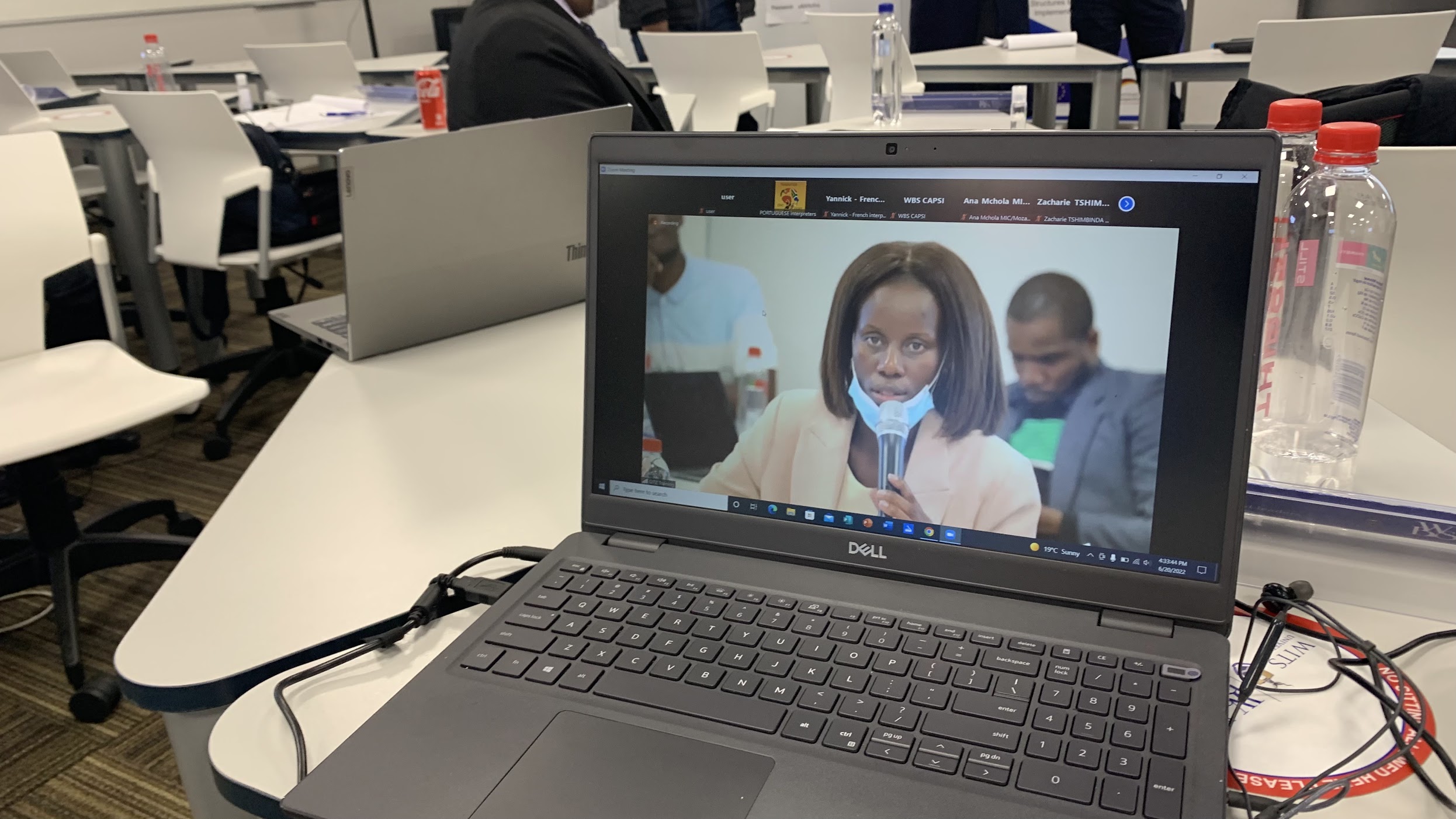
This intervention was delivered through a virtual masterclass, a virtual seminar as well as an in-person masterclass at Wits Business School in Johannesburg.


Read more in the reflection newsletter


From the Desk of the Director

We are already halfway through the year. Time flies. In another six months, 2023 will be history. I am happy to share some of CAPSI’s success stories, as well as those that have challenged us since the beginning of the year.

We started the year with exciting news of the awarding of a grant of $7.8 million by the Mastercard Foundation to research the contributions of the non-profit sector towards creating dignified employment for young Africans. The project will be implemented in 17 countries over a 5-year period. The details of this project were highlighted in an official press release, with many of you sharing positive and encouraging feedback to this news. The work of this project has begun, and I encourage you to participate and share these opportunities to participate within your youth-focused networks.

Staying with donor engagements, we recently hosted the Charles Stewart Mott Foundation and took them on a reflective journey of how the Centre has grown through their generous and pioneering support. This was one of several visits that the Foundation has made to the Centre since our inception, with this visit hosting senior directors and the deputy director. Mott Foundation is one of our main donors and has supported the Centre from our founding days. Our Centre also received generous early support from the Carnegie Corporation of New York and the Ford Foundation, who were later joined by the Open Society Foundation, who recently awarded the Centre a tie-off grant due to the institutional changes within the broader Open Society Foundations network.

.

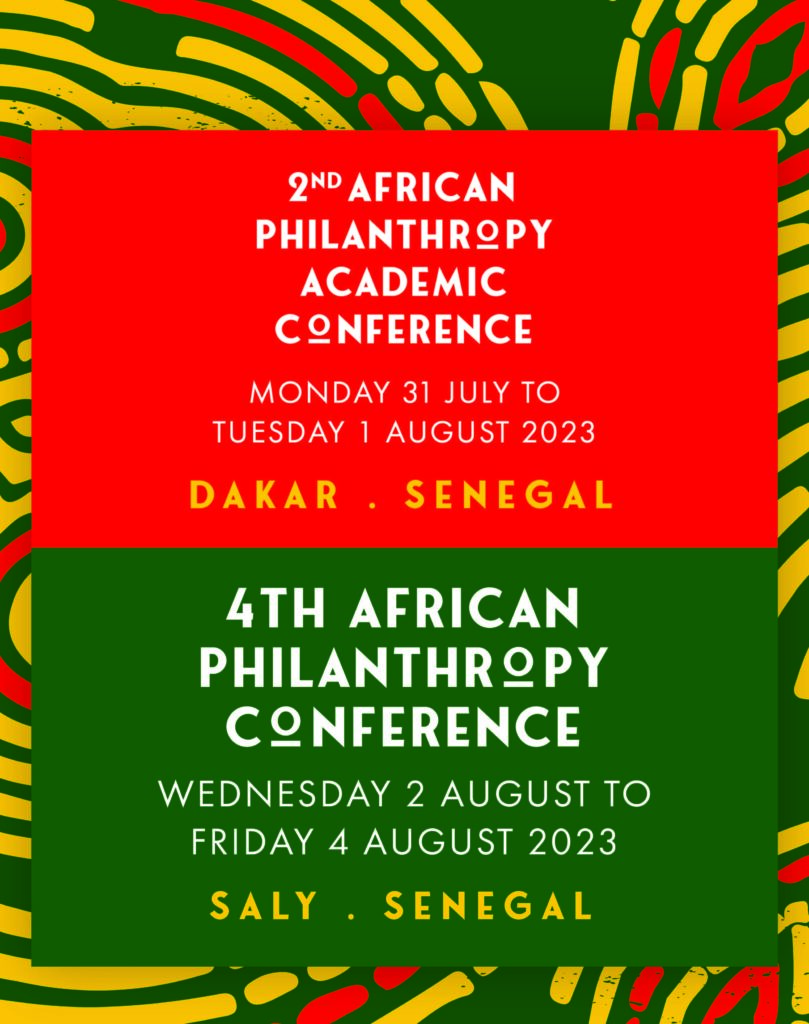
As we undertake our work, we continue to collaborate with like-minded institutions such as TrustAfrica, Africa Philanthropy Network, African Philanthropy Forum, East Africa Philanthropy Network and Southern Africa Trust, among many others. Jointly with these partners, we will hold the 2nd African Philanthropy Academic Conference and the 4th African Philanthropy Conference in the cities of Dakar and Saly in Senegal, respectively. I invite you to register to attend the conference by visiting the official conference website where, you will also find information on the past conferences.

It has been more than five years since the Centre was established. We worked with an external evaluation agency to look at our journey so far and gather meaningful lessons from our progress. You can learn more about the Evaluation Report. I will be happy to receive your reactions to the report. This process will help us to continuously sharpen our interventions as we grow. There are several observations that need our attention, for example, how we fully embed ourselves into the Business School, as well as raising adequate resources from African sources. These and many other observations are areas that we will work on knowing that they are not as simple as they may appear – however, we are determined to make sure that at some point, we are fully embedded in the Wits Business School and that our sustainability is not dependent on foreign sources or any others, for that matter.

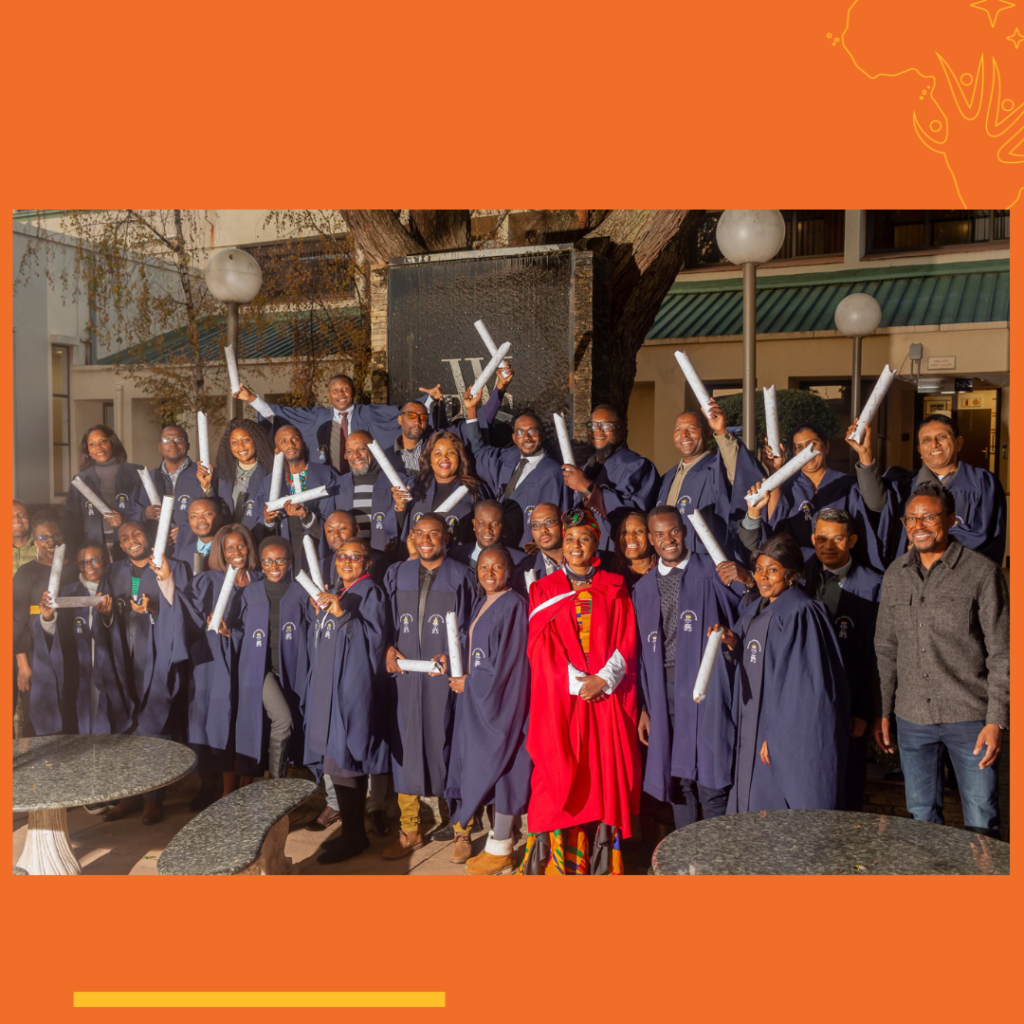
We are also excited that our academic programmes are gaining wider recognition. In 2023, we are looking forward to the graduations of four doctoral graduations and two masters. This will take the number of doctoral graduates from our Centre to nine (bear in mind that this is since inception – barely six years ago), and the masters by Research graduates to four. We are also expecting nine graduations by the end of the academic year of masters students by coursework. We are in our second cohort of Master of Management in African Philanthropy students and preparing to welcome the third cohort of students for the Postgraduate Diploma in African Philanthropy and Resource Mobilisation. In addition to academic programmes, we have held several customised masterclasses for various clients ranging from universities and NGOs, to governmental and intergovernmental agencies. We will be happy to work with you if you require a customised module that speaks to your area of focus or addresses specific organisational needs.

I am also excited to invite you to read our growing body of publications. We declared 2022 as our ‘Year of Publications’, and we met our objective by publishing articles and reports focused on the African philanthropy, social investment and related fields. Visit our website to read our open access material and our YouTube channel to watch related webinars such as Research Spotlight Series and Academic Publishing workshops whose contents have been beneficial for both emerging and seasoned researchers.

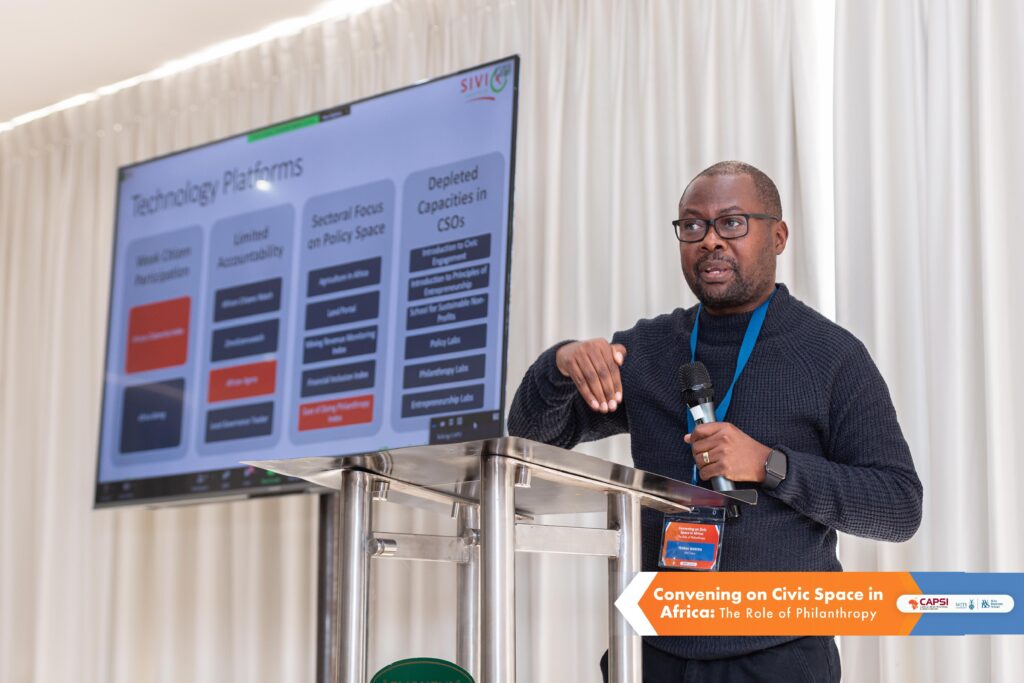
We also recently published our first book focusing on the impact of COVID-19 on philanthropy, civil society, and the corporate sector. The book will be available soon on open access. Meanwhile, we will hold several launch events and give you an opportunity to hear directly from the authors. In addition, we are working on our second book focusing on the barriers to civil society in Africa. We recently held a convening on this theme, which we will share recordings.

The Conversations on African Philanthropy Podcast continues to grow and cover some important ground. Please take some time to listen to our conversations with different actors in the sector. Over the next couple of months, you will be hearing perspectives mainly from East Africa. Most of these episodes were recorded at the recent East Africa Philanthropy Network Conference hosted in Zanzibar. Our hope is to cover all regions. We are therefore planning to record guests from West and Central Africa at the upcoming 4th African Philanthropy Conference in Senegal.

There are several other activities that make us want to do more. Read about these and many more in this edition of the newsletter. As I sign out, always remember to CAPSI it…

Bhekinkosi Moyo

Equipping a new generation of students in philanthropy

One of our priorities is to widen the understanding of African Philanthropy, while equipping the next generation of academics in the field. To enable this, we offer specialist postgraduate programmes and short courses on philanthropy and social investment. Our degrees and courses are conferred by the University of the Witwatersrand and we are proud to be located at Wits Business School, which is one of the continent’s leading business schools.

We invite you to increase and challenge your knowledge with a cohort of like-minded professionals. Our programmes and courses are taught fully online and therefore accessible across the continent.

Academic programmes

Postgraduate Diploma in Philanthropy and Resource Mobilisation is suitable for early career practitioners or generalists who want knowledge that will strengthen their careers. This programme comprises of compulsory and elective modules.

On completion of this programme, students will receive a post-graduate degree (Postgraduate Diploma in Philanthropy and Resource Mobilisation) conferred by Wits University.

Application closing date: Saturday, 30 September 2023

Course start date: January 2024


Details and applications

Master of Management in African Philanthropy is designed for practitioners who want to further their careers while offering value in a strategically informed way. This programme has compulsory and elective modules as well as a research report.

On completion of this programme, students will receive a post-graduate degree (Master of Management in African Philanthropy) conferred by Wits University.

Application opening date: January 2024

Course start date: June 2024

Duration: 2 years full-time, 4 years part time


Details and applications

PhD in African Philanthropy offers practitioners seeking academic rigour with cultural and social insights from commercial and political debates. This sharpens students’ ability to articulate new ideas and realise the vast domains of knowledge they can master by developing their research skills.

On completion of the programme, students will receive a doctorate degree in their specialisation conferred by Wits University.

Application closing date: Saturday, 30 September 2023

Course start date: January 2024

Duration: 2 years full-time, 4 years part time


Details and applications

Short courses

Almasi Executive Philanthropy Certificate is the third tier of our short courses, and offers an advanced and practical application of philanthropy and social investment. Delegates will engage on critical thinking and analysis of core themes and principles such as leadership, technology, fundraising, public policy, advocacy and impact measurement.

The course is ideal for individuals serving in senior positions who wish to strengthen their knowledge in managing and leading in the field of philanthropy and the non-profit sector, as well as corporate social responsibility practitioners.

Application closing date: Friday, 1 September 2023

Course start date: Monday, 4 September

Duration: 2 months part time


Details and applications

Masterclasses

Introduction to African Philanthropy is an ideal introduction for anyone with an interest in the sector. This masterclass offers insights into African philanthropy and its social, political, economic and cultural role on the continent. 

The topics that will be covered include an overview of African philanthropy in historical and contemporary contexts, the role of philanthropy in Africa’s development, and the role of philanthropy in social relations and problem solving.

Start date: Monday, 4 September 2023 

Duration: 2 days


Details and applications

Principles and Fundamentals of Fundraising is aimed at individuals who wish to develop expertise and strengthen their knowledge in the field of philanthropy and social investment. 

It is designed to deepen your understanding of fundraising and learn to draft a fundraising plan to grow your organisation.

Start date: Monday, 9 October 2023

Duration: 2 days


Details and applications

Educators propelling the vision of African expertise

Bhekinkosi Moyo 

Bheki is CAPSI’s Director and Editor of the International Review on African Philanthropy and Social Investment Journal. He brings his experience in knowledge generation, policy analysis and building capable institutions. He lectures ‘Landscaping African Philanthropy’, ‘Public Policy and Law’, ‘African Gifting and Philanthropy’ and ‘Resourcing Philanthropy’.

Jacob Mati

Jacob is CAPSI’s Deputy Director and Academic Director at the Centre. His experience spans across academia, civil society and consulting, which he brings as a lecturer for ‘Research Methods’, ‘Public Policy, Philanthropy and Sustainable Development Goals’ Law and Regulation’ Working with Communities’.

Keratiloe Mogotsi 

Keratiloe is the Centre’s Director of Executive Education, and lecturer on ‘Landscaping African Philanthropy’, ‘Organisation and Management of Philanthropy’, ‘African Gifting and Philanthropy’, ‘Research Methods’ and ‘Philanthropy and Sustainable Development Goals’.

Christine Guchu

Christine is a facilitator, teacher, coach and strategy designer with over 30 years of experience as a development practitioner and has trained many continental leaders since 2014. She is the lecturer for ‘Ethical Leadership’.

Gerry Salole

Gerry is a social anthropologist and author who has vast experience in international development, having worked across Africa, Europe and North America. He is a lecturer for ‘Philanthropic Foundations’ and ‘Innovations in Philanthropy’. 

Alan Fowler

Alan is an Honorary Professor and Chair in African Philanthropy at the Centre who has decades of experience bridging knowledge in the academic, social investment and civic engagement sectors. He is the lecturer for ‘African Gifting and Philanthropy’.

Nomathemba Memela

The first PhD graduate of the Centre, Nomathemba is an accomplished management professional and a sessional lecturer at Wits Business School. She is the lecturer for ‘Measuring and Reporting Performance’.

Roselyne Cheruiyot

Roselyne Cheruiyot is a Postdoctoral Researcher at the Centre, whose educational background is in Management, Business Ethics and Accounting. She is the lecturer for ‘Corporate Social Investments’.

Melody Mandevere

Melody is a Postdoctoral Researcher at the Centre and the lecturer for “Landscaping African Philanthropy’ and ‘The Role of Religion and Belief’.  Melody is passionate about home-grown solutions to African challenges and is contributing to the Centre’s vision.

Wycliffe Nduga Ouma

Wycliffe is a Research Associate at the Centre, with experience covering sustainable finance, social impact investing, socio-economic development, corporate philanthropy, financial risk modelling and international trade. He is the lecturer for ‘Advising Private Wealth’.

Candice Morkel

Candice is the Director of the Centre for Learning on Evaluation and Results Anglophone Africa (CLEAR-AA), located at Wits University. She specialises in policy and public sector governance, as well as monitoring and evaluation. She is the lecturer for ‘Measuring and Reporting Performance’. 

Emmanuel Quaye

Emmanuel is a lecturer at Wits Business School whose research focuses include the intersection of cross-cultural consumer behaviour, consumer psychology, branding and social marketing. He is the lecturer for ‘Marketing and Communication in Contemporary Philanthropy’.

2023 African Philanthropy Conference

A highlight on our annual calendar is the African Philanthropy Conference. This is a gathering of the continent’s philanthropic institutions and stakeholders that we are delighted to co-host alongside TrustAfrica, Africa Philanthropy Forum, African Philanthropy Network, East Africa Philanthropy Network and Southern Africa Trust.

Since 2019, the Conference has served as a platform for sharing of experiences, collective reflection and the development of progressive sectoral practices for the continent. Additionally, it provides an opportunity to nurture networks while supporting research that will accelerate the understanding of the complexities that aid the maturity of the fields of African philanthropy and social investment.

The 2023 edition of the Conference will be hosted under the theme of “African Philanthropy at an Inflection Point”. Using the dimensions of PeoplePowerPolicy and Practice, delegates can look forward to a programme that will see the unravelling of the issues that lie within the theme and devise the future for philanthropy on the continent.


Visit the conference website

The Conference will be held in 2 formats: namely the 4th African Philanthropy Conference and the 2nd African Philanthropy Academic Conference. These will take place as bilingual and in-person events in Saly and Dakar Senegal, respectively.


As all roads lead to Senegal, we invite practitioners and organisations working on the continent to consider the opportunity to curate a panel on a topic that aligns with the Conference theme.


2nd African Philanthropy Academic Conference

Date: Monday 31 July to Tuesday 1 August 2023

Location: Museum of African Civilisations, Dakar, Senegal


4th African Philanthropy Conference

Date: Wednesday 2 August to Friday 4 August 2023

Location: Palm Beach Hotel, Saly, Senegal


Registration for the conferences is open with the contribution of US$300 granting you access to both conferences. We invite you to register at on the official conference website. 

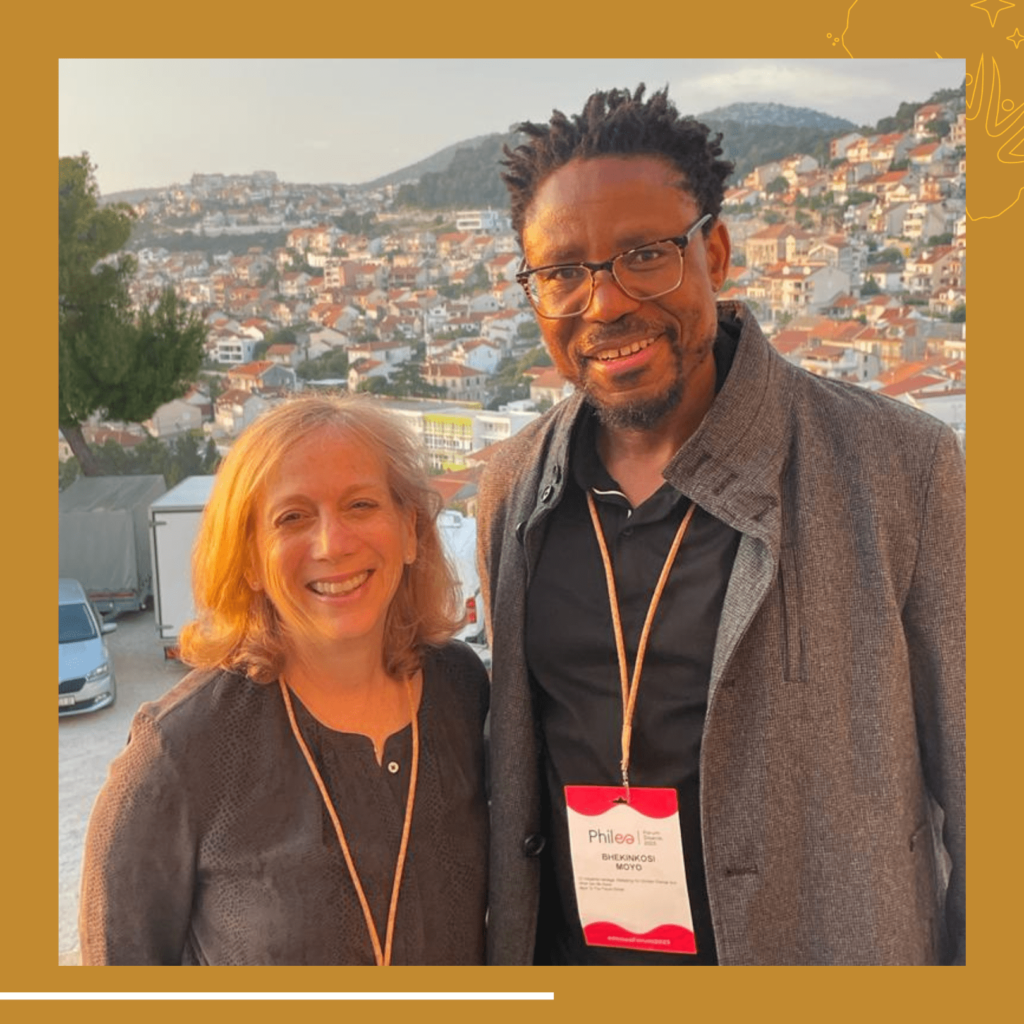
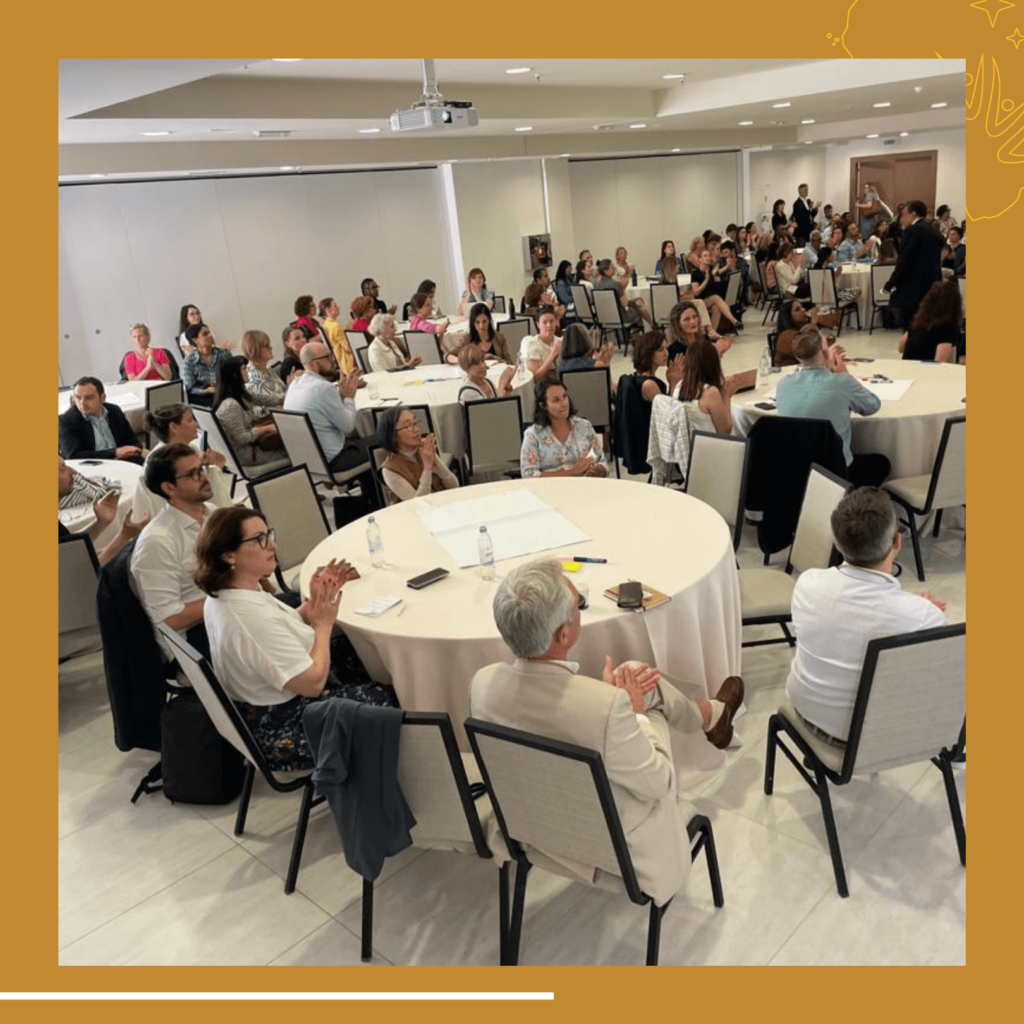
In the build-up to the Conference, we co-hosted a panel discussion on the topic of ‘African Philanthropy meets European Philanthropy to shape a sustainable future’ with TrustAfrica during the recent Philea Forum hosted in Croatia.

The discussion was facilitated by Gerry Salole with panel contributions from Janet Mawiyoo of Galvanizing Africa, Nathalie Delapalme of the Mo Ibrahm Foundation, Muleya Mwananyanda of UNAids and Axelle Davezac of Fondation de France.

Panelists addressed questions on what the strategic policy considerations that address climate change, democracy and inequality in Africa are. Panelists also reflected on the collaborations and intersectionalities that would offer modern and sustainable solutions for African philanthropy. The insights on values, governance, and sustainability that were shared during the discussion fuelled excitement about the African Philanthropy Conference.

We are grateful to Philea Forum for availing this unique platform, and to the attendees who participated so generously.

Bhekinkosi with Margery Daniels, Executive Director of ISTR

During the panel discussion

CAPSI and Mastercard Foundation Partner Towards Youth Employment Research

The Mastercard Foundation has provided support to the Centre to enable research on knowledge and opportunities that align with the Foundation’s Young Africa Works Strategy. This will enable the possibility of 30 million young people on the continent to secure dignified and fulfilling work by 2030.

This support from Mastercard Foundation facilitates our mission to generate new possibilities by training new cohorts of academics and researchers in the non-profit sector and changing the African narrative with emphasis on self-reliance and African solutions.

The five-year support of $7.8 million will be undertaken in collaboration with an autonomous African-led network of researchers and institutions. The project focuses on the contributions of the non-profit sector to continental economies, with a specific focus on enabling young people to secure dignified and fulfilling work.

There are three objectives that will be fulfilled through this project:

  1. Produce data and knowledge that details the extent to which the non-profit sector in 17 African countries can create decent, dignified and fulfilling employment opportunities for young people between the ages of 15 and 35.
  2. Train 20 doctoral students over a period of five years from across African universities in the disciplines of social entrepreneurship, job creation, technology inclusion, financial inclusion, enterprise development, and youth studies.
  3. Enable sustainable and reliable knowledge generation through the provision of measurement frameworks, data for decision-making and a digital hub for the purposes of matching the needs and opportunities of young Africans with dignified employment.

‘We co-created this project jointly with the MasterCard Foundation given the two institutions’ desires to contribute towards the resolution of the developmental challenges facing Africa. There is no doubt that the future of the world is based on its youths and the majority of those young people are found in Africa. Africa is therefore at the centre of the future of the world and as such it is important that young Africans are afforded opportunities through dignified jobs and fulfilling opportunities that will in many ways happen through interventions such as financial inclusion, access to affordable technology and addressing of the inequalities that exist between young men and young women. This is a pivotal moment and project to ascertain the several contributions of the non-profit sector and its intersection with young Africans’, said Bhekinkosi Moyo, CAPSI’s Director

The research focuses on 17 African countries, namely:

1.   Burkina Faso

2.   Cote d’Ivoire

3.   Democratic Republic of the Congo

4.   Egypt

5.   Ethiopia

6.   Ghana

7.   Kenya

8.   Morocco

9.   Mozambique

10.  Nigeria

11.  Rwanda

12.  South Africa

13.  Senegal

14.  Tanzania

15.  Uganda

16.  Zambia

17.  Zimbabwe

Researcher Feature: Tendai Murisa – Reshaping Philanthropy for Africa

The diaspora is thought to be Africans working outside the continent, yet many Africans are migrant workers and learners who sharpen their trade within the wisdom of what the continent offers and use their experiences to conceive authentic and sustainable solutions. Tendai Murisa is one such person who has crafted his career in Zimbabwe and Senegal working in the development and research sectors, which combined are making a long lasting change to the continent.

In his role as the founder and Executive Director of SIVIO Institute, which is based in Zimbabwe, Tendai is enabling change within regional communities through the organisations’ technical oversight, skills development and research capabilities.

During his time at TrustAfrica in Senegal, one of Tendai’s early tasks was overseeing a programme for smallholder farmers across Africa. This role provided him with firsthand oversight of policies that were implemented without sufficient community engagement – this influenced Tendai to initiate a concerted pan-African movement for agricultural advocacy, which continues to positively impact agrarian communities across the regions. His tenure in the organisation also saw the growth of an advocacy movement around sustainable and equitable agricultural practice, which was strengthened through partnerships and collaborations.

After a successful 8-year tenure in Senegal, 4 years of which as Executive Director, Tendai returned to his home country to establish SIVIO Institute as a research-focused organisation that would inform philanthropic efforts and connect the voices within communities and sectors to the solutions that can progressively empower them. SIVIO Institute is a think tank that tackles development and democracy issues across Africa through its three centres: Public Policy and Advocacy, Philanthropy and Communities, and Entrepreneurship and Financial Inclusion.

Combining data that he collected on illicit financial flows and connecting this to his experience in development and research on philanthropy, Tendai found that Africa is a net lender to the world rather than a receiver. Additionally, he realised that there is lack of knowledge and proper collection of data, which has created a gap in community-level development efforts.

SIVIO Institute has made great strides through platforms and programmes which include African Citizens WatchAfrican Citizenship IndexThe Ease of Doing Philanthropy Index, the Local Governance Tracker and Tendai’s recently published book titled ‘Rethinking Citizens and Democracy’. Drawing from his experience and research on philanthropy, Tendai is currently researching the continent’s narrative on giving through aid.

Having conducted his research on what he termed as “Agency Work”, Tendai joined CAPSI as a Research Associate and has written a paper titled “Exploring the Meanings of Philanthropy in Rural Contexts: The Case of Zimbabwe”, which was published in the inaugural International Review of Philanthropy and Social Investment. In this paper, Tendai uses discussions and case studies to explore the emergence of solidarity-focused associational forms within the resettled areas of Zimbabwe. He provided in-depth insights into the paper during the Journal’s webinar series.

During the recent launch of our Research Report Series, Tendai unpacked his report on High-Net-Worth Philanthropists in Mauritius, South Africa, and Zimbabwe, in which he shared his research process, provided graphical summations of his findings and framed his recommendations to the attendees which comprised of PhD students and researchers from across the continent.

On the topic of learning and skills development with the sector, Tendai believes that the masterclasses that CAPSI offers are a pathway for a new breed of philanthropists, ones who are well prepared and understand how to engage community members and yield results, are developed. “Many people enter the philanthropic space and start a non-profit organisation out of a good heart and the need to make a change, assuming it would be easy. The learning resources and skills on how to run a successful NGO is critical – which is why the short courses that CAPSI offers are pivotal in equipping those considering launching careers in the development space,” remarked Tendai.

Looking to the future, Tendai and the team at SIVIO Institute are set to grow further towards their vision through their programmes. Their recently published Citizens Perceptions and Expectations Findings and Mining Revenue Index are exciting contributions to the sector which heighten the expectations of the calibre of knowledge we can expect.

Reaching Communities and promoting a culture of giving

Our portfolios undertake projects which allow us to connect with members of our community through targeted and thematic objectives. We invites you to opt in to these projects and share them within your networks.

Women in African Philanthropy Initiative

Women and women’s organisations are known for their great impact in underdeveloped communities, however women’s Giving Circles are frequently overlooked, particularly those at the grassroots level which strive to raise critical funds and resources to improve their communities.


In response to the need for deeper and contextual knowledge, and in an effort to foster enabling networks using this knowledge, we have developed the Women in African Philanthropy Initiative as a vehicle where we will learn from and celebrate the historic, modern and emerging role that women fulfil in philanthropy on the continent. Launched during International Women’s month, this project is meant to give African women a platform to define and conduct their giving in their own way.


The Initiative will commission research and host engagement programmes and platforms that elevate women’s philanthropic participation across the layers of class, language, race, religion and nationality. Women from Giving Circles and in philanthropy from across the continent will be brought together to form a network and a space where their agency is respected and recognised, where they can interact and learn from each other, and where they can access opportunities to scale up their programmes and projects.


One of the Initiative’s projects will be to establish a hub that will heighten the visibility of women’s Giving Circles by bridging the gap in research and facilitate collaboration and networking for women’s giving circles. The hub will also address the visibility issues that Giving Circles face and provide a platform for women to share their vision, work and strategy orientation among others.


Project Lead Thandi Makhubele says, “The project is a powerful initiative that seeks to empower women as leaders and change-makers in Africa. We aim to build a more equitable and just society for all through our research, networking opportunities, and support for women-led initiatives. We believe that when women come together to give, they have the power to transform their communities and create a brighter future for generations to come. I invite all who are interested to join us in this important work.”


CAPSI Smartboard

As our Centre’s programmes, offerings, staffing and resources have steadily grown over the years, so has our need to access centralised and up to date reporting that meets our accountability and compliance requirements. Such would also meet ours and our stakeholders decision making needs, helping us to remain efficient in how we work. With this, we began the transition from manual, and often time-consuming reporting to adopt an integrated way of tracking, monitoring and reporting on each element of the organisation, the CAPSI Smartboard.


Each of our Centre’s portfolios have dedicated boards where their respective processes and deliverables are tracked, and made available to its relevant stakeholders to initiate, establish and fulfil the relationship lifecycle on each deliverable as well as project. Using our Research portfolio as an example, the Smartboard displays from the conceptualisation of the research project, the development of various concepts, the recruitment of different research associates, tracking their progress, right until  the publication of the report.


The Smartboard is a mechanism for organisational efficiency and enables us to swiftly manage operational and programmatic matters. Members of our team have been designated as leads on Smartboard portfolios and are responsible for ensuring that the data published on the Smartboard is correct and up to date. The Smartboard expands our digital footprint, while also providing a mechanism that allow us to optimise how we manage, report, and be accountable to our different partners.


Knowledge Management Platform

Providing our community of students, academics and practitioners with data and knowledge on the landscape of philanthropy in Africa, that is contextual, structured and of value is one of the pillar objectives of our Centre. To achieve this, our team began the work of conceptualising a Knowledge Management Platform that would support development, research and decision making for various national, regional and continental stakeholders.


During the process of conceptualising and implementing this platform we encountered a challenges related to the volume of content – there was not much knowledge and data available in the continent to characterise or interpret the philanthropic landscape. To address this, we commissioned a variety of studies in different parts of the continent and have built a base of reports on the state of philanthropy in the continent. The next step from here is to package the information in a format that is accessible to anyone who comes to the platform. Once on the platform, users will be able to apply  parameters related to the issues that they are looking for data and knowledge on, and generate a report that provides this.


The Knowledge Management Platform is comprised of several components; with the first being the profiling of different forms of philanthropy so that users can filter by expressions of philanthropy, such as high net worth individuals, individual giving foundations, etc. The second component is the functionality of the platform analytics which will enable users to generate various reports depending through the available data, for example, a search on the number of high net worth individuals in a defined region would pull a report which includes the strategies that they utilise, the areas that they have interest in and how they make their money. The third component is the storage capacity of the platform, which will hold data in forms such as tutorials, videos and reports, to name a few.


Our vision for the Knowledge Management Platform is to a go-to for anyone looking for insightful data on the state of philanthropy and social investment on the continent anywhere, anytime. 

Publishing rigorous research with an African lens

One of our Centre’s goals is to build a body of knowledge on Philanthropy, Social Investment and related disciplines. In fulfilling this, we work with a community of Research Associates who have specialised in various fields and bring a contextual and African narrative to their work. Our Research Associates are commissioned to publish articles and research papers which meet our academic rigour while providing insights into topics that further the development of philanthropy and social investment on the continent.

Meet some of our Research Associates

Asabea Ahwireng-Obeng

Asabea is a finance and investment scholar, with special interest in bond markets in emerging countries, particularly in Africa. This was the focus of her PhD research that she successfully defended at Wits University in 2016.

How did your association with the Centre start?

“My interaction with CAPSI began with my role as an assistant to Professor Emeritus Frederick Ahwireng-Obeng, who was the consultant charged with preparing the syllabus for the postgraduate Diploma in Philanthropy at the Centre. This was a challenging task that required a lot of reading on philanthropy in general and relevant courses offered by leading institutions worldwide. By the end of the assignment, which was assessed by local and international stakeholders, I had become not only well drenched in the subject but also particularly interested in the philanthropy-finance and investment-African development interfaces. Since I started working with CAPSI I have expanded the scope of my research interests to include philanthropy and development. This has resulted in some of my work being published in prestigious international journals. One of my studies, titled “Macroeconomic determinants of sovereign bond market development in African emerging economies”, was published in the International Journal of Emerging Markets and the Journal of African Business. I have three papers published by the Centre and accept frequent requests from continental journals to serve as a reviewer.”


How are you using the experience gained in your own country?

“I am currently involved with a newly established international educational NGO whose research and consulting interests in philanthropy-related themes on Africa complements my work at CAPSI. I am also working on three papers for co-publication with Professor Ahwireng-Obeng. My interaction with the Centre has elucidated the intricate and unique roles that philanthropy plays in finance and investment. I have since developed a deep appreciation of the discipline, particularly where African development is concerned.”


What advice would you give someone looking to get onto the philanthropy and development sector?

“My advice to anyone contemplating working in the philanthropy and development areas is that the prospects are great but will require an entrepreneurial mindset that is willing to explore and innovate.”

Emmanuel Kumi


Emmanuel is Fellow at the Centre for Social Policy at the University of Ghana whose research interests are in African philanthropy, civil society organisations, NGO management, civic space, lobby and advocacy as well as the political economy of development. He holds a PhD in International Development from the University of Bath, United Kingdom.

Please highlight your journey where African philanthropy is concerned.

“My research has focused on civil society organisations and their resource mobilisation. I am interested in exploring how these organisations mobilise alternative resources, including African philanthropy, to ensure their short-term survival and long-term sustainability especially in countries experiencing a decline in external donor funding. My interest in African philanthropy is also informed directly by my association with CAPSI. I have been involved in research projects on African philanthropy such as mapping African philanthropic organisations and the role of African philanthropy in responding to COVID-19 and development goals in Africa.”


How has your association with CAPSI helped you in this journey?

“My association with the Centre has created an opportunity to network with other scholars working on African philanthropy and civil society organisations in general. This helps in sharing knowledge and ideas on the subject.”


How are you ploughing back the knowledge you have gained/are gaining in your home country?

“I have been leading some research projects and discussions that seek to promote knowledge on African philanthropy in the context of Ghana and other African countries. I believe this will help in contributing to the emerging literature on African philanthropy as well as information that is relevant in influencing policymakers and national development.”


What advice would you give someone looking to get onto the philanthropy and development sector?

“Anyone interested in philanthropy should be motivated by passion.”

Arsène Brice Bado

Arsène the Vice President for Academic Affairs and International Cooperation at the Centre for Research and Action for Peace (CERAP)/Jesuit University in Abidjan, Côte d’Ivoire where he also teaches political science and international relations. His research interests include democracy, ethnic pluralism, conflict analysis, forced migration, electoral processes in conflict-ridden societies, and philanthropy. 

Please highlight your journey where African philanthropy is concerned.

“My interest in philanthropy started when I was in primary school where I volunteered to raise funding for cultural and sporting activities. I continued to participate in fundraising activities in high school and university. But it was only during my master’s degree studies in Social Ethics and Theology at Boston College that I had the opportunity to take a course in communication and fundraising. This course allowed me to reflect on my previous fundraising activities and philanthropy. In 2010, I was appointed to lead the Jesuit Office of Development of the West Africa Province whose mission is to raise funding and coordinate communication toward actual and potential benefactors. In this capacity, I visited other Jesuit offices of development in different provinces in the USA and received practical training on how to communicate with philanthropists and philanthropic foundations. In addition, during my doctoral studies in political science and international relations, I researched on topics such as philanthropy, humanitarian aid, foreign aid toward developing countries, postcolonial states and development assistance, which led to my dissertation titled ‘Foreign Electoral Assistance as a Tool for Peacebuilding in Post-Conflict Societies’.”


What influenced your decision to work with the Centre?

“The fact that philanthropy is an important activity in most African societies. However, the subject remains largely understudied in academia. Most publications on philanthropy in Africa were produced by non-Africa-based researchers and research institutions. Therefore, there’s a need for African scholars to take the challenge of philanthropy in Africa seriously and share their own locally sourced research on the issue. I was excited to learn about the existence of CAPSI through the Carnegie Corporation of New York. To my knowledge, CAPSI is the only Africa-based research centre on philanthropy. Because of this, I am honoured to be a research associate for the Centre and I hope to contribute to the research on philanthropy in francophone African countries.”
 

How does your professional role tie in with the Centre?

“CERAP is a teaching and research institution focused on social sciences. As such, philanthropy is a relevant topic for the institution. Undeniably, the practice has played an important role not only in alleviating human suffering, but also in socio-economic development, the evolution of science, and development of culture and the arts. Philanthropy has also emerged as an indispensable practice alongside the action of public authorities and private companies. That is why my work and research at CERAP is consistent with my commitment to my work at CAPSI. I hope that the Centre will help develop a research unit on philanthropy in francophone countries at CERAP to foster interest in the subject by francophone researchers.”


How are you using the experience and knowledge you are gaining in your own country?

“Thanks to CAPSI, I have undertaken an important survey on philanthropists and philanthropic foundations across five francophone countries: Burkina Faso, Côte d’Ivoire, Mali, Gabon and Chad. More importantly, philanthropy is now taught in my courses at CERAP and students can write their papers on the topic. I hope that this will foster their intellectual curiosity where this subject matter is concerned and that a community of researchers interested in philanthropy would emerge in the coming years.”
 

What advice would you give someone looking to get onto the philanthropy and development sector?

“My advice would be to take the specificity of each society seriously while dealing with issues related to philanthropy and development. As a phenomenon of society, the modes of expression and organisation of philanthropy are profoundly marked by the cultures of the societies in which they unfold. That is why several studies are needed to map out and understand philanthropic practices in diverse African societies to find the best ways to harness philanthropic practices for the development of our societies. Therefore, I encourage African researchers and policymakers to give more attention to philanthropy, which could be a way to take care of our problems using our own resources.”