Reflecting on 2022: Resilient Urban Communities

By Dr Melody Mandevere and Dr Roselyn Cheruiyot

Resilient Urban Communities is a collaborative African-German project that addresses the United Nations Sustainable Development Goals of “sustainable cities and communities” and “quality education” through research and dissemination of knowledge related to the subject areas “good governance” and “local government”. Encompassing a research, networking and education component, RUC aims to improve urban supply systems and infrastructure for vulnerable groups in deprived local communities and enhance the governance of African megacities. The research programme of RUC focuses on social enterprises (SEs) and non-profit organisations (NPOs) as subsidiary social service providers and vehicles for participation and integration that contribute to the resilience of urban communities. 

CAPSI, in partnership with three other universities, started the project in the last quarter of 2021. 

Below are the activities including those for the year 2023:

Milestone Description Achievement/s
WP1 Consortium Kick-Off Meeting in Johannesburg Partners from Muenster University, Weimar University, Frankfurt University, Strathmore University, City of Johannesburg and East Africa Philanthropy network (EAPN), converged at Wits University being hosted by CAPSI for the planning meeting which was successful.
WP3 Write literature review on key parameters of a supportive eco-system for SEs and NPOs in urban Africa Literature review for a supportive ecosystem was compiled and the document has been shared with other partners.
WP5 Reality Check: Analyses of the eco-systems of SEs/NPOs in Johannesburg A total of 15 interviews in the 1st phase and 8 in the 2nd phase were contacted with City Officials, NPOs and SEs. The report is being finalised.
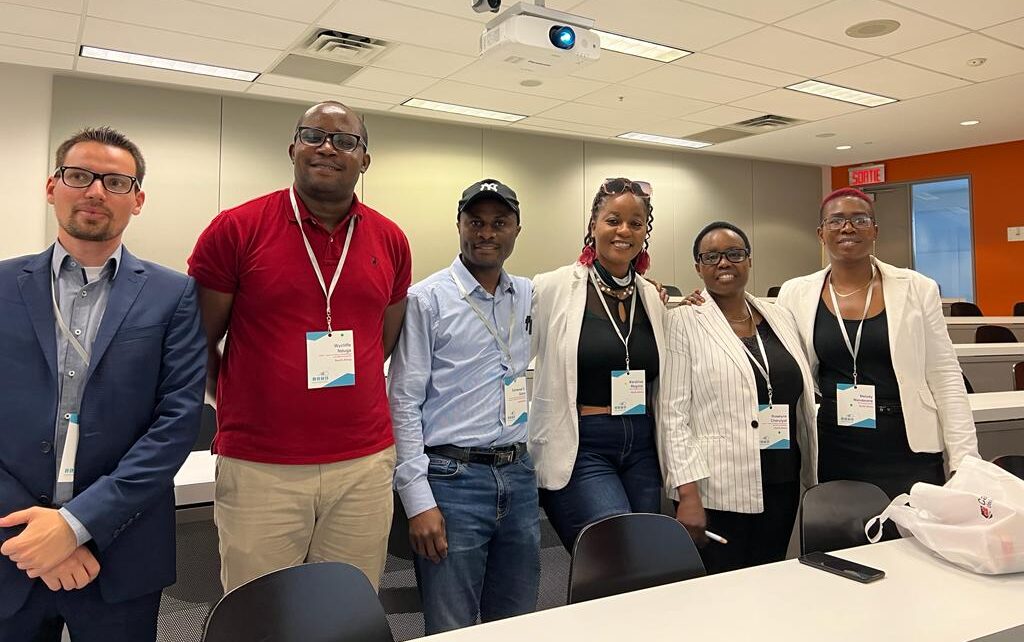
ISTR   A report focusing on the Sustainability of Social Enterprises and NPOs in South Africa was presented at a roundtable discussion in Montreal, Canada in July 2022.
WP4 Pathway to Success I: Conference, PhD Seminar, and Research Workshop at Strathmore University in Nairobi A conference to be attended by all RUC partners in Nairobi.  CAPSI  presented WP3 and WP8 preliminary results.

The plans for 2023 are as follows:

  • Together with other partners, the WP5 report will be finalised.
  • WP8, which aims at providing firsthand expertise for the foundation, management, leadership and sustainability of community-based SEs and NPOs in African megacities through two case studies in South Africa, will be implemented.  The plan is to observe, interview and analyse at least two Social Enterprises in South Africa to understand the challenges and to overcome these.

Dr Melody Mandevere and Dr Roselyn Cheruiyot are CAPSI’s first Post Doctoral Researchers.

Reflecting on 2022: Research

By Dr Wycliffe Nduga Ouma

The Research Portfolio is responsible for all research-related activities at the Centre, including managing the research associates and ensuring all research activities are carried out in a timely manner. Research associates form a significant asset for the Centre as they are the machine that churns out the various research projects that CAPSI undertakes.

The Portfolio commissioned a number of research projects, including a book project on ‘Barriers to Civil Society Organizations in Africa’. In the spirit of providing emerging academics the opportunity to flourish, CAPSI commissioned five emerging researchers to examine focal and emerging areas of research on philanthropy and the philanthropic ecosystem. This project is well underway and is expected to be completed by April 2023.

In the month of August,  we hosted the inaugural African Philanthropy Academic Conference. This event served as a precursor to the African Philanthropy Conference and hosted presentations of 40 papers to an audience of 95 delegates attending the one-day event held in Johannesburg, South Africa.

To manage the research output more efficiently, the Research Portfolio has developed a schedule for all the researchers working on various streams of research, to periodically present the progress of their work among peers. This offers researchers the opportunity to generate constructive critiques from peers to further improve the quality of their work. Additionally, the research portfolio has developed a quarterly meeting/workshop session for all the research associates at CAPSI. The inaugural meeting took place on the 29th of November in Johannesburg, at Wits Business School.

Dr Wycliffe Nduga Ouma is a Research Associate managing the research portfolio at CAPSI. His interests lie in Financial Economics, which enables him to blend financial economics research within philanthropy.

Reflecting on 2022: Publications

By Xolani Dlamini

CAPSI declared 2022 ‘the year of publication’. Over the last two years, the Centre commissioned several studies focusing on various research areas. These studies have produced over sixteen Research Reports from Philanthropic Foundations, High Net Worth Individuals, Community Philanthropy and Social Investment. CAPSI’s research reports offer a glimpse into the various expressions of philanthropic forms, types, and practices across the continent. Over the last three to four years, CAPSI has worked with several researchers and partners in Africa, to formulate a new narrative on African philanthropy and social investment. These studies focus on High Net Worth Individuals, Social Investment and Philanthropic Foundations as well as philanthropic activity in selected countries. This is just the beginning of the long-anticipated journey to interpret the philanthropic landscape in Africa.

The Centre’s mandate is to bridge the gap in the study, research and practice of philanthropy and social investment in Africa. In line with this mandate, we published two African Philanthropy Conference proceeding reports for 2021 and 2022, themed “Fusing the Philanthropic and COVID-19 Contexts” and “The State of African Philanthropy” respectively. In addition, the Centre is working on two books, one in response to COVID-19 and the other focusing on Barriers to Civil Society.

Following the publication of all commissioned report papers, in 2023 we will be hosting a Spotlight series with authors. This is to create a space for conversation and to foster engagement with each report. It gives authors an opportunity to delve deeper into their findings and recommendations and allow interaction with the wider community.

In response to perceived challenges faced by researchers when looking to publish their research in academic journals, CAPSI, in collaboration with various organisations/publishers, hosted a continuation of a series of webinars that started in 2021. Each webinar looked at a different topic, covering the knowledge needed to publish journal articles. The series aims to provide expert advice on a broad range of publishing topics.

This year’s session, held on 27 October, was titled “Academic Publishing Workshop Series for Emerging Researchers”. The session covered various academic publishing components such as preparing a paper for submission, the peer review process, production and online publishing. One of the speakers represented emerging scholars, sharing their academic journey as early career researchers. The event was a huge success with over one hundred online attendees, including speakers.

Playlist


Dr Sara Amin – The Peer Review Process of the Publishing Journey

31:09


Dr Jones Odei Mensah – The Peer Review Process

19:56


Dr Linda Fick – Preparing Manuscripts for Publication

16:43


Dr Emmanuel Quaye – Challenges and Opportunities for Emerging Researchers

15:30

Xolani Dlamini is a Digital Publisher specialising in academic/scholarly publishing, particularly Open Access journals. He has been involved in managing and publishing various academic journals in different fields of study.

Reflecting on 2022: Operations

By Thandi Makhubele

The last two years have been difficult for everyone – the world came to a halt as a result of the pandemic, which crippled every aspect of our lives, including businesses, the loss of loved ones, and challenging of our ways of life. As the situation improves and most of the world returns to the “new” normal, people are still trying to piece together what happened before everything came to a halt. 

The Aspire Higher Project competition was one that was greatly impacted by the pandemic. While the four groups displayed an amazing capability to adapt to new methods of data collection, they faced challenges resulting from participating schools not being able to operate as normal. Despite these obstacles, the groups were able to carry out their strategies as outlined in their proposals, which were of benefit to young girls in the community of Tsakane, east of Johannesburg in South Africa. The Aspire Higher Project final judging event took place in April 2022. Following presentations and lengthy deliberations by the panel of partners and guest judges, the winner was announced- the Imbokodo Launch Pad, who received £80,000 to upscale its project. We extend our gratitude to Dr Michael Reid of Gilead Sciences, Peter Edwards of Reckitt, Alankar Malviya of UNAIDS, Aids activist Saidy Brown and entrepreneur DJ Sbu for assisting with the adjudication process.

As a research centre committed to seeking new and innovative ways to gather data and analyse it into a value-adding tool that supports decision making, we launched an operational and strategic Smartboard that will allow us to digitize and automate our delivery and monitoring. Members of the CAPSI team can now document the progress of their work, download reports, and check the status of their portfolios. This was delivered in partnership with Data Innovators.

The team is still striving to be one of the best on the African continent. 2023 presents an opportunity to continue meeting the Centre’s goals and mandate, while also improving its deliverables and discovering innovative ways to improve its projects and programmes. The launch of the Women in Philanthropy project is one of the things to look forward to – this is one of the initiatives that the Centre intends to launch in order to bridge gaps in research and gender on the African continent.

Click play to watch a summary video of the Aspire Higher Final Judging event.

https://youtu.be/8R7PtDakcJc
Thandi Makhubele is the Programme Manager at CAPSI.  She holds a Master’s in Security with a focus on Philanthropy and Women’s Development. She is a CUNY 2022 International Fellow of the Centre on Philanthropy and Civil Society Emerging Leaders Programme.

Reflecting on 2022: Customised Masterclasses

By Dr Keratiloe Mogotsi

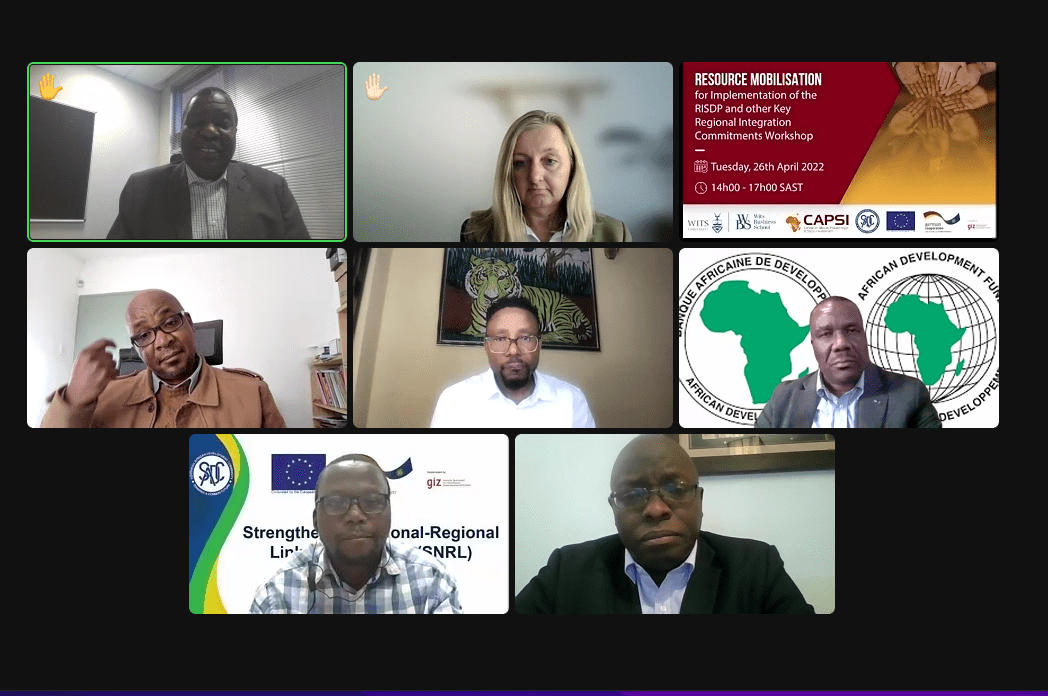
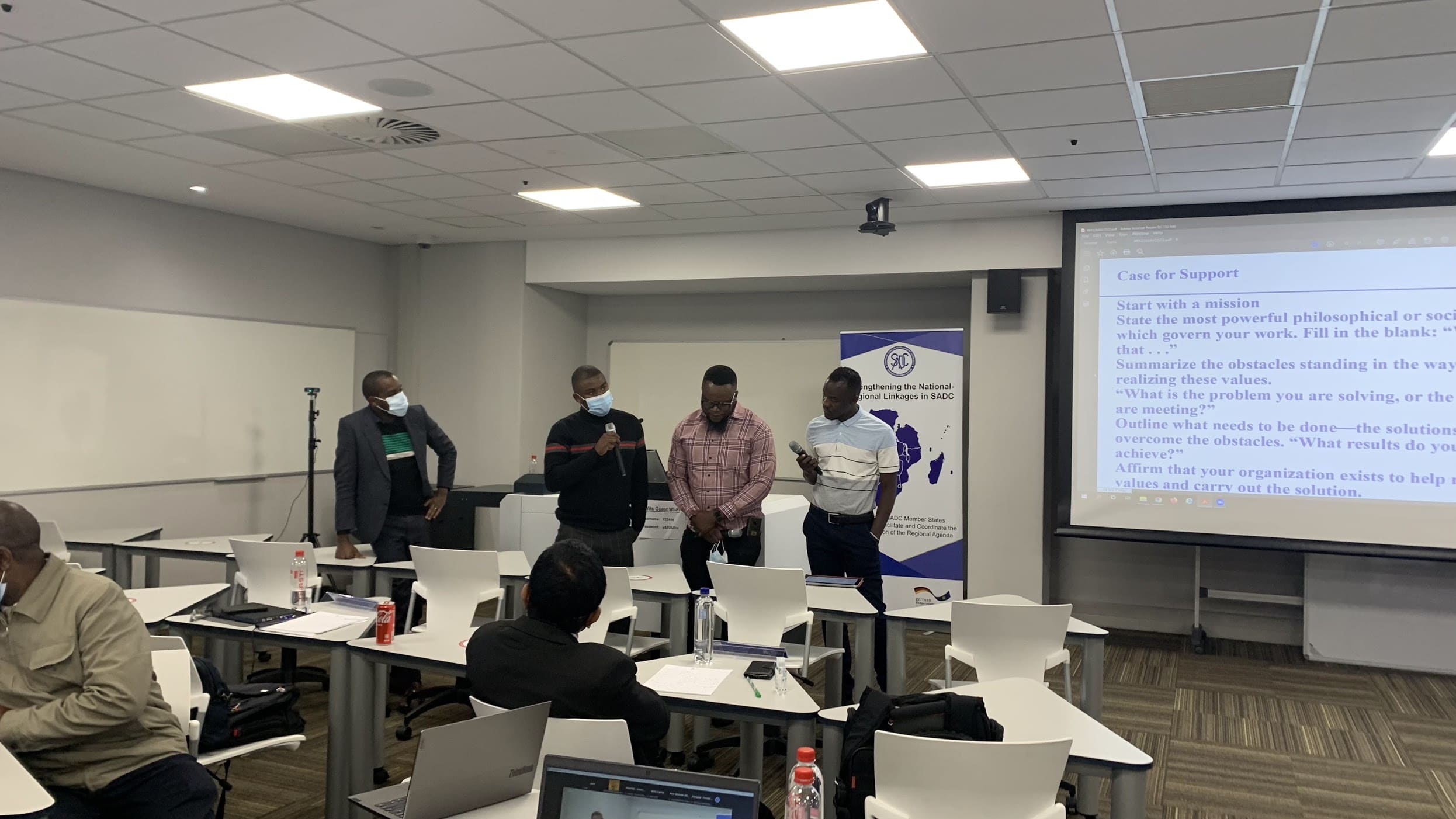
On the short course’s front, 2022 saw a rise in customised masterclasses selected by various organisations to empower participants with one or two of our masterclasses, to strengthen their skills and knowledge in philanthropy. Since the beginning of the year, we have trained 106 delegates from organisations such as AROCSA, GiZ, East Africa Philanthropy Network and for the first time, 16 of these delegates registered through open enrolment for the Principles and Fundamentals of Fundraising masterclass. The masterclasses focused mostly on Fundraising (a popular selection from the organisations) and Venture Philanthropy. Sponsoring organisations were provided with an opportunity to highlight required key focus areas such as leadership and transition of NGO leaders for AROCSA, regional integration and mega projects fundraising for GiZ, and leadership/ fundraising for EAPN.

Towards the close of 2022, we anticipate training nine more delegates from the National Youth Development Agency (NYDA) in South Africa and Botswana Power Corporation (BPC). The faculty and guest speakers for the short courses are diverse and well-experienced in their fields, with three of these emanating internally and over five having industry experience from organisations such as Capital Idea, Africa Venture Philanthropy Alliance and the Southern Africa Trust.

Two customised webinars were held for clients AROCSA and GiZ, and one public webinar was held to spread awareness of philanthropy issues and the courses on offer. These webinars can be viewed on our YouTube channel where we also share a snippet of what you can learn in these masterclasses:

Name of event Link Date Type No of participants
AROCSA Fellowship presentations https://youtu.be/rR8l2XSfK-4 05 May 2022 Online webinar 18
Africa Day https://youtu.be/ec2AmNayIK8 26 May 2022 Online webinar 162
GiZ Workshop on
Regional Integration
https://youtu.be/91G8MXa9uC8 26 April 2022 Online webinar 142 views

The certificate programmes and other masterclasses are yet to kick off through open enrolment. The short courses have seen success and potential in the customised offerings of the seven masterclasses available and we hope to see this go from strength to strength.

Dr Keratiloe Mogotsi is a Lecturer at Wits Business School and serves as the Centre’s Director of Executive Education and Customised Learning. Her research areas include disaster philanthropy in Africa, venture philanthropy, African philanthropy and philanthro-capitalism in Africa.

Reflecting on 2022: Academic Programmes and Development

By Prof Jacob Mati

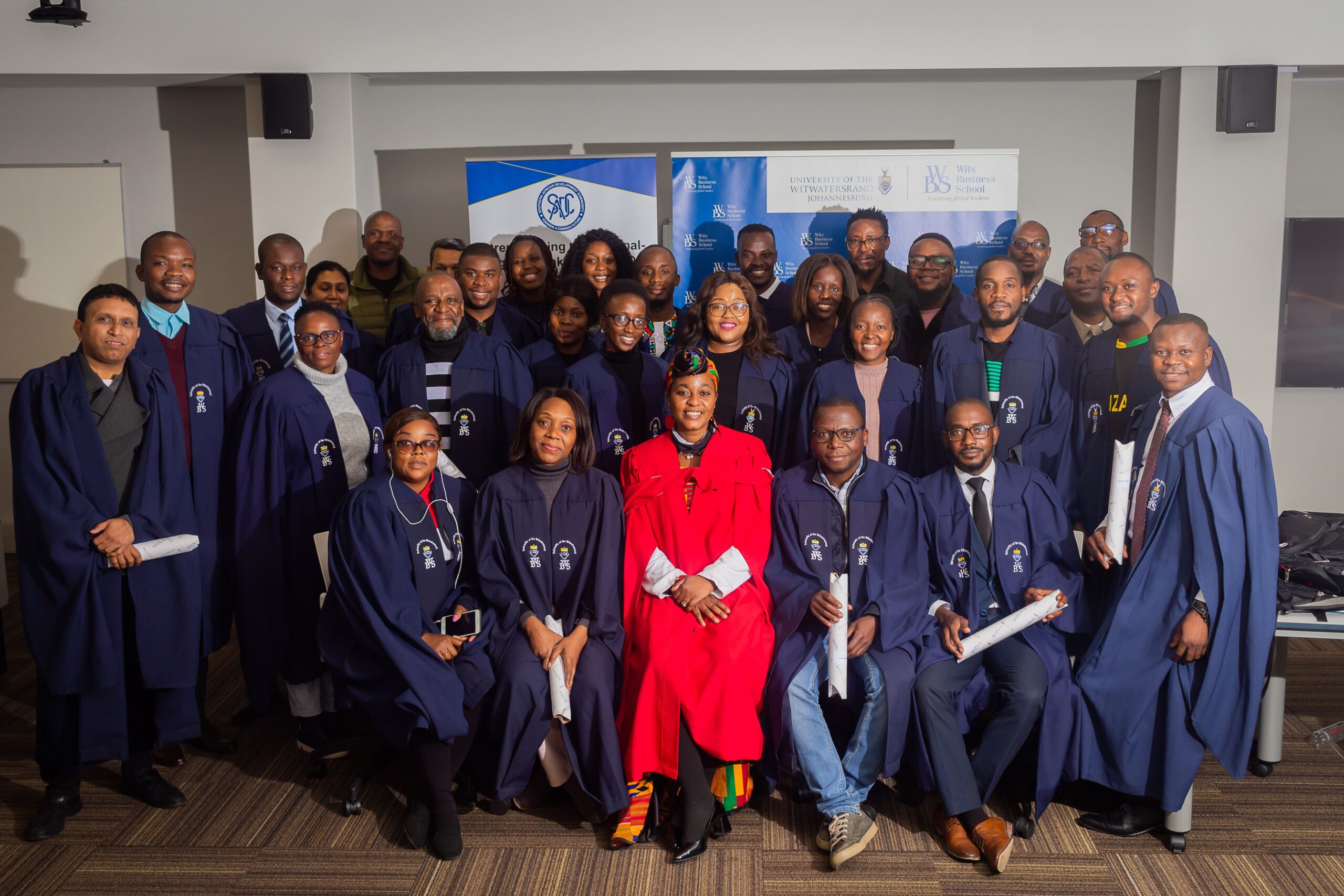
This year started off pregnant with hope and it has turned out well beyond our expectations. On the Academic Programmes front, we welcomed the first cohort of the Post Graduate Diploma in Management in the field of African Philanthropy and Resource Mobilisation, and are happy to report that we now have the first graduates in this programme. The successful delivery of this programme involved the contributions of multiple individuals and institutions that include lecturers, examiners, programme administrators, curriculum developers and reviewers. This programme is now fully accredited as Post Graduate Diploma in African Philanthropy and Resource Mobilisation. This process and outcome would not have been a success without the valuable partnership of the Inyathelo Institute for Advancement.

The year also saw two of our PhD students graduate as newly minted doctors – please join me in congratulating Dr Dennis Osiei and Dr Wycliffe Nduga Ouma. The PhD programme welcomed three new students who are progressing well in their doctoral studies. Several legacy PhD students also went through proposal defence panels successfully and are at the various stages of data collection and write-up. One of the ways that CAPSI provides support to PhD students is through PhD methodology seminars, as well as mobility grants to attend conferences.

Our Master of Management in African Philanthropy programme (coursework and research report) was fully accredited in 2021. This is in addition to the Master of Management in African Philanthropy by Research. The inaugural cohort of this class has successfully completed four of their compulsory modules and are on course in their research projects. The highlight of their progress was that nine of the 11 students successfully defended their proposals at the school postgraduate committee panel and are now embarking on their data collection. We expect these students to successfully complete the remaining elective courses, while also concentrating on their research report writing. The success of this programme so far has relied heavily on the support of our partners, who helped in curriculum development and review, examination as well as reviewing and serving in the research proposal panels. Going forward, the remaining task is to appoint examiners for the research reports for these students to ensure a smooth transition to the examination stage, when they submit their reports.

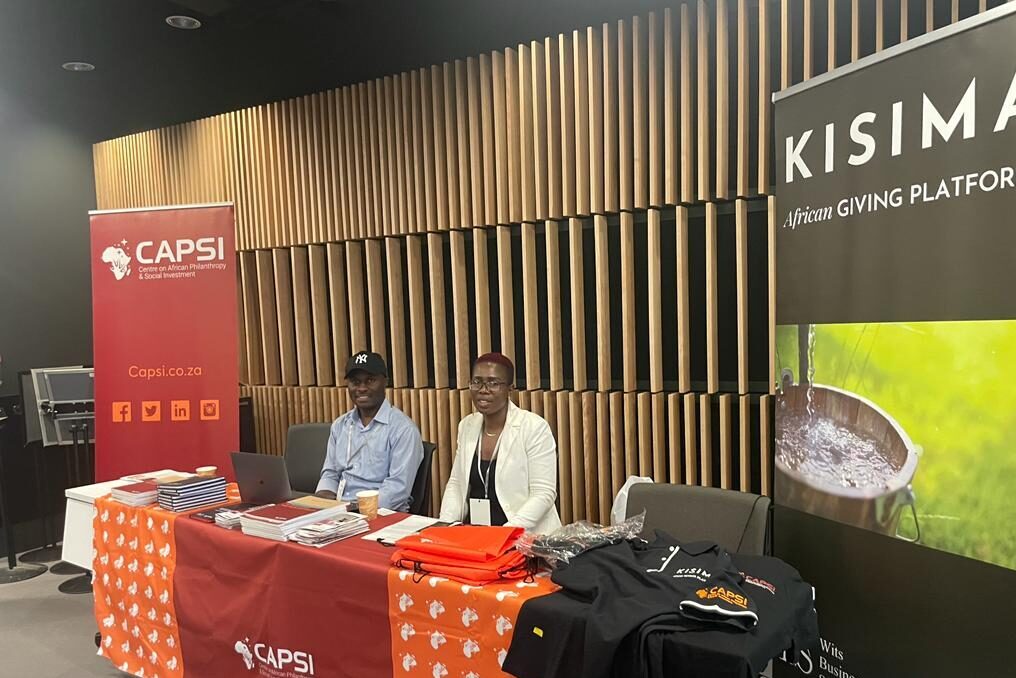
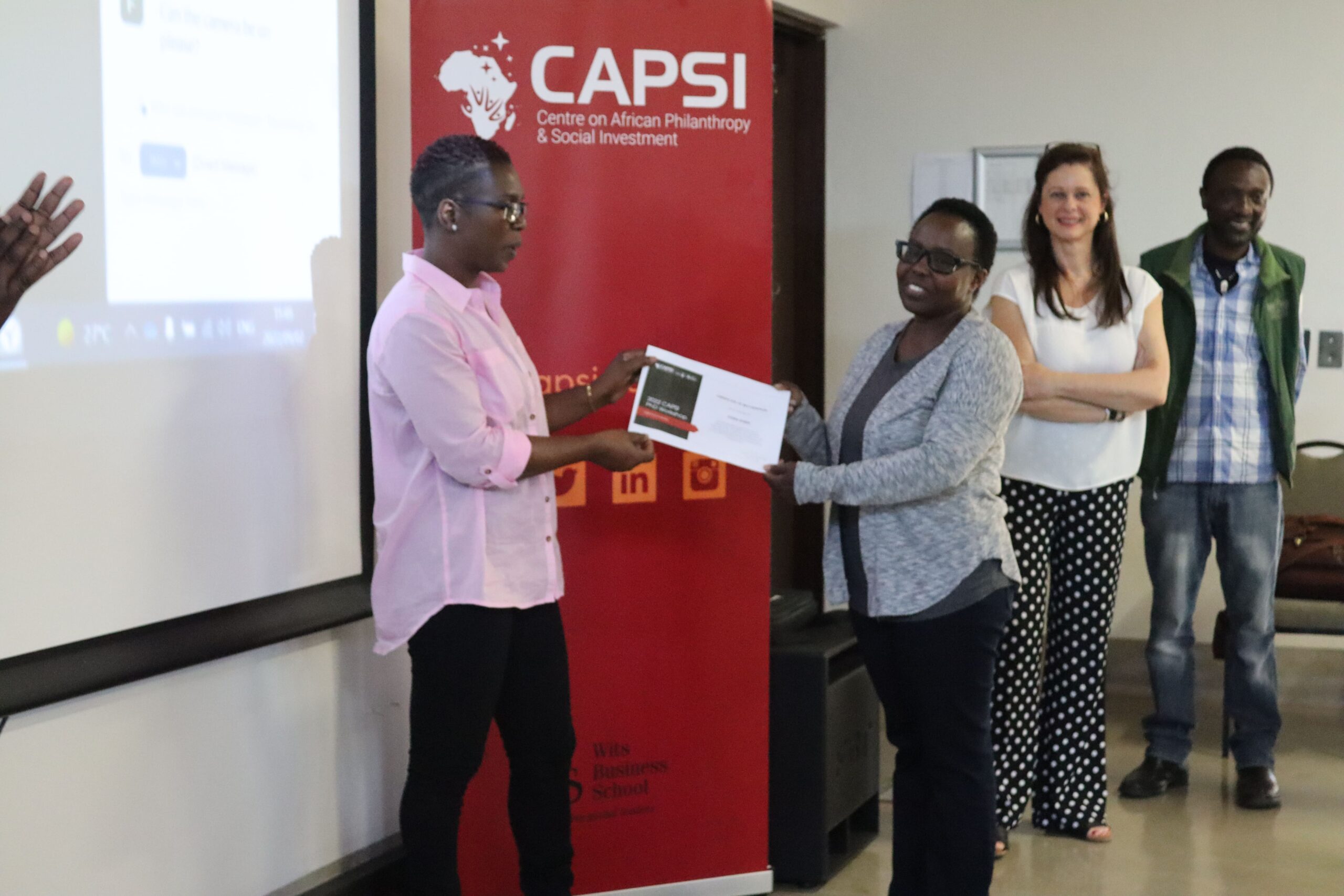
With a view to ensuring that prospective students get relevant information about our programmes, we held multiple information events throughout the year, both formal and informal. We took every opportunity in conferences and other convenings to promote our programmes within this community. These include a session in the final judging of the Aspire Higher Competition, an exhibition table at the ISTR 2022 Conference in Montreal, and a session at the Fundraising certification training in Cape Town. The year also saw three of the CAPSI staff achieve certification in fundraising by The Fundraising School, University of Indiana, USA. This certification enables these three members to teach a similar course locally.

We look forward to updating and strengthening our curriculum, ensuring curriculum alignment and reinforcing programme coherence through a tailor-made workshop with all teaching staff in early 2023. 

Prof. Jacob Mati is the Deputy Director of CAPSI and is responsible for development and implementation of Academic Programmes at the Centre. He has written and published extensively on civil society, volunteerism and philanthropy, and their intersections with development and governance, especially in Africa.

CAPSI and the University of Cambridge’s Centre for Strategic Philanthropy

The Centre for Strategic Philanthropy (CSP) at the University of Cambridge and CAPSI recently announced a landmark collaborative partnership to further understand the impact of philanthropy across African communities, private sector organisations, foundations, and key individuals. The objective of this partnership is to increase the development of joint projects between the two Centres in a deliberate effort to grow theoretical and applied research on philanthropy that meets the standards of academic excellence.

This collaboration will better disseminate research and activities that develop models and tools appropriate to African realities and capitalise on these opportunities to firm the role and impact of various giving mechanisms and institutions.

You are invited to join the upcoming webinar titled “System Change in Philanthropy for Development: A Research Framework for Global Growth Markets”, which is one of the many contact points that will form part of this partnership.

Staff member - Roselyne Cheruiyot

Q&A with Roselyne Cheruiyot

Quote: “Philanthropy can revitalise our communities and our democracy through its transformative potential to address the root causes of problems and have a lasting impact.”

How does your research help develop African philanthropy?

My research focuses on how social enterprises (SEs) and Non-profit organisations (NPOs) can contribute to resilient urban communities through their service delivery. It is undeniable that globally and particularly in the global South, local communities and neighbourhoods are faced with severe problems caused by climate change, migration, and increasing poverty. These challenges have proven to be stubborn and difficult, defying government or business solutions. Most of these SEs and NPOs operate in marginalized segments of society that do not have the means to transform their own social or economic prospects without help. Therefore, it is worthwhile to understand how ecosystem actors like philanthropists are collaborating and supporting these organisations through funding, mentoring, and brokering contacts and networks. More importantly, to seek solutions to the challenges they face as a way of enhancing their growth and sustainability.

What is your vision for African philanthropy in Africa?

African philanthropy has a huge role to play in Africa’s development. To realise its full potential and bring change, my vision for African philanthropy is for it to increase transparency and accountability in dealing with issues of development and sustainability, and more importantly, for African philanthropy to play an active role in informing policy processes at a national level.

What led you to add a philanthropic lens to your research?

Philanthropy can revitalise our communities and our democracy through its transformative potential to address the root causes of problems and have a lasting impact. Currently, the African continent is experiencing an increase in economic growth because of technology and a vibrant growing middle class. Consequently, there has also been a sharp rise in philanthropic giving. Therefore, linking the research on SEs and NPOs’ potential to contribute to resilient urban communities to philanthropy is called for. This is because philanthropists have an incredible opportunity to collaborate with SEs and NPOs and can play a significant role in harnessing their potential to address the core social or environmental challenges facing communities. It can be in terms of funding, non-financial resources, and networking.

Staff member - Melody Mandevere

Q&A with Melody Mandevere

Quote: “Yes, the West has done a lot in Africa, but we need to write our Africa stories, heralding our challenges, opportunities and achievements.”

How does your research help develop African philanthropy?

Many people in Africa have a natural motivation to give, however, there are many factors that affect their giving. They are likely to be demotivated in their efforts if there is mistrust between the giver and the beneficiaries.  Also, people get more motivated to give by external influences when they see how others doing it are impacting the world around them.  Lastly, some people want to give but are not sure of how to reach their intended beneficiaries.  My research will help to communicate information on what is happening around African philanthropy with the hopes of reducing the mistrust surrounding philanthropy and encouraging others to get involved. 

What led you to add a philanthropic lens to your research?

Growing up I was surrounded by “philanthropists”. A community could contribute for the welfare of a family or individual etc. Literature mainly talks about western or external philanthropy.  Yes, the West has done a lot in Africa, but we need to write our Africa stories, heralding our challenges, opportunities, and achievements.

What is your vision for African philanthropy in Africa?

As the African economy is growing, we need to develop a system that will be able to run thriving foundations to help our fellow Africans. A future where states implement policies that support and encourage philanthropy.  Over and above this, we will need to have more grant-making organisations that support smaller organisations that are directly focused on the socio-economic needs of communities.

Staff member - Jacob Mati

Q&A with Jacob Mati, Deputy Director of CAPSI

Tell us about yourself and your career background.

I consider myself a pracademic, having worked both in academia and development practice. I had 15 years of practice work with civil society organisations in various developing countries, before I transitioned into academia 12 years ago at the time of completing my PhD studies. I am also a multi-disciplinary individual with formal training in Public Administration, Economics, Political Science, Sociology and Tertiary Teaching. I have also consulted with the United Nations and other global organisations. My primary research focus has been on the intersections between civil society, volunteerism, social movements and philanthropy and their impact on development and governance.

What is your role at CAPSI?

My arrival at CAPSI has been a long time coming, I have been crossing paths with most of the founding minds of the Centre for the past 15 years. When the Centre was then established in 2018, I was initially appointed as a Research Fellow with one of my research articles published in the Centre’s Journal, The International Review for Philanthropy and Social Investment. In my current role as Deputy Director, I lead the academic portfolio of the Centre and also support the Director with some of the Centre’s work, including fundraising and administration.

What are some of your goals in this current role?

My first priority is to ensure that the roll-out of the Masters programme is done efficiently so that the Centre gains greater recognition within the academic community. I also want to ensure that we have adequate resources to support the delivery of these programmes.

What have you learned or enjoyed in this role so far?

This is probably the only other place where I have felt that myself and my intellectual prowess is prioritised. The work we are doing is aligned to what I have been working on in my research career.

Where do you imagine CAPSI in the future?

I wish to see all our academic offerings excelling and ensuring that our publications are of high quality while delivering the desired impact in the ecosystem within which the Centre operates. We also want to continue to produce graduates who can help the continent and hopefully join us in the field and practice of philanthropy.

Advisory board member - Mohamadou Sy

Advisory Board Member, Mohamadou Sy

Philanthropy, in its simplest form, is the act of using one’s resources for the benefit of others. And while we may now have a more expanded definition of the term which is more institutional in implementation, it is humbling to encounter a reminder of the simple definition through the stories of others.

Advisory board member - Mohamadou Sy

Mohamadou Sy is an author, contributor to the 2014 publication titled “Giving to Help, Helping to Give” and the Founder of Institut Supérieur de Développement Local (ISDL), which is a private education institution based in Senegal that provides higher education programmes in the fields of community development, project management and environmental development to students in French West Africa. Since 2005, ISDL has been building the knowledge and skills of community workers and young people who seek to carve a career path alternative to commerce-related fields.
The seeds for ISDL were sown many years before its inception, in rural North Senegal where Mohamadou grew up in a small but nurturing community. Having a real life understanding of the needs of his community and how education can greatly improve the lives of young people who come from there, he set out towards his ambition of becoming a teacher and returning to the community that influenced his way of life, by building a learning institution that would benefit them. This entrepreneurial ambition became a reality, and like many such ventures, was met with challenges related to growth and sustainability, that have been overcome through the years. Today, ISDL is a respected voice that has increased the appeal of non-commercial studies such as Community Development and Environmental Management among prospective learners.

There are similarities between the stories of ISDL and the Centre on African Philanthropy and Social Investment (CAPSI). When considering CAPSI’s vision and mission, Mohamadou is excited to be part of a pan African institution that brings students, researchers and lecturers together beyond the limitations of language and location. He says, “Being part of the advisory board is a great opportunity for me to make a difference in how CAPSI grows to be truly and inclusively African by reaching Anglophone, Francophone and Lusophone regions.”

In looking to the future, Mohamadou uses the massive strides that CAPSI has made since its inception, as hope for what is possible. “I see CAPSI becoming a leading African platform that facilitates research and dialogue on issues related to resource mobilisation, social development and philanthropy all in a manner which is inclusive of language and location”, he says. In closing, Mohamadou reflects by remarking, “As the saying goes, Rome was not built in one day, and so we must build CAPSI step by step. I’m grateful to everyone who has walked the journey with CAPSI to date for what they are doing as pioneers. I think that in paving the way for the new generations of scholars, we can continue to write our own history and story about philanthropy.”

Advisory board member - Bongiwe Mlangeni

Interview with Advisory Board Member, Bongiwe Mlangeni

Advisory board member - Bongiwe Mlangeni

Transitioning through your career to align with personal values holds very true for Advisory Board member, Bongiwe Mlangeni, who started her career as a journalist covering socio-economic and women’s rights issues. Her journey has seen her play a proactive role in promoting philanthropy in support of human rights and social justice projects across southern Africa. Bongiwe is the current Vice President for Global Health Strategies and immediate outgoing CEO of the Social Justice Initiative, of which she was the founding director.

With a primary interest in social justice in Africa, Bongiwe has always held issues of inequality close to her heart, especially those with damaging outcomes on health, economy, and social wellbeing. Using philanthropy, and collaborating with high-net-worth individuals, she has successfully mobilised funding for many social justice advocacy organisations. “My interest in philanthropy, from the beginning, was about how we can get wealthy Africans more involved in supporting social justice work.” She continues, “We also should explore how can we address the issues of inequality and improve wellbeing so that we build a society that is equitable.”

In relation to her position on the Advisory Board, Bongiwe would like to see a focus on getting affluent South Africans more involved in the pursuit of social justice as a mission that they can participate in and support, as well as growing philanthropy in South Africa in a way that benefits social justice issues, rather than focusing on charity. Looking at the achievements of CAPSI so far, Bongiwe is excited to be part of the Centre as it gathers the evidence of philanthropy within the African continent, shaping the thinking around it. She says, “There is still a lot more to be done in terms of documenting the story of giving, and the story of giving as a form of solidarity and transformation.”

Creating a body of knowledge of African philanthropy will challenge old ways of thinking as society continues to build itself. As a lecturer on CAPSI’s programme, Bongiwe proactively adds her voice to this work and has been an influence on students who have attended her courses. One of the notable nuggets that she regularly challenges students with is the notion that philanthropy is exclusively for the wealthy. She says, “There is more to philanthropy than status and being a billionaire – there are many ways in which it is expressed.” Students are challenged to consider their understanding of philanthropy and also to reflect on how this has manifested itself in their lives. This reflection of the personal association with philanthropy supports part of the work of CAPSI – which is to enable and take ownership of documenting the process of philanthropy and the experiences around it.

Speaking of the journey of CAPSI so far, Bongiwe is proud to be part of the dynamic intellectual space that has created and grown the field of understanding philanthropy within the African context. Looking to the future, she can see that the organisation will produce academics who can provide new knowledge and approaches to philanthropy.

The three fundamentals of CAPSI; namely, to be a dynamic space for engagement, a platform for idea sharing, and a space for influence, are paving the way for a high production of intellectual information from across the continent. People from all fields – students, practitioners, business people, academics, decision- and policymakers – are able to engage, though there is still a need for influencers in the organisation. Her greatest fear for the organisation is unusable or inaccessible research – mothballed information that stays in the dark – it is all about the sharing and engagement.