Author: Ntando Hoza

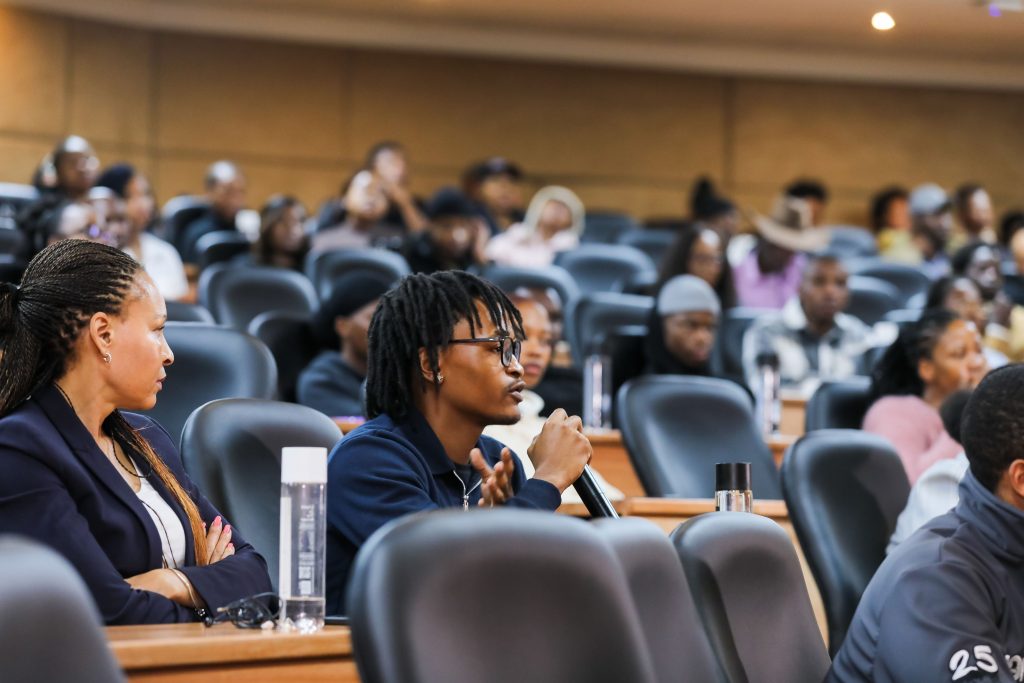
CAPSI’s Africa Day: “Securing Water, Ensuring Sanitation, & Advancing Inclusive & Sustainable Development”

[Africa Day Commemoration Calls Attention to Water Crisis Affecting Millions – IJR]

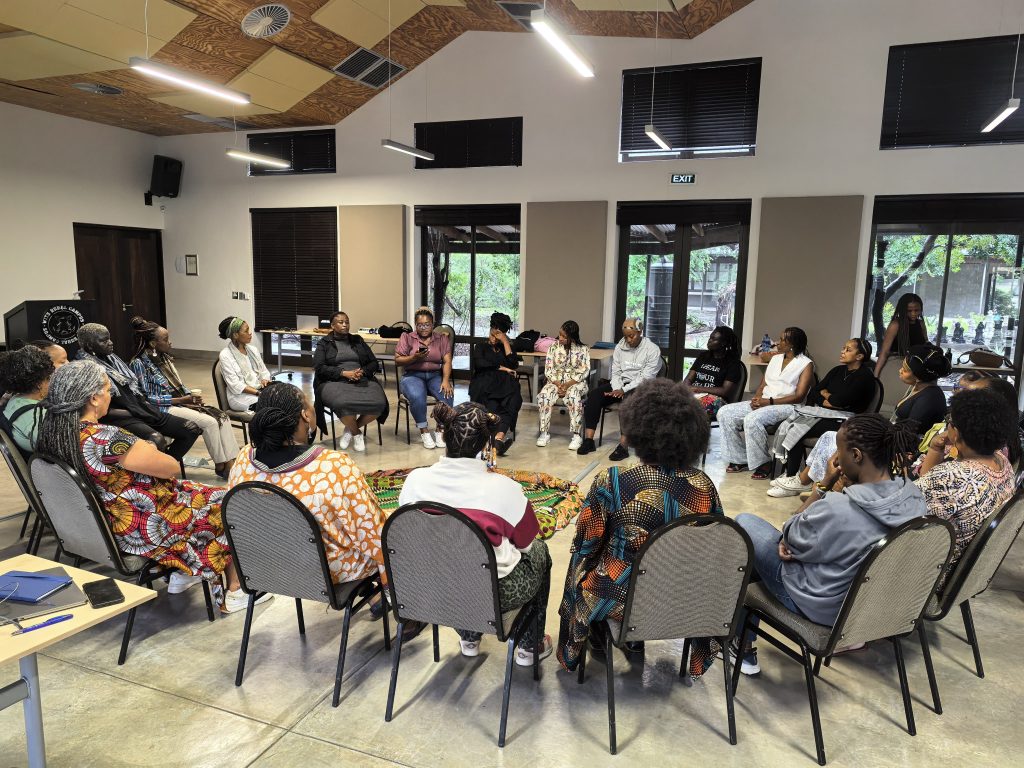
“Water is still a luxury for many people living in Africa, and water insecurity threatens the achievement of key continental and global development targets, including the Sustainable Development Goals,” Dr Elijah Masubelele, Deputy Executive Director of the Institute for Justice and Reconciliation, told participants at an Africa Day commemoration on 26 May.

The Institute for Justice and Reconciliation, together with the Centre on African Philanthropy and Social Investment (CAPSI – Wits Business School), the Mandela Institute for Development Studies and the Southern Africa Youth Forum (SAYoF) convened the Africa Day 2026 commemoration in collaboration with on “Securing Water, Ensuring Sanitation, and Advancing Inclusive and Sustainable Development.”

The commemoration focused on Africa’s progress and persistent gaps in water security and sanitation, while promoting inclusive dialogue involving youth, women, and marginalised communities. Participants also explored African-led innovations and grassroots solutions in water management and sanitation, emphasising the importance of strengthening partnerships across sectors to support sustainable and scalable interventions. Central to the discussions was a reaffirmation of commitment to African Union Agenda 2063 through actionable pathways focused on water and sanitation.

Remarks on the context of the commemoration were delivered by Dr Keratiloe Mogotsi, Associate Dean and Assistant Professor at Chatham University, who set the tone for the discussions on sustainable development and collective responsibility. She advocated for Agenda 2063, stressing that now is accelerate momentum for Africa’s development. Welcome remarks followed from CAPSI Director, Prof Bhekinkosi Moyo, who reflected on the theme for event, pointing out that water security is an important conversation to have with its intersectionality with various spheres.

The programme featured a range of speakers who addressed key themes linked to water governance and inclusive development. Kudakwashe Watetepa, SAYoF, Youth in Agribusiness Expert, spoke on water governance, accountability. He emphasised that Africa stands at a defining moment in its development journey, seeing as 418 million Africans lack safely managed drinking water. He went on to state that, “Water governance is important because 779 million people lack safe sanitation services, while climate shocks are instensifying droughts and floods, and poor water access costs Africa nearly 50% of GDP annually.”

Dr Elijah Masubelele examined the importance of equitable service delivery for marginalised populations. He also highlighted the disproportionate burden that water insecurity places on African women and children. While access to water is a fundamental human right, he noted that water insecurity is often exacerbated by weak municipal governance structures, deteriorating infrastructure, and inadequate accountability mechanisms.

Discussions on youth participation and innovation in the water sector were led by Gracious Nyathi. “As someone passionate about sustainable development and empowering the next generation, I believe that engaging youth is crucial for addressing water related challenges. Young people bring fresh perspectives, creative ideas, and technological expertise that are vital for developing innovative solutions to water issues,” Nyathi said. She went on to state that youth participation ensures that policies are more inclusive, dynamic, and sustainable. She also emphasized that youth led solutions not only accelerates progress but also fosters a sense of ownership and responsibility among young people, making them active stakeholders in shaping a resilient and equitable water future for Africa.

The session was enriched by reflections from discussant Dr Nkosana Moyo, MINDS, Founder and Executive Chair, who emphasised the need for an action-oriented position in commemorating Africa Day, as a time of reflection. He argued for a diagnostic challenge among us, as Africans to reflect on why progress or lack of thereof exists.

The commemoration concluded with a recognition that access to safe water is fundamentally a matter of dignity.

Postgraduate Diploma in Philanthropy and Resource Mobilisation & Master of Management in African Philanthropy Information Session

Professionals working in fundraising, resource mobilisation and advancement often find themselves learning on the job. Across Africa, few people have had the opportunity to receive formal training in these fields, despite the growing need for these competencies within institutions and organisations.

The Centre on African Philanthropy and Social Investment (CAPSI) at Wits Business School is committed to addressing this need through specialised academic programmes designed to develop the knowledge and skills required to build a career in these sectors.

Explore Our Programmes

  • Postgraduate Diploma in Philanthropy and Resource Mobilisation (NQF Level 8)
  • Master of Management in African Philanthropy (NQF Level 9)

If you are interested in building a career in philanthropy, fundraising, resource mobilisation or advancement in Africa, join us for our upcoming online information evening to learn more about these programmes, the application process and the career opportunities they can open up.

The session will also include a live Q&A, providing an opportunity to engage with the team and have your questions answered.

Event Details

Date: Wednesday, 26 August 2026
Time: 17:30–18:30 (SAST)
Platform: Zoom

Register to attend: Please register to confirm your participation. Login details will be provided closer to the date.

Contact

For more information, please contact Sibusiso Ndlovu at sibusiso.ndlovu@wits.ac.za

Reimagining Grassroots Grantmaking in Africa Webinar

Across Africa, grassroots organisations and communities continue to face grant making systems that are often complex, compliance-heavy and disconnected from local realities. 

What would grant making look like if it started instead with community assets, local knowledge, participation and agency?

SGS Consulting, in partnership with the Centre on African Philanthropy and Social Investment (CAPSI) at Wits Business School, invites you to join Reimagining Grassroots Grant making in Africa, a virtual consultation and knowledge exchange on a youth-led, Afrocentric and community-grounded Grassroots Grantmaking Toolkit.

Co-created by young philanthropy practitioners from South Africa, Malawi, Mozambique and Zambia, the toolkit seeks to rethink how resources reach communities, shifting from grantmaking for communities towards grantmaking with communities.

This webinar brings together researchers, philanthropy practitioners, funders, community foundations and development actors to interrogate the emerging approach, share perspectives and help strengthen the toolkit before its finalisation.

We invite you to bring your experience, questions and critical insight to the conversation.

Gift‑giving was practised by early humans in Africa – how it spread and evolved

Gift-giving, the act of presenting someone with a gift is intended to convey thoughtfulness, appreciation, or goodwill. The gift can be a tangible item, experience, personal time or gesture. It’s an age-old tradition found across cultures and societies, carrying various meanings and functions that help shape human relationships.

I’m the university chair in African philanthropy at the Centre on African Philanthropy and Social Investment at Wits Business School in South Africa. The centre is Africa’s first and only place of scholarship, teaching and research in this field. I’ve undertaken various studies looking at where gifting came from as a human behaviour, and its history in Africa.

Gifting began in Africa, when the first humans like us emerged. It then evolved as people migrated and was adapted to fit different cultures. Early examples involved the transfer of cattle or women to seal relationships between groups.

Today, it is exemplified by exchanges of gifts between countries during state visits and has evolved into practices like philanthropy. Giving is something that takes place outside households and celebrations, typically to create or seal relationships. By examining the full history of giving, we’re able to trace its fascinating evolution and the many ways of showing generosity.

Human cognition

Today’s humans originated in Africa, about 200,000 years ago, developing unique mental (cognitive) abilities as part of their evolution. These governed the way humans interact with each other. Giving complemented other survival mechanisms, like instinctive “fight or flight” response.

 Research shows that three types of interactive human socioeconomic behaviours evolved together: selfish, cooperative and selfless. Collectively applied, they enabled groups of hunter gatherers to survive, flourish and grow in numbers. These behaviours appeared in a ratio of about 20% selfish, 63% cooperative, and 13% selfless. This relative ratio endures today.

Gifting is similar to the instinct to cooperate, but it does not necessarily imply that something is expected in return. In other words, giving gifts started as a way of sharing that showed selflessness.

As people migrated around the world, their societies adapted to the conditions they encountered. The mix of selfishness, cooperation and selflessness became woven into diverse cultures.

Emergence of gifting

As humans evolved, more and more complex social relationships developed in bounded territorial spaces. Within Africa, groups become clans, clans become tribes, developing into chieftainships, kingdoms and other types of organised areas.

Here, gifts were important for two reasons.

First, within groups, gifts were structured ways of caring for each other and ensured mutual well-being and growth. Gifts were used to build friendships and connections among equals (horizontal relationships). Gifts also helped create loyalty and respect in relationships with leaders or people in power (vertical relationships). Here, gifts were often equated with an expected “deal”. For example, a gift would earn the support of and protection by those with authority. Or, for example, gifts during ceremonies ensured one’s place within the group.

Second, between separate identity groups, gifts also functioned as a (symbolic) instrument to negotiate and prevent what might otherwise be hostile relationships.

Shift in practices

Islamic expansion in northern Africa and the imposition of rules by European colonisers everywhere altered this landscape. Gifting started to function in different, notable ways.

Islam came into ancient Africa around the seventh century while Christianity spread from what is now Egypt in the first century AD. Each faith recognised an obligation to gift. They introduced new, formalised and institutionalised forms of giving, such as caritas, or Christian charity, and zakat, a Muslim obligation of giving to needy Muslims.

Early in the past millennium, as resistance to colonisation gained traction, gifting practices transformed into a self-defensive strategy. Gifting became one tool to cope and survive under difficult conditions. For example, in east Africa people would exchange food, money and other resources to support both families and the communities they were part of. In Kenya the community practice of harambee (pulling together) sponsored expansion of access to education: an example of horizontal gifting.

End of colonial rule

Colonial rule ended after about 300 years. In the post-colonial era, gifting can be divided into two periods. One can be referred to as “traditional”, dating from about 1960 to 2000. The second, from 2000 onwards, can be called “new age”.

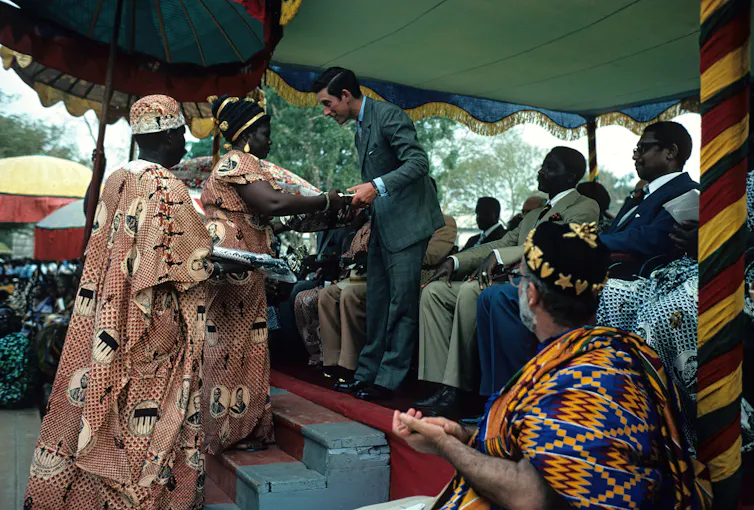
UK’s Prince Charles (future King Charles III) receives a gift from a member of the Ashanti tribe in Kumasi, Ghana. March 22, 1977. John Scott/Princess Diana Museum/Getty Images

The traditional era loosely corresponded to when many African countries gained political independence, calling for a return to traditional values, societal norms and to self-determination.

African leaders inherited borders that forced together diverse ethnic and language groups, each with different relationships to colonial powers that had to be managed. In many ways, this laid the foundation for the prevalence of Africa’s ethnic patronage in politics today.

For about 30 years of independence, many countries were under single-party rule with politicians relying on vertical gift-like handouts extracted from public resources, to manage internal political tensions. Even after multi-party systems were introduced, this practice continued as a form of political dispensation.

Independence allowed many non-governmental organisations (NGOs), or “givers”, to become involved in development. Instead of focusing on people’s rights, aid was often framed as charity. NGOs used professional, one-way donation models. Despite good intentions, this shift has weakened traditional, community-based contributions as local communities became reliant on external gifts.

Alongside NGOs, big private donors and foundations introduced the idea of “philanthropy” to Africa. This popularised a type of giving that can make traditional, smaller-scale generosity feel less important. It potentially discourages those who can’t give as much.

New era of gifting

This millennium has introduced a new age of African giving, driven by three key factors; dissatisfaction with traditional grant methods, a variety of funding sources, and different approaches and ways to measure success.

One force is a fast-moving diversification of gift-givers. Examples include corporate social investment as well as “philanthocapitalism” – large-scale donations or investment by very wealthy individuals or private organisations. They typically use business strategies to tackle social issues.

Another force is innovation in the design of gift-giving practices. For instance, trust-based philanthropy where funders support recipients they trust without requiring strict contracts or periodic detailed reporting until the next tranche is paid. Another innovation is effective altruism, a type of giving that focuses on making rational, evidence-based investments to create measurable solutions for social problems.

Third is promotion of domestic resource mobilisation. This is the application of Africa’s own assets for its development, which includes diaspora remittances.

Looking back, it’s clear that those giving gifts – in whatever form – should take a more reflective and balanced approach to understanding the role of giving role in Africa’s community and society, especially as a political tool. Doing so can help bring greater accountability of leaders to their citizens.

This is an extract of an article first published on: https://theconversation.com/gift-giving-was-practised-by-early-humans-in-africa-how-it-spread-and-evolved-243400

Wits study finds NPOs among SA’s biggest youth employers, but overlooked

Research indicates data gaps obscure NPO impact on youth employment


South Africa may be underestimating the role non-profit organisations play in helping young people enter the labour market, partly because the country lacks reliable data on the sector’s true employment footprint.

That’s one of the key conclusions of new research from the Centre on African Philanthropy and Social Investment (CAPSI) at Wits University, which examined how the non-profit sector contributes to “dignified and fulfilling work” for young people. The study highlights a significant knowledge gap: while non-profits are widely recognised for delivering social services, far less attention has been paid to their role as employers and job creators.

According to Bev Russell, CEO of Social Surveys Africa, about three in 10 people surveyed in the study said they had received work through a non-profit organisation in the past five years. A similar proportion reported benefiting from training, educational support or entrepreneurship programmes linked to the sector.

“What’s particularly important is that non-profits often reach young people who are excluded from the mainstream labour market, especially women, rural youth or other marginalised groups,” Russell said.

However, much of this employment is difficult to track.

Many roles created through non-profits take place through short-term projects, training programmes or transitional placements — activities that are not always captured in formal labour statistics.

A gap in understanding job quality

The research also points to another gap: while many youth programmes measure how many people they reach, far less is known about the quality and sustainability of the work created.

For Russell, the concept of “dignified and fulfilling work” means more than simply placing young people in jobs.

“When we talk about dignified work, we’re referring to earning a reliable income, being treated with respect, having opportunities to develop skills and feeling that your work has purpose and value,” she said.

“It’s not just about getting young people into any job; it’s about helping them build sustainable livelihoods and a sense of future in the economy.”

Temporary pathways to employment

The study suggests that many positions in the non-profit sector are shaped by funding constraints. Most placements identified in the research lasted less than three years, with many lasting under a year — reflecting the project-based funding cycles that many organisations depend on.

While that limits long-term stability, Russell said such roles still serve an important function in helping young people gain work experience, build networks and transition into the broader labour market. “They often provide first work experience, skills and networks that can help young people move into more stable employment,” she said.

A neglected sector in employment policy

Researchers argue that the sector’s contribution is often overlooked in economic and labour policy discussions.

Funding instability remains a major constraint, with many non-profits relying on short-term donor or project funding that makes it difficult to scale programmes or create permanent jobs.

Limited integration with government and the private sector also means successful youth initiatives often remain small.

“The non-profit sector should not be seen only as a service delivery sector,” Russell said.

“It is already helping many young people gain skills, work experience and pathways into the labour market.”

Researchers say that with stronger partnerships, better funding stability and clearer policy recognition, the sector could play a larger role in helping young people access dignified and sustainable work.

This is an extract of an article first published on: https://www.timeslive.co.za/news/south-africa/2026-03-05-listen-wits-study-finds-npos-among-sas-biggest-youth-employers-but-overlooked/

Leveraging diaspora philanthropy to finance social sector development in Africa

Editor’s note: 

This viewpoint is part of Chapter 1 of Foresight Africa 2026, a report on how Africa can navigate the challenges of 2026 and chart a path toward inclusive, resilient, and self-determined growth. Read the full chapter on mobilizing Africa’s resources for development.

Diaspora contributions have extended beyond funding to include knowledge sharing and expertise.

As donor countries cut foreign funding to prioritize domestic interests, sub-Saharan African countries face a projected 16-28% decline in net bilateral overseas development assistance,1 revealing weaknesses in the global aid system and urgency to identify alternative sources of flexible capital for the social sectors. This viewpoint explores the potential for leveraging diaspora philanthropy to help finance development, noting benefits both to the African continent and to the African diaspora itself.

Diaspora philanthropy is a form of diaspora engagement. It involves the transfer of money, goods, knowledge, skills, or other assets for the social benefit of a country or region tied to one’s origin or ancestry, regardless of citizenship. It is important to note that there is a blurred line between diaspora remittances and diaspora philanthropy, particularly in the African context, where “family” extends well beyond the nuclear family.

The potential of diaspora philanthropy depends on supply and demand factors. On the supply side, studies show that the diaspora is motivated to engage. These motivations include expressing care for a community, building or maintaining ties, fostering belonging, or fulfilling a felt obligation.2 On the demand side, diaspora philanthropy is more sustainable than other sources of aid or investment, as it has proven resilient in the face of crisis and economic downturns and as it tends to be passed down to subsequent generations. Moreover, the diaspora typically has a deeper understanding of needs and shared values compared with other foreign sources of capital.3


Research on diaspora philanthropy on the African continent is limited; however, two comparative datasets and a literature review offer helpful insights. The 2023 Global Philanthropy Tracker noted that ODA and private capital investment fluctuated during crisis as remittances grew exponentially and philanthropic flows remained steady.4 It also revealed Africa as the top recipient of cross-border philanthropic support among 15 of 19 donor countries with available data on their recipient regions. The 2025 Global Philanthropy Environment Index, meanwhile, notes rising diaspora philanthropy in Ethiopia, Ghana, Senegal, Uganda, and Zimbabwe, supported by the easing of restrictions on cross-border inflows (Ethiopia), tax benefits or exemptions (Ghana, South Africa, Tanzania), policies focusing on the diaspora (Ghana, Senegal), collective giving platforms (e.g., Ethiopia), and/or digital giving platforms (Zimbabwe).5


Successful strategies for attracting philanthropy

Tools and strategies to channel diaspora philanthropy towards development have proven successful in different parts of the world. The Mexican & Moldovan governments introduced two different matching grant initiatives to attract funds from diaspora communities. Mexico introduced the “3×1 Program for Migrants” in 2002, which attracted funds for infrastructure and development via hometown associations,6 while Moldova’s “PARE 1+1” program, launched in 2010, attracted diaspora funds for business development.7 Another successful tool that helped channel diaspora resources towards development in Israel and India is diaspora bonds. Although efforts in Nigeria and Kenya did not yield the desired results, diaspora bonds proved to be successful in the former two countries. The difference in experience is attributed to Israel and India engaging in trust-building efforts, such as partnering with trusted financial institutions.8 Other popular tools for pooling resources, both financial and non-financial, and channeling them towards development projects are various collective giving platforms set up by intermediary organizations. A handful of examples focusing on Africa include the African Diaspora Innovation Fund, the Ethiopian Diaspora Trust Fund, AfricanGiving.org, and the African Union’s 2019 Continental Forum on the Role of the Diaspora in Higher Education, Research & Innovation in Africa.

As evident from several of the examples shared, diaspora contributions have extended beyond funding to include knowledge sharing and expertise.9 Several African universities successfully mobilized support from the diaspora to strengthen their higher education programs. In Nigeria, diaspora scholars co-designed and taught STEM curricula in collaboration with local universities.10 Similar collaborations exist in Ethiopia, Ghana, Kenya, Nigeria, and Zambia, which are successfully engaging the African academic diaspora.

Remaining roadblocks

Despite progress, there are challenges limiting the potential for diaspora philanthropy in Africa. At the individual level, there is a lack of engagement with the diaspora and a lack of information and guidance about opportunities and trustworthy platforms, which makes giving costly or complex.11 At the institutional level, philanthropy organizations may lack the institutional capacity to successfully identify, understand, and engage diaspora donor segments. At the ecosystem level, a lack of infrastructure of restrictive government policies can make it difficult to realize the potential for diaspora philanthropy. To leverage diaspora philanthropy, coordinated action is necessary to overcome these challenges.

Mechanisms used to attract and channel diaspora funds toward investment may differ depending on the country and region. Designing appropriate policies, programs, and platforms typically requires dialogue and partnership among ecosystem actors, including members of the diaspora. Such dialogues can raise awareness among different segments of the diaspora about opportunities to meaningfully contribute to the development of their homeland. They can also help build understanding about actual costs and hidden costs involved in contributing and identify ways to reduce those costs while building trust through transparency and accountability. Towards this end, the World Bank and United Nations encourage fintech innovations that enhance access and strengthen the transparency of formal channels for diaspora contributions.12


In summary, countries that understand the motivations of their diaspora and develop intentional and responsive strategies and cross-sector collaborations are better positioned to leverage diaspora philanthropy to build a more resilient and sustainable social sector.

This is an extract of an article first published on: https://www.brookings.edu/articles/leveraging-diaspora-philanthropy-to-finance-social-sector-development-in-africa/

Holding Space, Honouring Voice: African Women Writers Gather for the 2026 African Women Writers’ Retreat

The 2026 African Women Writers’ Retreat offered a timely and intentional space for African women to reflect, write, and contribute meaningfully to the decolonisation of African literature and storytelling. Convened at the start of the year, the retreat brought together 29 women writers from South Sudan, Kenya, Botswana, South Africa, Uganda, Morocco, Zimbabwe, Congo Brazzaville, as well as African women from the diaspora, whose diverse lived experiences deeply enriched the collective writing journey.

The retreat built on lessons from previous cohorts, particularly the recognition that writing, especially when rooted in personal, historical, and political realities, can be emotionally demanding. In response, the 2026 retreat integrated specialist emotional and wellness support, ensuring that participants were accompanied not only intellectually, but also emotionally, throughout the process.

Reflecting on this intentional approach, Programme Manager at the Centre on African Philanthropy and Social Investment (CASPI), Thandi Makhubele noted that the retreat was designed to create balance and care alongside productivity.

“By intentionally combining technical writing workshops with wellness practices, reflection, and moments of joy, the retreat offered a balanced and supportive environment. This made it possible for participants to begin the year with rest and ease, while still producing meaningful written work that advances African women’s voices, knowledge production, and literary contribution.”

For many participants, the retreat offered a rare opportunity to slow down, process deeply held emotions, and reconnect with their creative selves. Aluel Atem reflected on the personal impact of the space:

“I didn’t realise how much I had been carrying until this retreat. I had assumed my writing blocks were about busyness and life transitions, but this space gave me permission to slow down and process emotions I hadn’t yet learned to name. I left not only feeling creatively unblocked but also with a renewed sense of wholeness.”

The retreat was also experienced as a profoundly affirming and embodied space of African feminist knowledge-making. Yandiswa Xhakaza kaRadebe described the gathering as one that challenged dominant Western epistemologies and honoured embodied ways of knowing.

“The Black Women Writers’ Retreat was a profound offering  a space to be held, seen, mirrored, and encouraged. I encountered women who understood that knowledge is not only intellectual but embodied. That embodied knowing is knowledge. It was a deep relief to find my people.”

A detailed reflection by Isabella Matambanadzo captured the depth and texture of the retreat experience, highlighting the richness of its intellectual, cultural, and relational dimensions. She reflected on the retreat’s carefully curated tutorials, facilitated by Karabo, whose teaching centred African authorship, historical and contemporary literary traditions, and authorial agency.

Participants engaged deeply with the canon of African writing, revisiting trailblazers such as Flora Nwapa, Ama Ata Aidoo, Sylvia Tamale, Patricia McFadden, Mariama Bâ, and many others, while also exploring contemporary African fiction and non-fiction. These engagements were not only academic but deeply personal, framed as an inheritance of sacred texts and collective memory.

Beyond formal sessions, the retreat created space for reading circles, shared feedback, music, dance, poetry, and storytelling. Evenings were filled with creative exchange, drawing inspiration from African music, textiles, fashion, architecture, and design, affirming Africa’s enduring influence on global culture and imagination.

Wellness and care were woven throughout the retreat. Participants took long walks in the surrounding forests, listened to rainfall and birdsong, shared nourishing meals, and exchanged cultural knowledge  from food traditions to hair practices, recognising these as sites of memory, resistance, and survival.

The retreat also fostered lasting bonds of sisterhood and community. As Matambanadzo reflected, the space offered not only time to write and edit, but also pause, rest, reflection, and joy, elements often denied to African women navigating demanding professional and personal lives.

“Even with the seriousness and diligence of our work, we made room for playfulness. We celebrated birthdays, graduations, new jobs, and growth. We claimed our joy,” read more here.

As the retreat concluded, participants left with renewed creative confidence, deeper connection, and a shared commitment to advancing African women’s storytelling on their own terms. The 2026 African Women Writers’ Retreat affirmed the importance of protecting and nurturing such spaces, spaces where African women can write freely, rest fully, and contribute powerfully to knowledge production across the continent and beyond.


From CAPSI to the Global Academy: Chatham University Associate Dean Dr Keratiloe Mogotsi on Philanthropy, Practice and Purpose

When Dr Keratiloe Mogotsi joined Wits Business School in March 2019, the Centre on African Philanthropy and Social Investment (CAPSI) was still finding its feet. “It was just Prof Bheki Moyo and myself,” she recalls. “CAPSI was a brand-new centre, and it was incredibly exciting to be part of something that was being built from the ground up.”

Coming from a corporate background in business analysis and project management, Dr Mogotsi did not initially see herself specialising in African philanthropy. But exposure changed everything. From her first days at CAPSI, she worked closely with non-profit organisations across the continent and encountered leaders whose passion and commitment left a lasting impression.

“I was blown away by the advocacy and the work that organisations were doing across Africa,” she says. “I realised very quickly that this was my lane.”

That realisation prompted a major shift. While already registered for a PhD elsewhere, she transferred to Wits Business School and reoriented her research towards African philanthropy. “I liked it so much that I changed my PhD topic,” she explains. “I never looked back.”

Dr Mogotsi’s academic journey was profoundly shaped by events unfolding across the continent. Just months after she joined CAPSI, Cyclone Idai struck Southern Africa, devastating communities in Mozambique, Zimbabwe and Malawi. The scale of loss and the urgency of the response deeply affected her.

“Disaster preparedness was almost non-existent,” she reflects. “Infrastructure took far too long to recover, and it really bothered me.”

Drawing on her business background, she began asking how principles used in the corporate sector—such as lean thinking and continuous improvement—could be applied to disaster response. That question became the foundation of her PhD research, combining business methods with humanitarian and philanthropic practice.

“This topic was born directly out of what I was seeing and experiencing at CAPSI,” she says. “It was about responding to real problems, not abstract ones.”

Her work exemplifies what she calls being a “pracademic”—someone who bridges theory and practice. “What’s the point of publishing research that just sits in journals?” she asks. “It needs to be shared back with practitioners and applied in the real world.”

This approach led her to engage directly with non-profit leaders through workshops and dialogues, including convenings with organisations such as the Southern Africa Trust. “Bringing practitioners into the research process is where impact really happens,” she notes.

Among her research interests—venture philanthropy, sustainable development and philanthro-capitalism—it is venture philanthropy that currently excites her most.

“In 2025 and 2026, relying solely on donor funding is very risky,” she says. “The funding landscape keeps shifting. Organisations need sustainable revenue-generating ventures if they want to survive and thrive.”

This conviction led to the development of a venture philanthropy masterclass through Wits Business School Executive Education. Her work in this area encourages African non-profit leaders to combine passion and advocacy with business thinking and financial sustainability.

Her perspective is informed by experience across sectors. Before entering academia, Dr Mogotsi worked in corporate and government environments, including roles at Eskom, Dimension Data and Nielsen. She believes this cross-sector exposure gives her a unique and practical lens.

“I’ve worked in business, government and the non-profit space,” she explains. “It allows me to offer holistic, realistic recommendations that actually make sense to the people affected.”

Dr Mogotsi describes herself as “The Key Kindler,” a phrase rooted in her belief in lighting the spark in others. “To kindle is to light something,” she says. “I want to spread light, warmth and fire wherever I go.”

In practice, this means prioritising experiential learning. She regularly brings practitioners into the classroom or takes students into real-world settings. “People may forget what you said,” she reflects, quoting Maya Angelou, “but they won’t forget how you made them feel.”

For her, learning must be felt, not just taught.

Her advice to young Africans pursuing research or careers in philanthropy is equally grounded: “Do research that matters to you. Don’t do it because others are doing it. You need to care deeply about what you’re researching, because it’s a long and difficult journey.”

Now based in the United States, where she continues her academic work as an Associate Dean and Assistant Professor at the School of Business and Enterprise, Chatham University. Dr Mogotsi remains reflective about purpose and presence. She draws inspiration from the stoic principle memento mori—remember that life is finite.

“It reminds me to make the most of every day,” she says. “When I’m teaching, I’m fully present. When I’m with my family, I’m there. When I’m researching, I give it my all.”

Her definition of success has evolved. “Success for me is enjoying the process and giving my best,” she explains. “Whether it’s writing a paper, teaching a class, cooking a meal, or spending time with my daughter—if I show up fully, that is success.”

Reflecting on her journey, Dr Mogotsi offers a powerful message to current Wits and CAPSI students: embrace your uniqueness.

“No two snowflakes are the same, and no two fingerprints are the same,” she says. “We all have something different to offer. Don’t waste your abilities trying to mimic someone else,” says Dr Mogotsi. “Find yourself. Find what you are passionate about. That’s where you’ll thrive—whether in research, practice, or both.”

From helping build CAPSI in its earliest days to shaping global conversations on philanthropy and sustainability, Dr Keratiloe Mogotsi’s journey stands as a testament to purpose-driven scholarship—rooted in Africa, responsive to the world, and committed to impact.

CAPSI Doctoral Fellows and Country Research Partners Reflect on Research, Growth and Collaboration in 2025

Throughout 2025, doctoral fellows and country research partners affiliated with the Centre on African Philanthropy and Social Investment (CAPSI) at the University of the Witwatersrand marked important milestones in their academic and professional journeys. Their reflections reveal a year shaped by intellectual growth, collaborative research, fieldwork across the continent, and the strengthening of scholarly communities focused on youth employment, philanthropy and social investment in Africa.

Finding Confidence, Community and Scholarly Direction

Palesa Mofokeng, PhD Fellow


“2025 marked a transformative phase in my doctoral journey. Successfully defending my research proposal affirmed the academic direction of my study and strengthened my confidence as a developing scholar. Receiving conditional ethics clearance further signalled meaningful progress, allowing me to refine the methodological and ethical dimensions of my work with the continued support of my supervisors.

“My academic horizons expanded significantly through participation in scholarly spaces. Attending an international conference in Cairo exposed me to diverse research perspectives and valuable networking opportunities within a global academic community. Presenting at the Wits Annual Postgraduate Symposium deepened my engagement with critical dialogue and constructive feedback.

“The PhD writing and methodology retreat hosted by CAPSI in Mpumalanga, together with faculty-level writing retreats, played a crucial role in sharpening my academic writing and sustaining momentum. These spaces reminded me of the value of scholarly community, particularly given how isolating the PhD journey can be. Being part of the inaugural PhD cohort at the Wits Doctoral Academy has also been a source of motivation and resilience. Despite academic and personal challenges, this year laid a strong foundation for the next stages of my PhD.”

Strengthening Stakeholder Engagement in Zambia

Nalukui Milapo, Zambia Lead Researcher


“In Zambia, the CAPSI study on the contributions of the non-profit sector to dignified and fulfilling work for young people began in December 2023 following a collaborative agreement between Wits University and the University of Zambia. In 2025, our focus shifted towards deepening stakeholder engagement and implementing fieldwork.

“I participated in early methodology and stakeholder workshops in South Africa, Kenya and Mombasa, alongside senior government officials. These engagements helped strengthen relationships between academia, government and the non-profit sector, making subsequent local stakeholder meetings and project activities much smoother.

“From the beginning of 2025, our team prioritised buy-in beyond government institutions by engaging youth-focused non-profit organisations. A stakeholder workshop held in March 2025 provided valuable insights that informed our quantitative data collection, conducted across five provinces between May and August. The strong foundation built through early engagement proved critical in navigating challenges and advancing towards data analysis and reporting.”

Coordinating Large-Scale Research in Nigeria

Paul Appiah-Konadu, Country Lead – Nigeria


“2025 was a defining year for the CAPSI–Mastercard project in Nigeria. We began by recruiting enumerators across the six geopolitical zones, ensuring strong gender representation. Comprehensive virtual and in-person training strengthened our team’s understanding of the survey instruments, ethics and data quality standards.

“The data collection phase, conducted between July and September, was intensive but highly rewarding. Weekly reporting sessions allowed us to reflect on challenges in real time and adapt accordingly. As a result, we exceeded expectations, recording a 101% response rate for the NPO survey and 118% for the youth survey.

“Beyond data collection, we completed data cleaning and analysis and began drafting the country report. Participating in regional workshops with other country teams strengthened learning and collaboration, positioning the project well for its next phase.”

Consolidating Research in Mozambique

Carlos Fernandes, Country Partner – Mozambique


“In 2025, the Mozambique component of the regional study entered a consolidation phase. Fieldwork was intensified in Maputo City and Maputo Province, areas selected for their high concentration of non-profit organisations.

“Our youth survey exceeded its original target, reaching 1,002 respondents by September 2025. While engagement with NPOs proved more challenging due to institutional barriers, structured supervision, ethics training and continuous monitoring supported steady progress.

“A key milestone was the national stakeholder engagement meeting held in Maputo in April 2025, which strengthened visibility and national ownership of the study. By the final quarter of the year, fieldwork was completed, data analysis was underway, and drafting of the country report had begun.”

Building Academic Confidence Through Continental Exchange

BI TIE Roland Tizie, PhD Fellow (Côte d’Ivoire)


“2025 was marked by challenging and enriching academic activities, including seminars, writing workshops in South Africa, and the Sixth African Philanthropy Conference in Egypt. Presenting my research to a large audience for the first time pushed me beyond my comfort zone and helped me overcome fear and stress. Visiting the pyramids in Cairo was also a deeply memorable experience. This year strengthened my research skills, particularly in data collection, and expanded my academic confidence.”

Expanding Research Networks and Methodological Rigor

Addis Bekele Simie, PhD Fellow (Ethiopia)


“2025 was a critical period in advancing my PhD research in Development Studies, with a focus on rural development. I spent significant time refining my research proposal through literature reviews and close engagement with supervisors and peers.

“As a CAPSI Fellow, participating in international and regional forums, including conferences and PhD retreats, enriched my understanding of contemporary academic debates and strengthened my research design. These spaces provided invaluable opportunities to exchange ideas and build collaborative networks. I am deeply grateful to the CAPSI team for fostering such supportive and intellectually stimulating environments.”

Learning Through Dialogue and Field Engagement

Adaorah Iloanya, PhD Fellow (Nigeria)


“Being part of the CAPSI Youth Project in 2025 has been a significant learning opportunity. The CAPSI PhD Seminar Series provided a space to present my research and receive constructive feedback, helping me sharpen my presentation and critical engagement skills.

“I also participated in conference preparation workshops that enabled me to develop abstracts accepted at international conferences. Beginning fieldwork through key-informant interviews has been eye-opening, allowing me to engage directly with the realities of youth employment beyond the literature. Overall, the fellowship year brought clarity, growth and renewed commitment to my research journey.”

Finding Rhythm and Resilience

Emmanuel Okello, PhD Fellow (Uganda)


“When I reflect on 2025, what stands out is the quiet but meaningful growth. Writing retreats, seminars and webinars became anchors that allowed me to step back, reflect and reconnect with my research. While balancing multiple responsibilities was challenging at times, I learned the importance of slowing down and showing up again each day. This year helped me find my rhythm, grow in confidence, and appreciate the supportive academic community around me.”

Excellence on Display as Wits Great Hall Confers Degrees at the December 2025 Graduations

The University of the Witwatersrand’s Great Hall was a scene of pride and accomplishment this December as the Centre on African Philanthropy and Social Investment (CAPSI) celebrated a distinguished group of graduates whose work promises to reshape the field of African philanthropy and social investment. From 10 to 12 December 2025, Wits conferred degrees on doctoral and Master of Management students whose research and leadership reflect CAPSI’s growing influence across the continent.

Among this year’s PhD cohort was Dr Lloyd Tawanda Derengi, whose research examined how corporate social responsibility (CSR) can reduce socioeconomic, environmental, and reputational risks in South Africa’s retail sector. Drawing on work conducted across Gauteng, KwaZulu-Natal and the Western Cape, his findings highlight CSR as a strategic tool that strengthens stakeholder relationships, enhances employee well-being, and supports sustainable business performance.

Dr Hanna Atieno Ondiek’s research explored how women social entrepreneurs in Nairobi advance economic and social empowerment. Guided by empowerment theory, the capability approach and African feminist lenses, her study demonstrates how innovation, collective networks and negotiated agency open new pathways to autonomy, participation and opportunity for urban Kenyan women.

In Ghana, Dr Shaibu Salifu examined philanthropy’s role in advancing women’s economic empowerment through three empirical essays. His work analysed how corporate foundations drive women’s financial inclusion, how philanthropic initiatives influence labour participation, and how Ubuntu-inspired giving shapes inclusive development. His research offers practical insights for strengthening gender-responsive philanthropic practice in African contexts.

Dr Emmanuel Marfo, whose doctoral work focused on Faith-Based Philanthropy, reflected on a transformative academic journey that deepened both his scholarly and practical commitment to Africa’s development. “My PhD experience strengthened my capacity in critical analysis, strategic thinking, stakeholder engagement, and evidence-based decision-making,” he shared. “Through my research, I saw how faith institutions—often the closest and most trusted in communities—are using strategic investments to advance jobs, education, agriculture and social welfare. This PhD has empowered me to contribute meaningfully to building stronger and more accountable philanthropic ecosystems across Africa.”

The Master of Management in African Philanthropy programme also celebrated its 2025 graduates: Pauline Wanja Kamau, Juliet Bvekwa, Lerato Mashianoke and Fortunate Nyemba. The programme, the first of its kind on the continent, continues to prepare professionals for leadership across philanthropy, development and social investment.

Graduate Lerato Mashianoke, who completed her degree with distinction, expressed deep appreciation for her academic journey.

“I’m super grateful to CAPSI for being my academic home. I think I’m one of the few people who actually practice what they study. I’m currently a Programme Manager, where I lead the work for Africa and the Middle East. Through the work that I’ve learnt at CAPSI, I’ve been able to improve and transform my grant-making and to strengthen feminist practice within the philanthropy space. Part of my research also helps those who want to advance feminist philanthropy in their institutions. As I grow my PhD, it will focus on providing examples of African feminist funds that have provided feminist financial support to women in their communities.”

The December 2025 graduation season marks a significant moment for CAPSI and for the advancement of African-led philanthropy scholarship. The research produced by this year’s graduates contributes new knowledge on women’s empowerment, CSR, social entrepreneurship, faith-based giving, philanthropy’s role in driving access to labour markets, and community-driven development. Their work reflects the values that have guided CAPSI for nearly a decade: rigorous research, grounded African knowledge, and a commitment to strengthening the continent’s philanthropic and social investment landscape.

As the curtains close on the 2025 graduation season, CAPSI celebrates the achievements, resilience and promise of its graduates. Their scholarship and leadership will continue to shape communities, institutions and policy across Africa. Wits Business School and CAPSI extend their warmest congratulations to each graduate — and look forward to the impact they will make in the years ahead.

“Congratulations to all our December 2025 graduates. Your journey of influence, contribution, and shaping of African philanthropy has only just begun,” says, Professor Jacob Mati, who is the Deputy Director at CAPSI.

Women in African Philanthropy: The Everyday Power Shaping the Continent

In an illuminating episode of the 6th African Philanthropy Conference podcast series, Professor Bhekinkosi Moyo reflects on one of the most overlooked yet powerful forces in Africa’s development story: women in philanthropy. Drawing from lived realities, historical practices, and research insights, he paints a picture of women as the true anchor of philanthropic life across the continent. “When we talk about philanthropy in Africa, we must recognise that women are the backbone of giving — they are the ones who hold families, communities, and entire informal systems together, even when no one is watching,” he explains.


Moyo stresses that African philanthropy has never been only about money. Rather, it is about solidarity, care, responsibility, and collective survival — domains where women naturally lead. “If you really want to understand philanthropy in Africa, start with the everyday — with the ways women share food, raise other people’s children, organise community responses, or even just hold families together in difficult moments. That is philanthropy,” he says.


Women as the Foundation of Africa’s Giving Architecture


Throughout the episode, Moyo emphasises the sheer breadth of women’s contributions:

  • They organise stokvels and saving schemes.
  • They drive social capital and community trust.
  • They step into leadership during crises.
  • They support the most vulnerable without expecting recognition.

He notes that women engage in philanthropy instinctively — because African life is communal and interdependent:


“Women give without needing to be asked. Their giving is consistent, generational, and deeply tied to community wellbeing. They mobilise time, skills, relationships, and emotional labour — which are more valuable than money.” Yet, despite this central role, women remain largely invisible in philanthropic research, funding, and recognition.


Why Women Must Be Recognised

The Director at CAPSI, Moyo, argues that the philanthropic ecosystem is incomplete without acknowledging women’s roles. Not doing so distorts the picture of how African societies function: “If the data does not count what women do, then the data is wrong. Women are the real infrastructure of care. Any definition of philanthropy that excludes them is incomplete.”


He adds that women’s contributions are essential for social justice, community resilience, and Africa’s development agenda:

“Women’s philanthropy is an engine for empowerment — not just for families but for whole communities.”


Connecting to Adɔyɛ: A Space Created for This Purpose

The themes raised in this dialogue closely align with Adɔyɛ, the Women in African Philanthropy Programme under CAPSI.


Adɔyɛ recognises what the podcast highlights:

  • That women’s giving is diverse, historic, and structurally significant
  • That their contributions exceed monetary value
  • That African philanthropy must be defined by African women’s lived realities
  • That solidarity, care, and community agency must be centred

Its core values — dignity, respect, care, diversity, and collaboration — directly mirror Moyo’s call for African philanthropy to centre women’s voices, leadership, and experiences.


The initiative also aims to:

  • Build knowledge about women’s roles
  • Foster networks and partnerships
  • Advocate for more inclusive philanthropic practices
  • Influence policy
  • Strengthen the field through research, mentorship, and convening

Moyo’s reflections reinforce why such a programme is not only relevant but necessary.


A Call to Recognise and Join the Movement

As the episode makes it clear, African philanthropy cannot move forward without fully acknowledging the contributions of women.


“We cannot continue to overlook the people who have sustained our communities the longest. Women are not peripheral — they are central.”


For those committed to strengthening this work, Adɔyɛ offers a pan-African home:

Join the Adɔyɛ Women in African Philanthropy Network:
https://www.capsi.wits.ac.za/women-in-african-philanthropy-registration/


Watch the Full Conversation

To hear Prof. Bheki Moyo’s full insights, reflections, and exact words, watch the complete episode here:

Prof Bheki Moyo | Ep. 143 | 6APC Series #14 – African Grantmaking Network | Women in Philanthropy
https://youtu.be/Gl-MN1XkIr4?si=M8-YOn3aDWQQjXoR

AI for Transformation, Not Just Technology: Wits Lecture Calls for African-Led Innovation

The Centre on African Philanthropy and Social Investment (CAPSI) at Wits Business School (WBS) hosted a high-profile public lecture on 3 November 2025, led by Professor Arthur Mutambara, Director at the University of Johannesburg’s Institute for the Future of Knowledge, to explore how Artificial Intelligence (AI) can drive meaningful socio-economic development and accelerate progress toward the United Nations Sustainable Development Goals (SDGs).

Setting the tone for the discussion, Professor Maurice Radebe, Head and Director of WBS, stressed the need for action over aspiration:

“The question before us is how we deploy AI to deliver the SDGs in real and measurable ways. We cannot wait. We must accelerate transformation as the deadline of 2030 is fast approaching. We must also ask how and whether AI can be a force for sustainable development, rather than one that deepens existing inequalities or creates new risks.”

During his keynote, Professor Mutambara challenged the audience to rethink development goals:

“Sustainable development cannot be an end in itself. It must deliver socio-economic transformation. The issue is not whether AI is powerful — it is how we use technology to solve the problems affecting our people.”

Taking SDG 7 — Affordable and Clean Energy — as a key example, he demonstrated how AI can optimise energy systems, strengthen resilience, and expand access — provided Africa enters the conversation as a producer of solutions, rather than a passive adopter of technologies built elsewhere.

The message resonated strongly among attendees. Dr Yan Yang, Manager: International Projects (Asia and Oceania) at Wits University, reflected:

“Africa cannot sit back and observe what other regions do with AI. We must actively shape it — universities, industry, and individuals working together to participate, influence, and benefit.”

The ideas continued to spark reflection beyond the lecture hall. Makungu Mabasa, a Wits student who attended, later shared her reflections publicly on LinkedIn, noting how the lecture clarified global competition in AI leadership and the growing geopolitical significance of companies like NVIDIA. She highlighted the call for African countries to engage AI strategically in agriculture, education, infrastructure, and governance to meet development needs. Read more here. https://www.linkedin.com/posts/makungu-mabasa-3802b4245_artificialintelligence-ai-sdgs-activity-7391799296200794112-aURV?utm_source=share&utm_medium=member_desktop&rcm=ACoAADHcjgMBEGR6ptrdDYs_xBSZ6Lx7hNHet3s

The lecture closed with a moderated Q&A and dialogue among scholars, practitioners, and students, underscoring the critical role of African universities in shaping the continent’s technological future.

Across the voices in the room and online, one shared understanding emerged: Africa cannot afford to be a spectator in the age of AI. The responsibility to shape our technological future belongs to us — and the work begins now. Watch the full lecture here: https://www.youtube.com/live/e_dfFdmkquw?si=KuB7Vbx4J4hOnRCd